



Small businesses don’t need massive budgets to compete, they need smarter strategies.
The right keywords put your business in front of the right people, drive consistent traffic, and turn visitors into loyal customers. Here are practical tips to find keywords that actually deliver for a small business.
1. Know Your Audience and Their Search Intent
Think about why people search: are they looking for information, trying to navigate somewhere, or ready to buy? There are four types of intent: informational, transactional, commercial, and navigational.
Build audience personas and segment your customers so you can align keywords with their habits and needs.
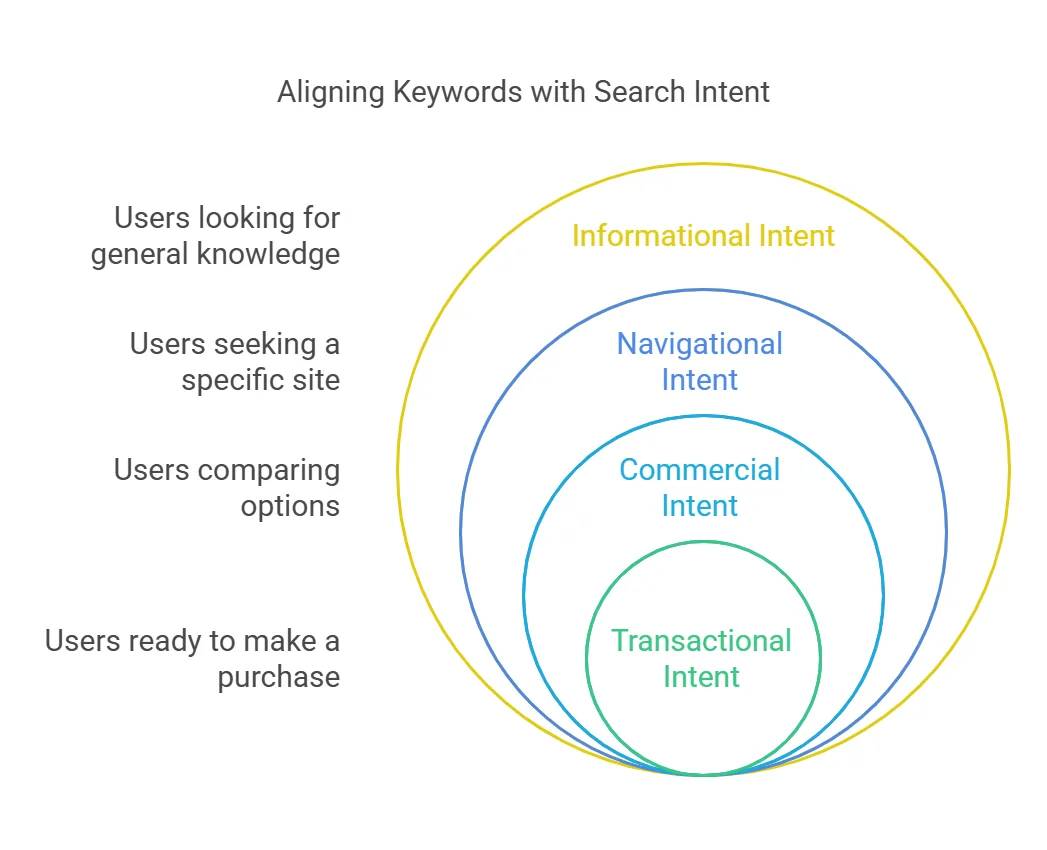
For a car wash business, that might look like:
↳ Informational: “how to wash a car at home”
↳ Transactional: “car wash services near me”
↳ Commercial: “best car wash services in [City]”
↳ Navigational: “visit Joe’s Car Wash website”
Align your keywords with intent, and you’ll attract visitors more likely to actually act. It also helps to match keywords to each stage of the buyer’s journey, so your content resonates with potential customers at the right moment.
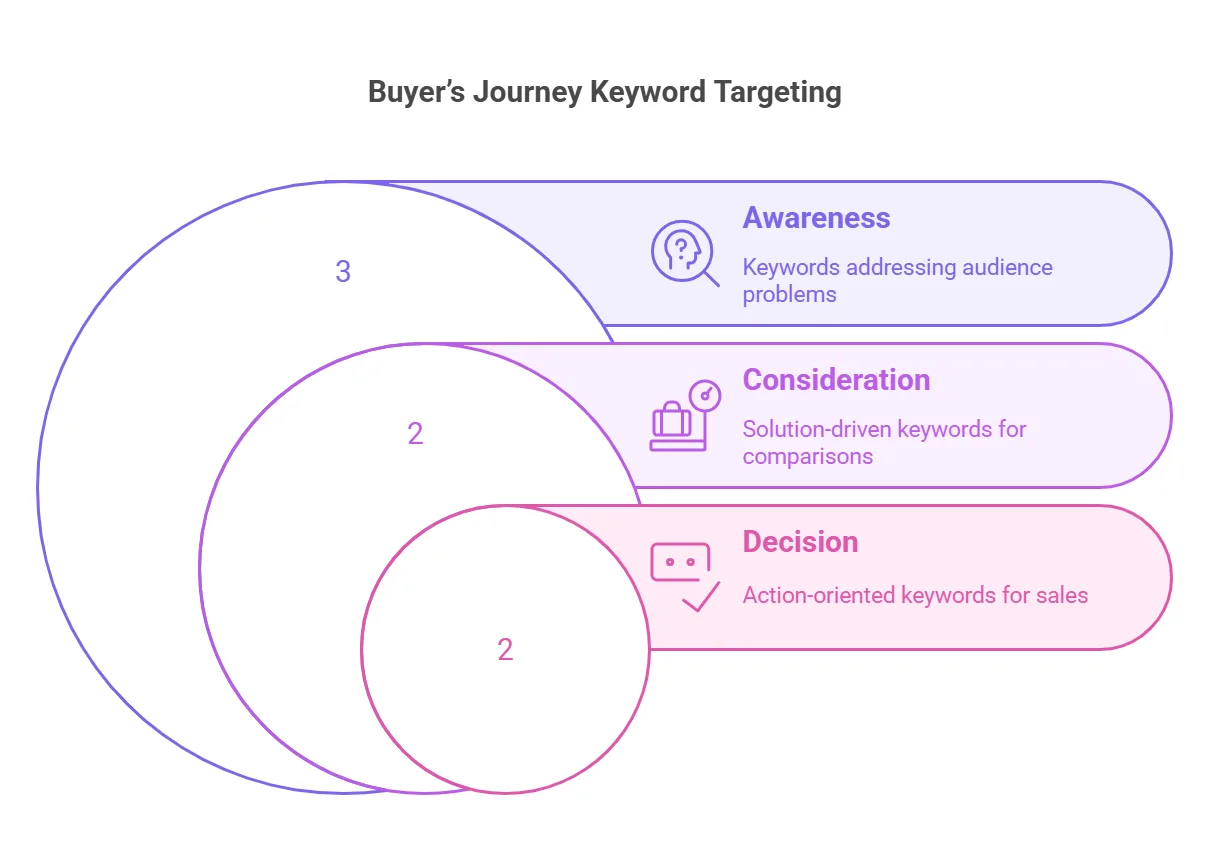
↳ Awareness stage: address problems or questions, like “why is car paint dull after washing” or “how to choose a car wash service.” These pull in people just starting their journey.
↳ Consideration stage: focus on solution-driven terms like “best eco-friendly car washes near me” or “professional vs. DIY car washing,” aimed at people comparing options.
↳ Decision stage: target action-oriented terms like “book a premium car wash in [City]” or “car wash packages and deals,” which push users toward the final step.
Tailor keywords to each phase and you guide customers along their journey, turning more casual visitors into returning customers.
2. Start With Broad Topics and Narrow Down
The right approach is to start broad, then work toward specific related topics. For a car wash, that might start at “car wash services” before narrowing to long-tail terms like “eco-friendly car wash near me” or “best car wash for SUVs.”
I use Semrush’s Keyword Magic Tool for this. Enter a seed keyword (any term describing your business broadly) and hit Search.
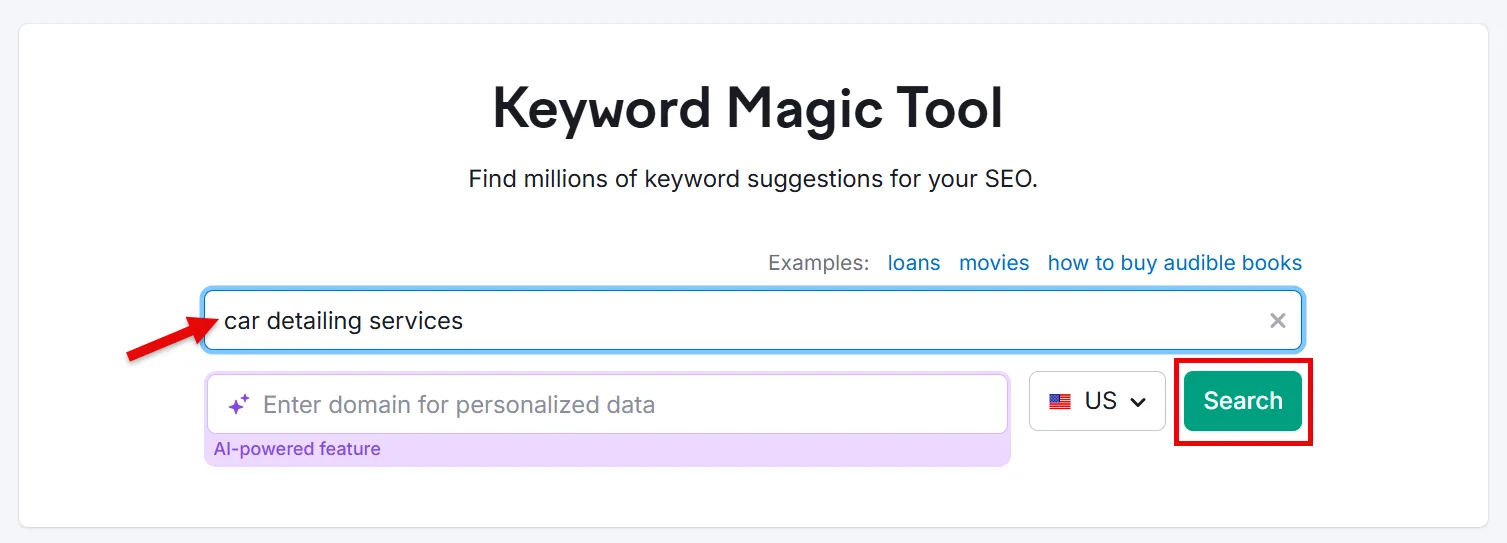
You’ll get a list of related keywords with metrics attached. Use the filters to zero in on the most relevant, lucrative ideas.
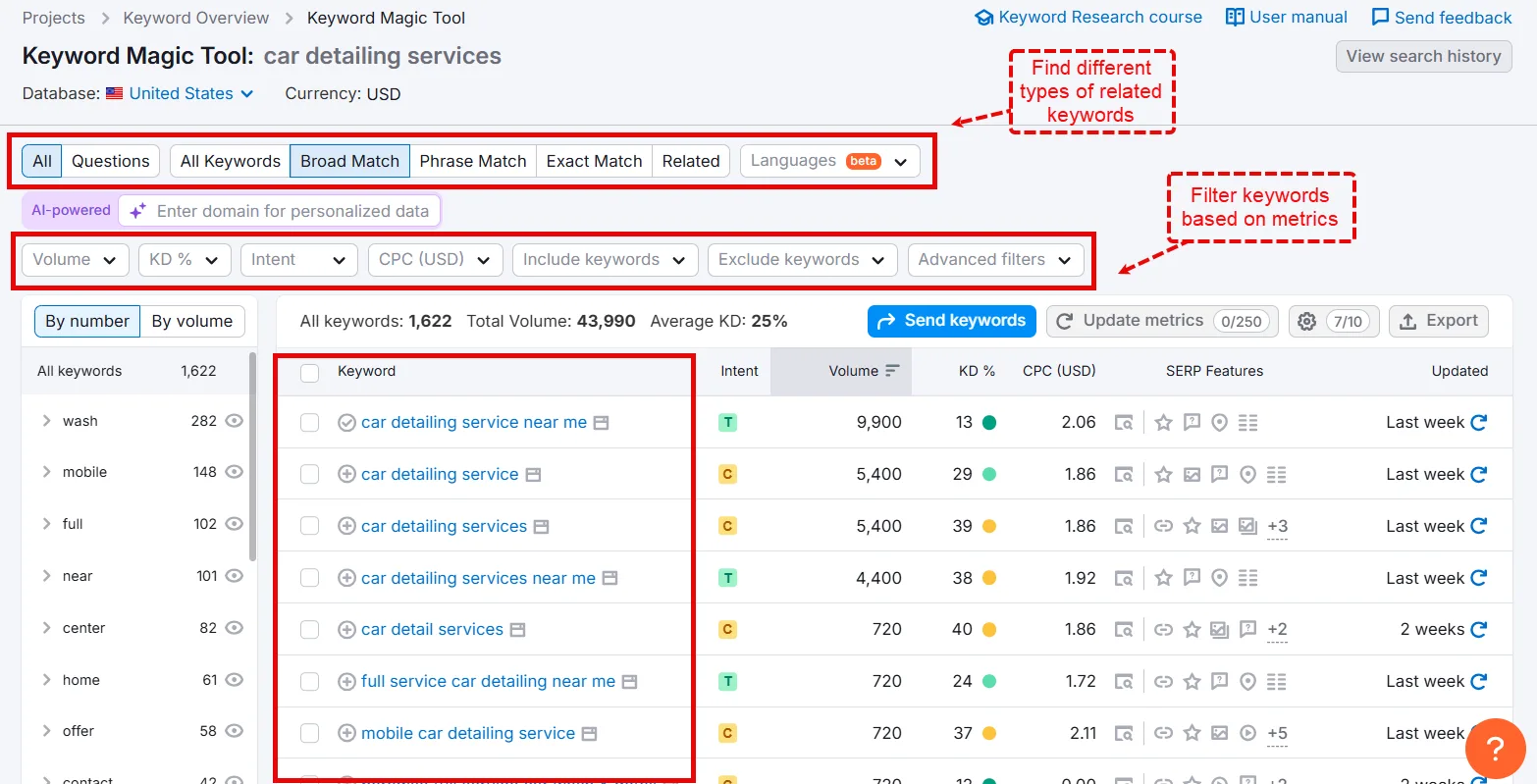
This lets you target the main topic while also capturing niche audiences that are easier to rank for. But search engines now weigh content depth and relevance more than simple keyword matching, so focus on covering topics thoroughly rather than chasing individual terms in isolation.
Instead of a separate page per keyword, build a central page on a broad topic and support it with related subtopics. For a car wash, your main page might be “Complete Car Wash Guide,” supported by:
→ Eco-Friendly Car Wash Solutions
→ Best Soaps for Handwashing Cars
→ How to Maintain a Spotless Finish
Link these pages together to show search engines you cover the topic in depth.
3. Use Google Search and SERP Features for Insights
Don’t limit yourself to SEO tools. Google itself has features that reveal exactly how your audience is searching, what questions they have, what else they’re looking for.
↳ Start with Google Autocomplete. Type your seed keyword into Google and note what it suggests to complete the query.
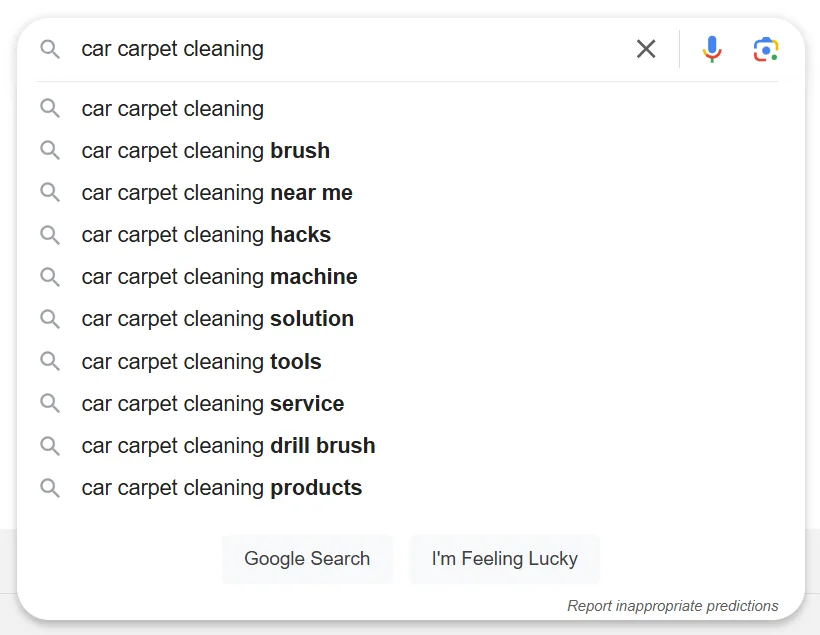
Log any relevant predictions, these are real searches happening around your seed keyword. Try different related terms to surface more long-tail ideas.
↳ Check People Also Ask. Search your seed keyword and scroll to the PAA box.
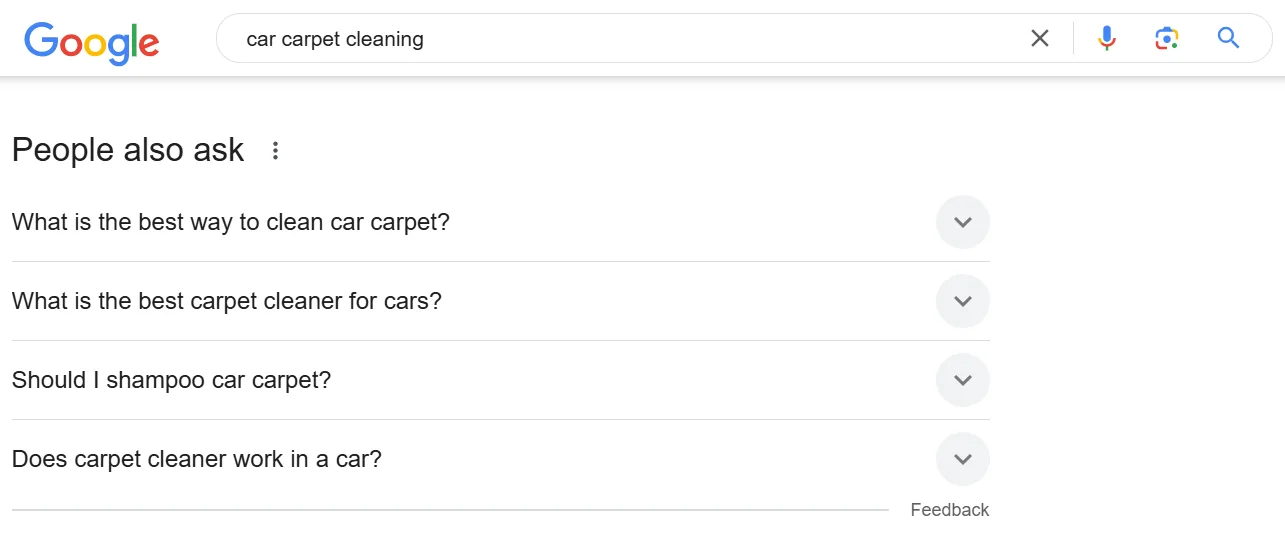
These are real questions your audience is asking. Click into relevant ones and PAA reveals even more, a goldmine for question-type long-tail keywords tied to your audience’s pain points.
↳ Scroll to People Also Search For at the bottom of the SERP.

This shows what people search next after a query like yours. Pick relevant phrases and repeat the process across different seed keywords tied to your business.
4. Go Local With Hyper-Targeted Strategies
Local keyword research isn’t just about adding your city name to content, it’s about understanding how people search when they want something nearby, right now.
Phrases like “coffee shop near me” or “affordable car repair in [city name]” match how customers actually type or speak. These ultra-specific terms help you show up in local search and drive real foot traffic.
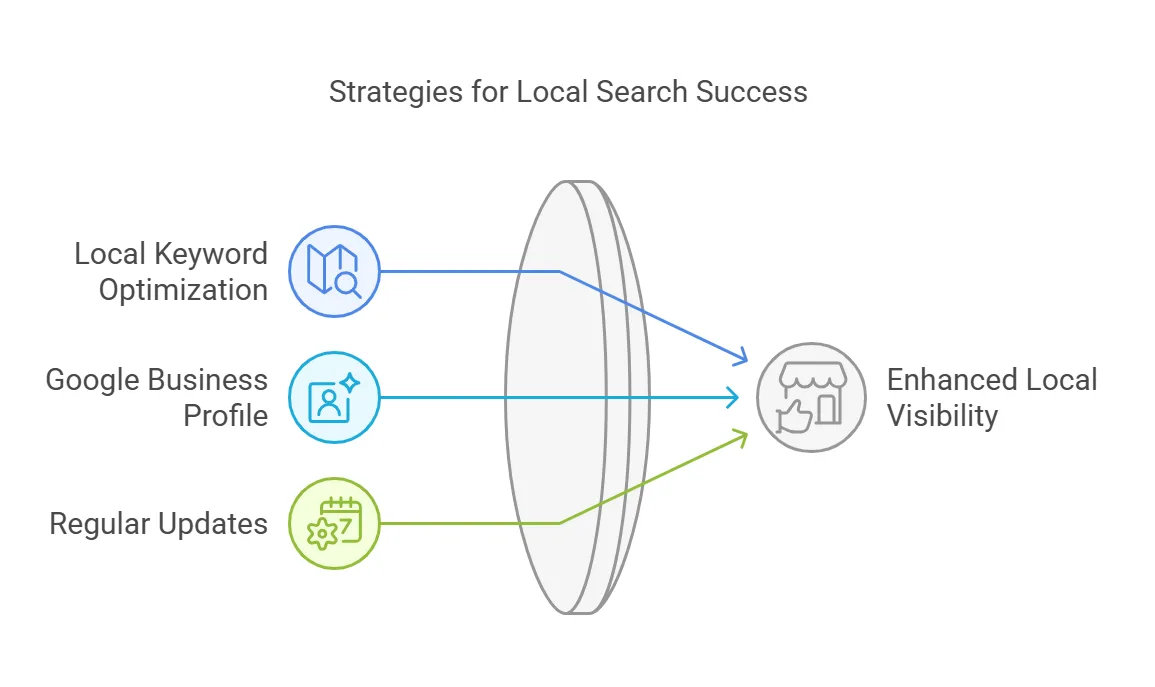
↳ Optimize your Google Business Profile. Use local keywords in your business description, keep hours, address, and contact details current, and add photos and regular updates. A well-maintained profile makes it easier for people to find and choose you over the competition.
5. Adapt to Zero-Click and Voice Search Trends
More people find answers right on the search page thanks to zero-click results and voice-enabled devices. Make sure your content is built for those habits.
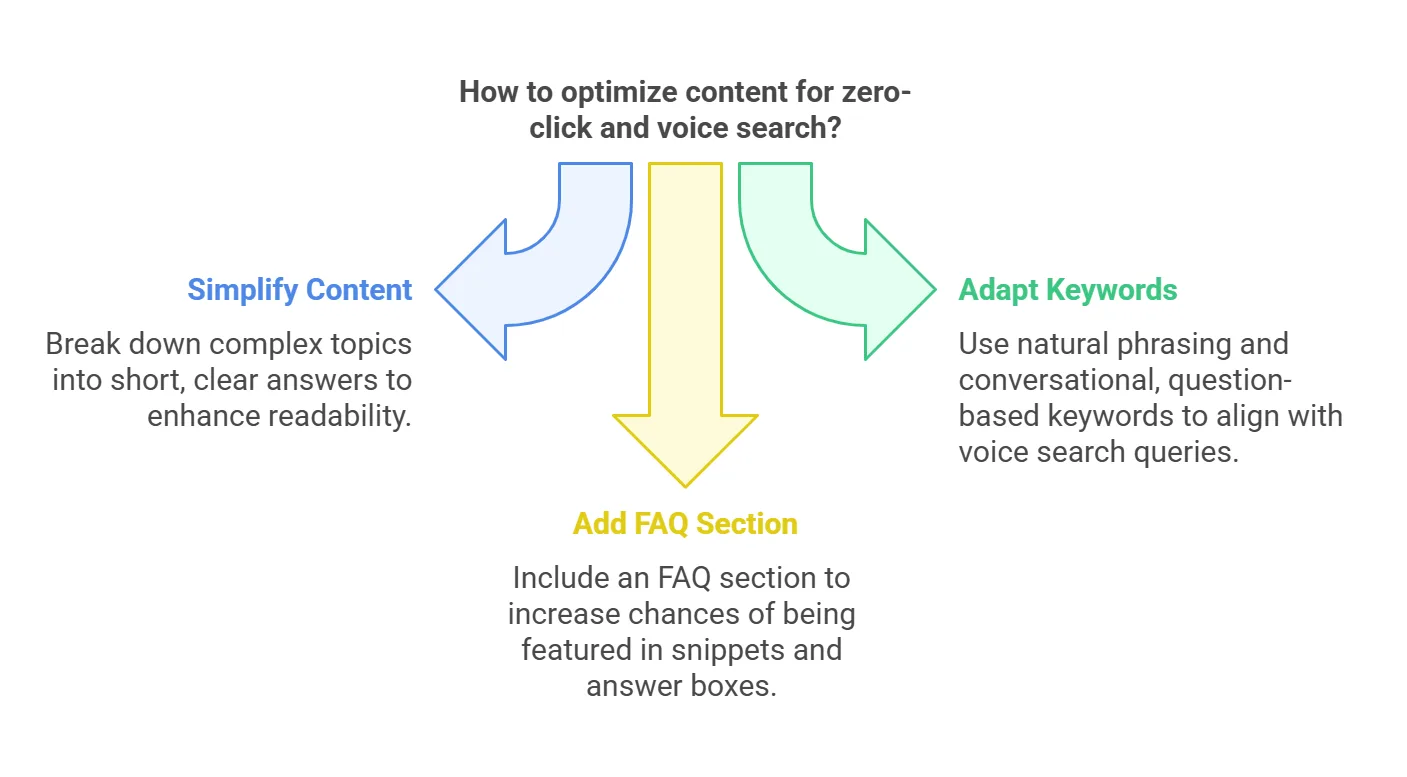
↳ Break complex topics into short, clear answers.
↳ Think about how people talk to smart speakers and match your keywords to natural phrasing.
An FAQ section also helps Google pull your content into featured snippets and answer boxes. Lean on conversational, question-based keywords like “what’s the best car wash near me?” or “how do I remove bird droppings from my car?” Small changes like these improve voice search performance and keep users happy.
6. Find Low-Competition Keywords That Deliver
High-volume keywords are tempting but usually highly competitive. The real opportunities sit in niche, low-competition terms that help you stand out.
↳ Analyze the keyword gap first. Look at what your competitors are targeting and ranking for, then see what you’re missing. Semrush’s Keyword Gap tool makes this simple, enter your domain and your competitors’, then hit Compare.
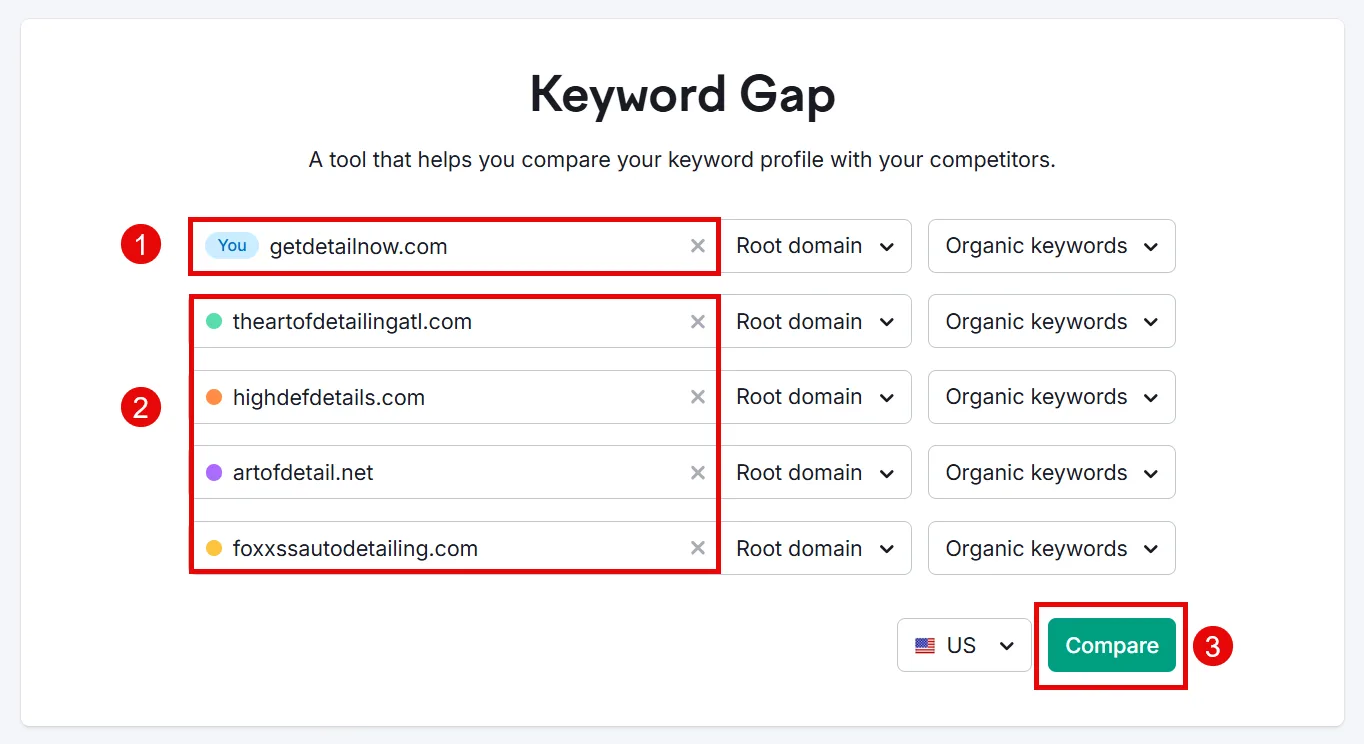
Scroll to the keyword table and click Missing for terms competitors rank for that you don’t. Click Untapped for keywords no one is fully using but could be relevant to you. This does two things: shows you what they’re already ranking for, and surfaces gaps they’ve missed entirely.
↳ Focus on specific phrases next.
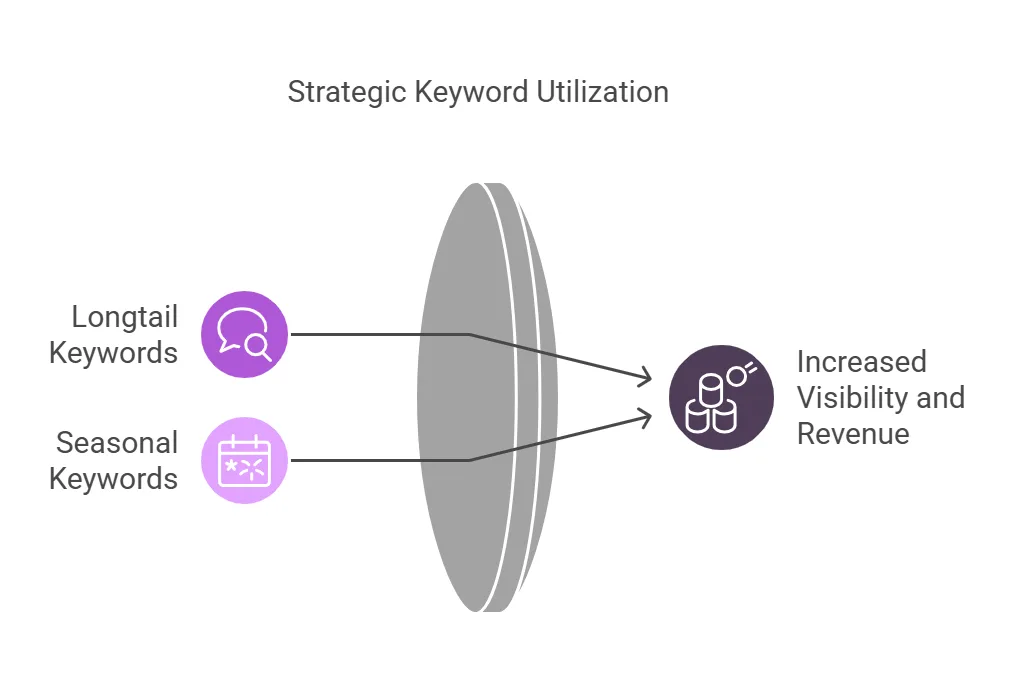
Long-tail terms like “best car wash for electric vehicles” or “eco-friendly car wash near me” may pull fewer searches, but they attract visitors who know exactly what they want and are far more likely to convert.
Seasonal and event-based keywords are another good opportunity, terms tied to holidays, local events, or industry gatherings, like “Black Friday sale,” “clearance sales,” or “Christmas sale.” These only drive traffic temporarily, but they can deliver a real visibility and revenue boost when timing matters most.
7. Balance Keyword Goals With Realistic Expectations
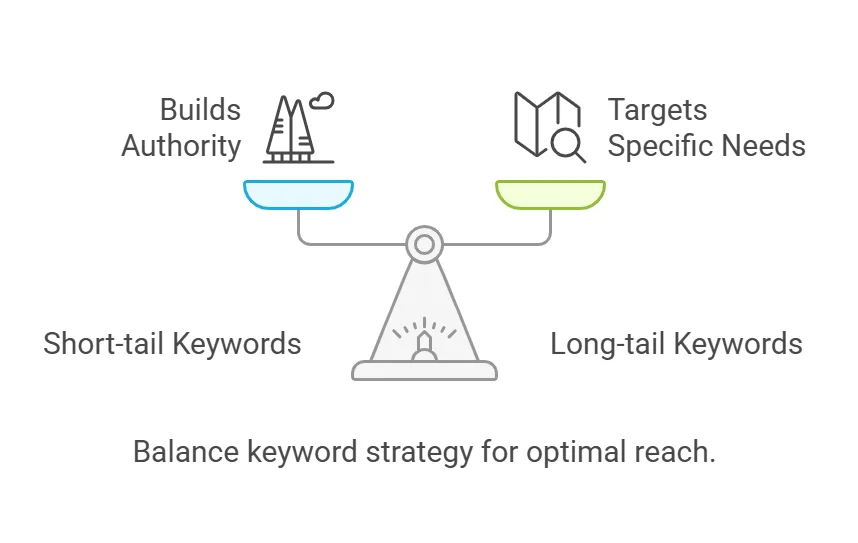
Don’t only chase high-volume keywords that are near-impossible to rank for, but don’t get complacent with safe keywords that bring decent traffic at best either. Both short-tail and long-tail keywords deserve a place in your strategy:
↳ Short-tail keywords build broader authority.
↳ Long-tail keywords target specific needs more effectively.
Metrics like keyword difficulty, search volume, and intent matter too. I use Semrush’s Keyword Overview tool, plug in your keywords and hit Search.
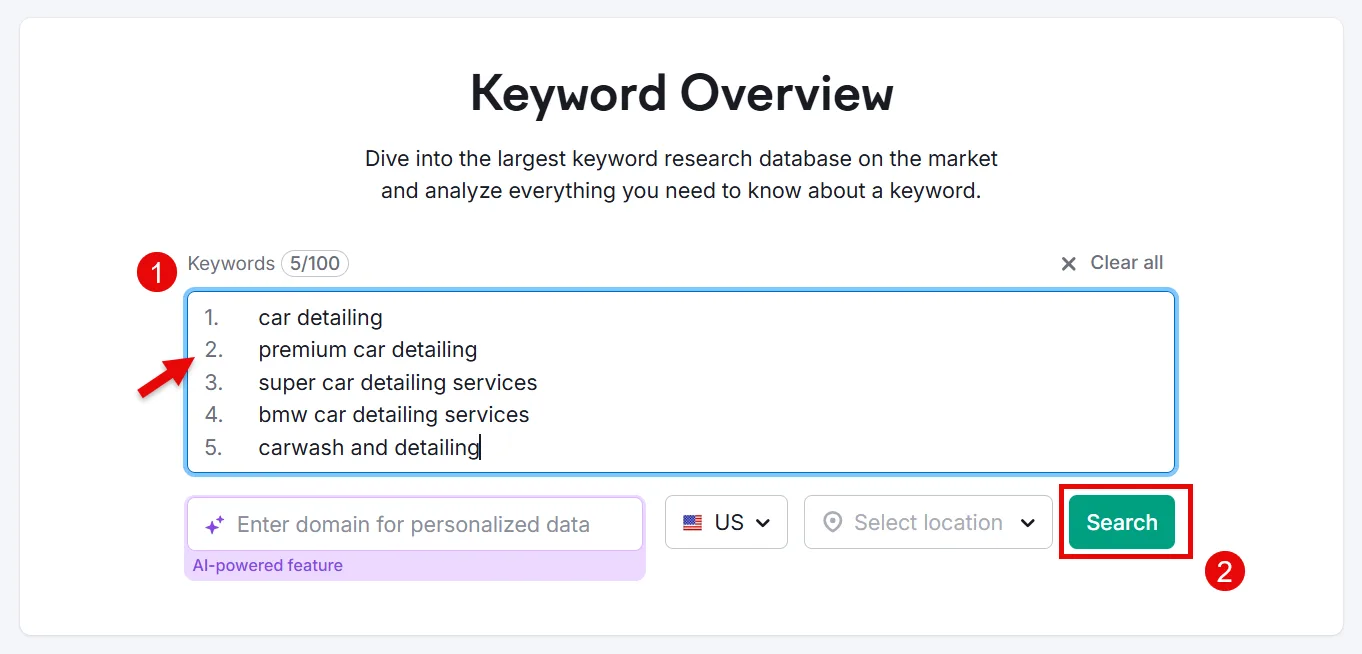
This surfaces volume, difficulty, intent, and more for each keyword, helping you prioritize what you can actually rank for.
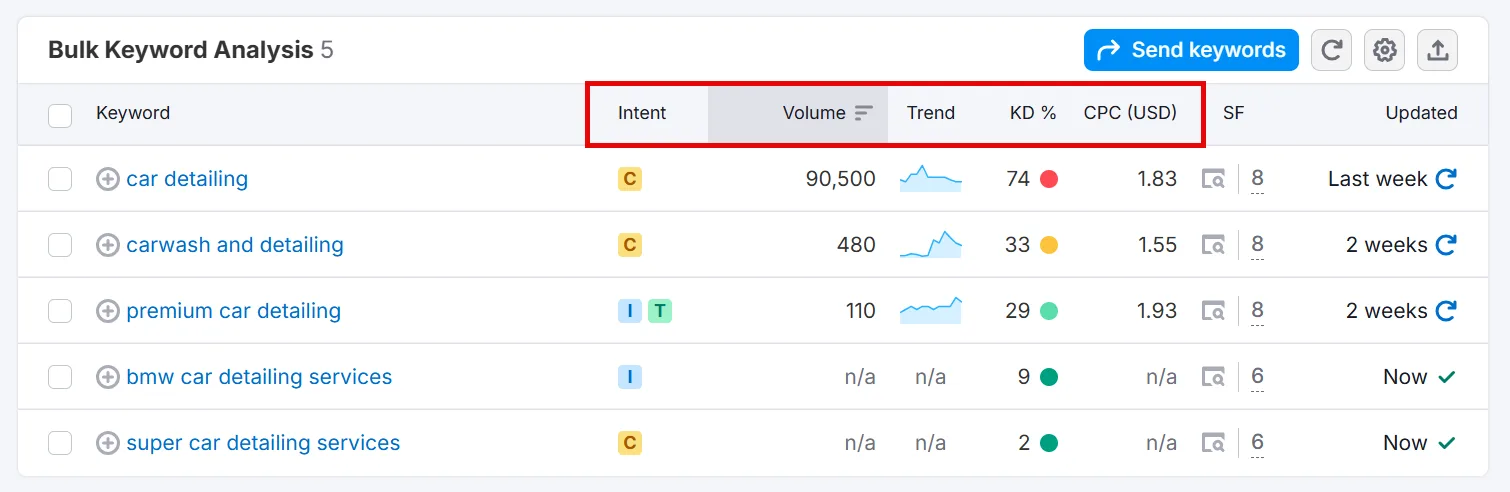
These metrics give you the full picture of what’s working, and where to adjust.
8. Don’t Overlook Negative Keywords
Say you run a premium car wash offering top-notch detailing. You don’t want to pay for your ads to show up for “cheap car wash services,” those searchers want budget, not premium. It doesn’t matter how high the demand is for that term, it’s not your audience.
Even if that keyword pulled in traffic, your conversion rate would stay low once people realize your pricing doesn’t match their budget. Add “cheap” as a negative keyword, and your ads simply won’t appear for that search.
To set this up in Google Ads, go to Campaigns > Audiences, keywords and content.
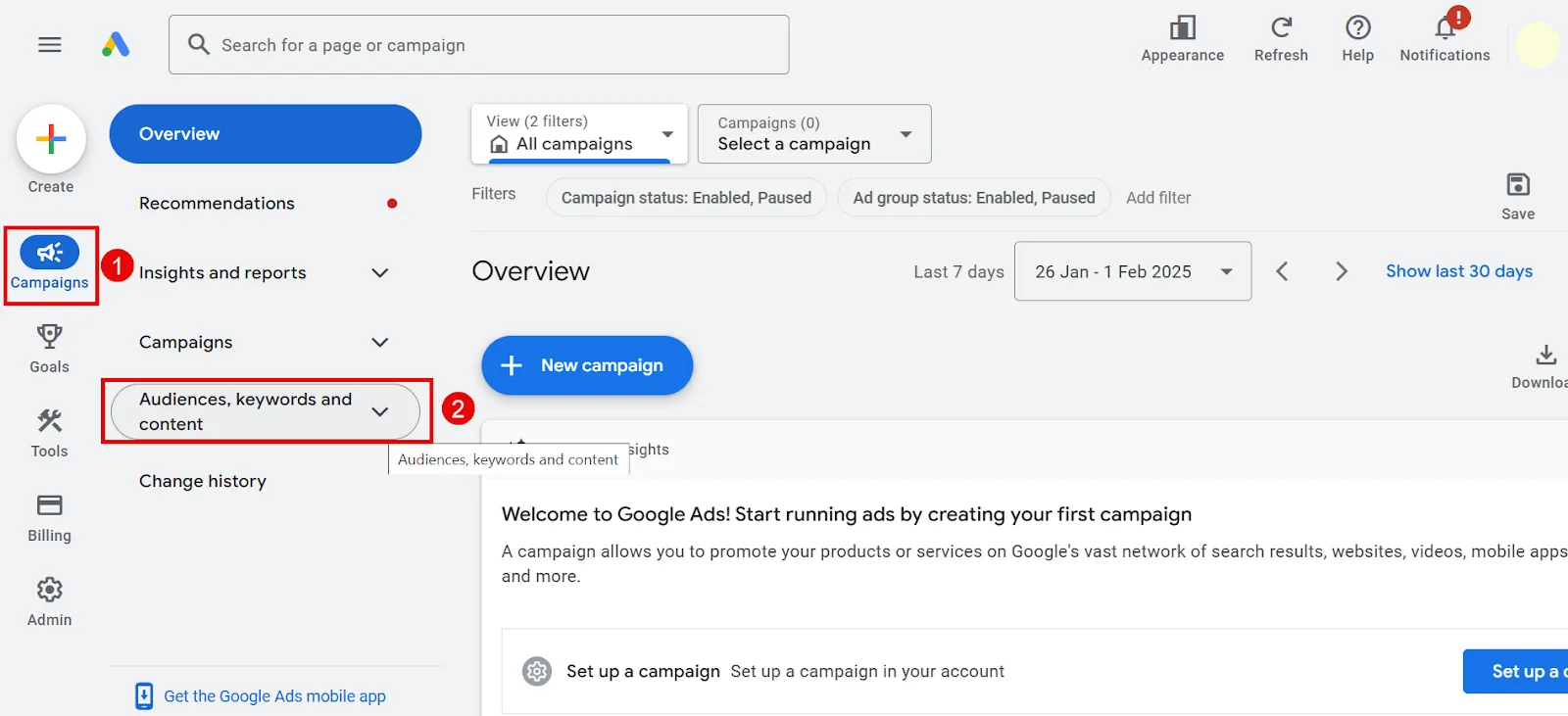
Click Negative search keywords, then the + button, select the campaign, add your negative keywords, and hit Save. Now your ads reach customers more likely to book and less likely to bounce.
9. Turn Your Keyword Research Into a Strategic Content Plan
To actually drive traffic and conversions, you need a content strategy that puts your keyword research to work.
1. Organize your keywords. Sort them into three strategic buckets:
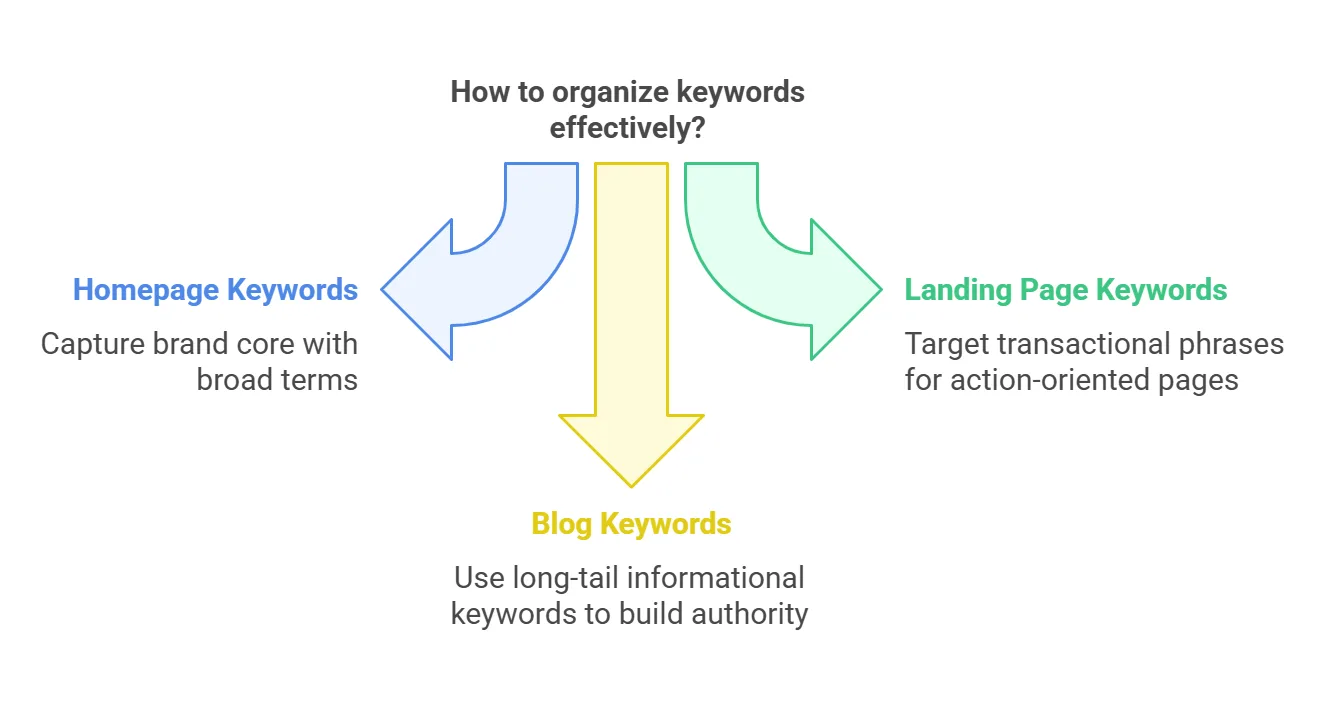
↳ Bucket 1, Homepage keywords: 1 to 3 primary keywords that capture your brand’s core, broad terms introducing your business, supported by a couple of related secondary keywords.
↳ Bucket 2, Landing/static page keywords: transactional phrases for your service or category pages, speaking directly to users ready to act.
↳ Bucket 3, Blog keywords: informational, long-tail terms that answer common questions, building topical authority and reaching users at the awareness stage.
2. Build a content structure that works.
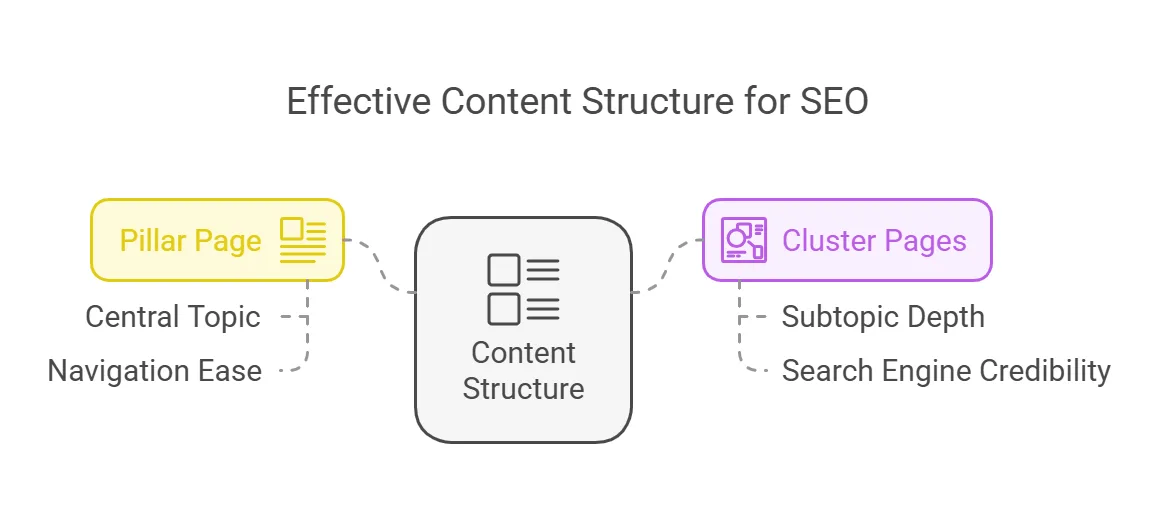
Keywords on their own don’t do much. Build a central pillar page with a comprehensive overview of your topic, then link it to cluster pages that dive into specific subtopics. This keeps content easy to navigate and reinforces credibility with search engines.
3. Use keywords naturally.
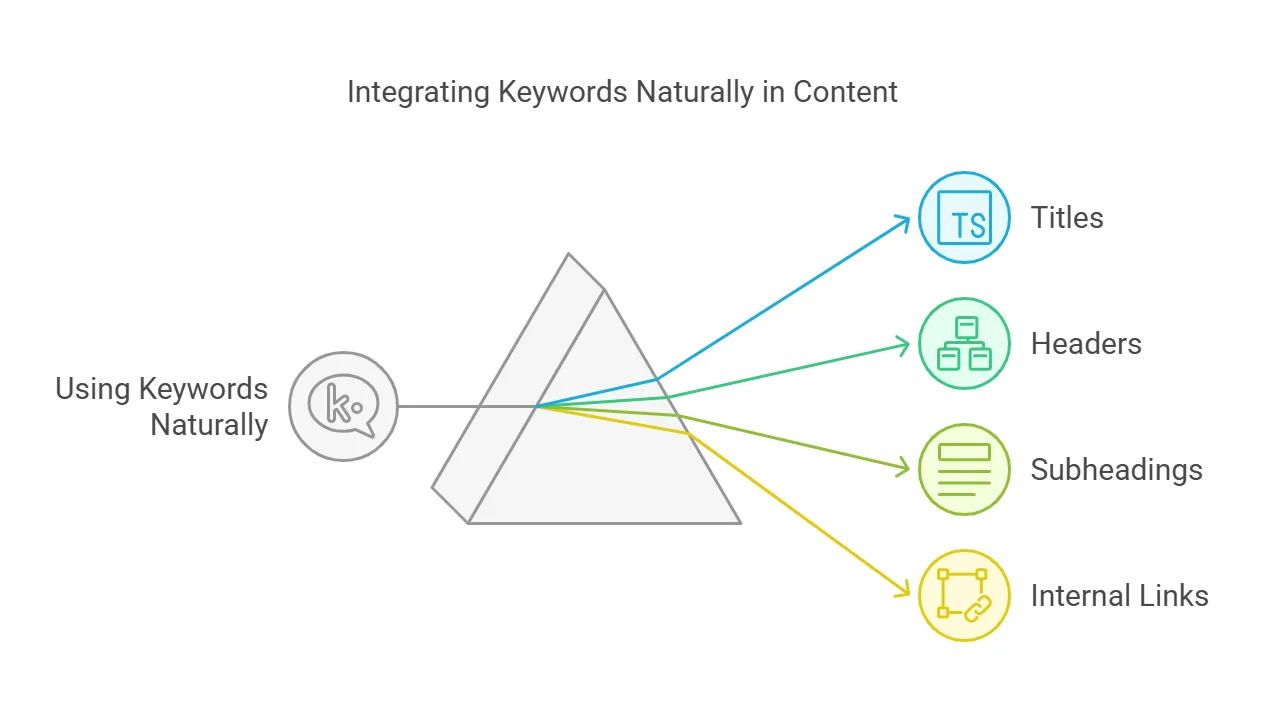
Don’t shoehorn keywords in. Place them naturally into titles, headers, subheadings, and internal links, content that flows and genuinely helps the reader.
4. Keep your content evergreen.
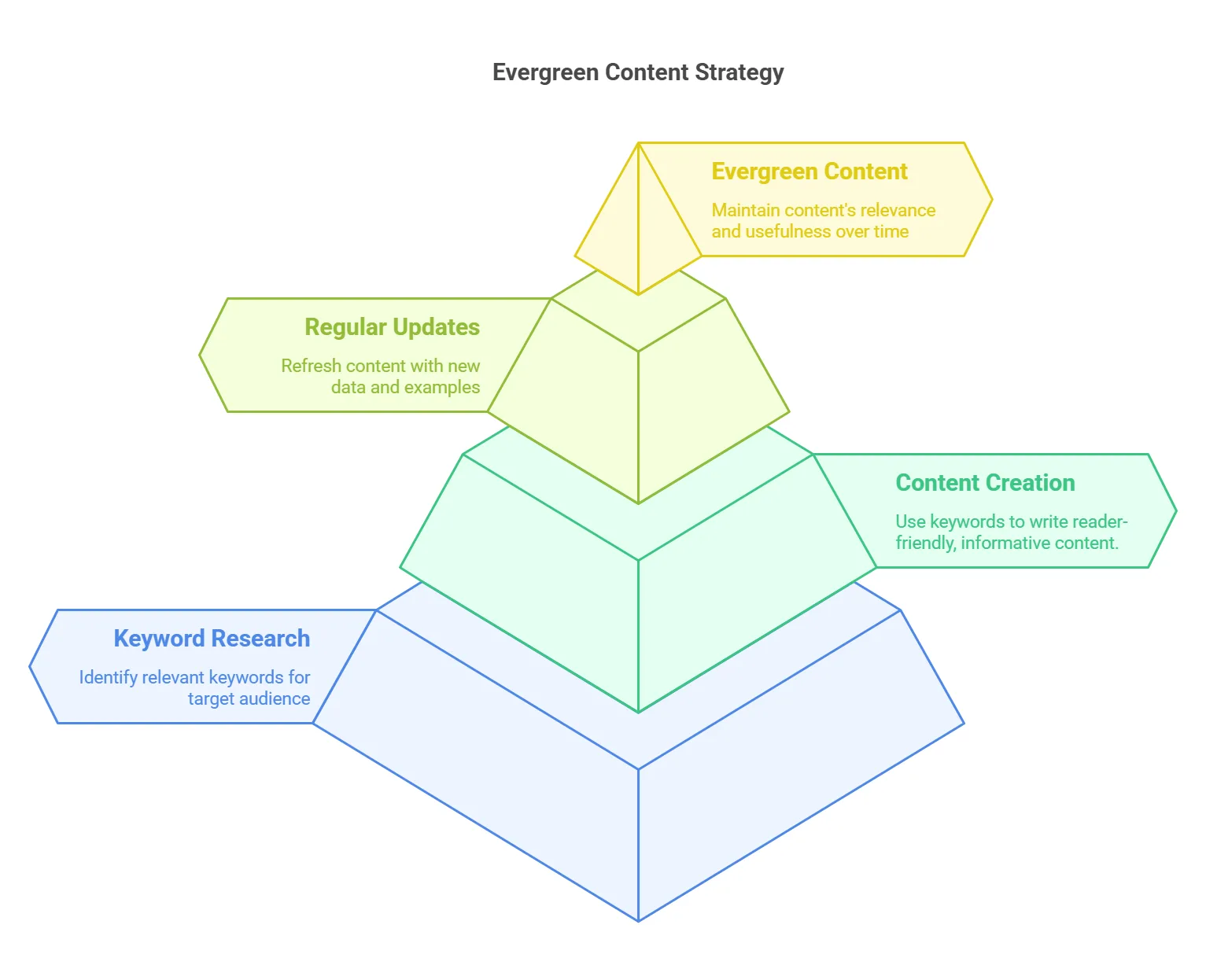
Regularly refresh your best-performing pages with new keywords, current data, and updated examples so they keep driving traffic over time.
The bottom line: turn your keyword research into well-organized, reader-friendly content that genuinely addresses your audience’s pain points.
10. Monitor, Measure, and Improve
Keyword research isn’t a set-it-and-forget-it task.
↳ Keep monitoring and optimizing to stay ahead of competitors, adapt to algorithm changes, and improve ROI. Check which keywords bring in the most traffic and which pages actually convert. Are rankings improving, or do certain keywords need more attention? Keeping tabs on this helps you spot what’s working and what needs tweaking.
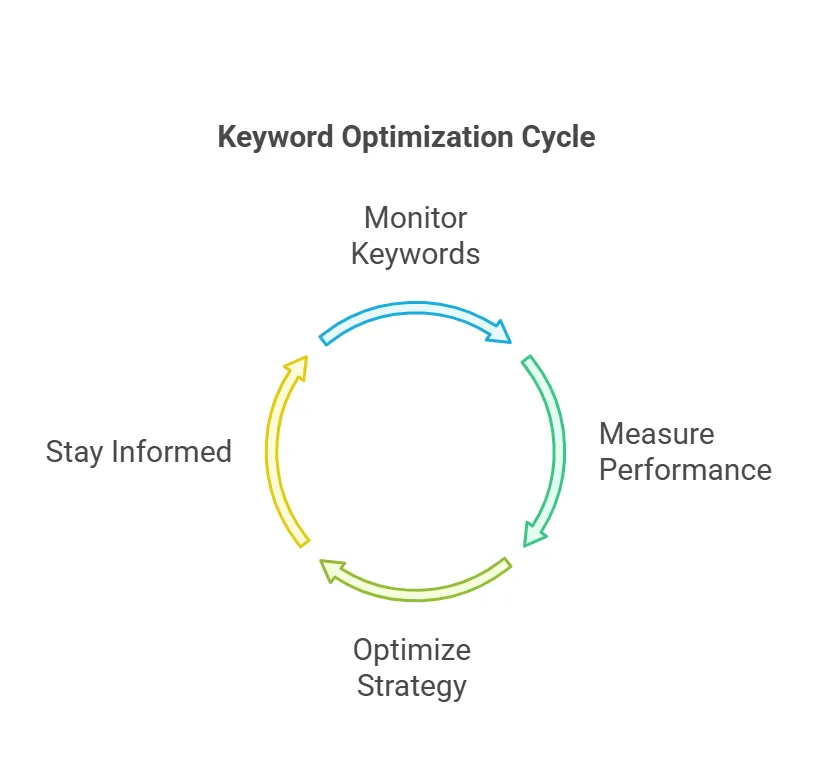
↳ Keep up with trends and shifts. SEO isn’t static, algorithms change, competitors adjust, and consumer interests move. Follow trusted SEO blogs, newsletters, and forums to stay current, and use Google Trends to spot trending keywords.
↳ Stay flexible. A willingness to update your keyword approach keeps you visible and relevant no matter what’s happening in the SEO world. Your strategy is never really “done.”
A Keyword Strategy That Lasts and Converts
The trick is aligning your keywords with search intent and buyer journey stages, that’s what drives targeted traffic and, eventually, conversions.
More to help round out your small business keyword strategy:
↳ What Is a Good Keyword Search Volume For Your Business?
↳ How to Get Local Keyword Search Volumes by City
↳ How to Do Keyword Research for eCommerce
Frequently Asked Questions
What are the 5 steps to be followed during keyword research?
Set clear goals and choose your target audience, brainstorm ideas and list potential keywords, use keyword tools to check search volume and trends, review competitor rankings and keyword difficulty, then narrow your list to the best keywords that match your objectives.
How many keywords per 1000 words?
Use keywords naturally, the exact count matters less than creating genuinely helpful content. Aim for a density of around 1 to 2%, roughly 10 to 20 keywords in a 1,000-word article, keeping the content clear and reader-friendly while still signaling focus to search engines.
How to do B2B keyword research?
Start by defining your business goals and identifying your target decision-makers. List industry topics and search terms that address their needs, use keyword tools to find phrases with good volume, check competitor content, and refine your list toward long-tail keywords matching your audience’s buying stage.
How to get better at keyword research?
Practice with different keyword tools and study market trends regularly. Learn from tutorials that explain search basics, compare your results against competitors, and keep testing new approaches. Regular practice is what actually builds the skill.
How to do SEO for beginners?
Start with a simple site and focus on quality content that serves your readers. Use keyword research to find topics your audience cares about, write clear headlines and meta descriptions, improve site speed and mobile experience, and track progress with a tool like Google Analytics.
Which tool is best for keyword research?
I find Semrush the best overall, it simplifies the process and saves a ton of time with detailed insights and reports. If you’re on a budget, Google Keyword Planner is a solid free option. Test a few tools to see which gives you the data you actually need.
How do you start a keyword research?
Start by understanding your audience and what they search for. Brainstorm topics that interest them, use a keyword tool to check search volumes, review the competition, and organize your list by relevance and intent to plan your content strategy.
Is keyword research difficult?
It can feel challenging at first, but it gets easier with practice. Use free and paid tools to gather data and understand search trends, and as you learn more about your audience’s needs, the process becomes far more straightforward.
What is KD% in SEO?
Keyword difficulty percentage, a score showing how hard it is to rank for a specific keyword, factoring in things like competition strength and backlinks. A low KD% means an easier climb; a high one means more effort. Use it to pick keywords realistic for your site’s current strength.
Can I do keyword research for free?
Yes. Free tools like Google Keyword Planner, Google Trends, and Ubersuggest offer solid data on search volume and keyword ideas. Start there and upgrade to a paid tool later if you need more detailed insights.