



Trying to get quality backlinks from international domains?
You need a more targeted approach to land quality local backlinks. Having worked with clients on this for years, here are the tricks and strategies that have actually worked.
How I Build International Backlinks
1. Plan Your International Link Building Strategy
Start by identifying your target markets. Use Google Analytics to see which international markets already send traffic to your site. Noticing meaningful visits from France or Germany? Those regions may represent real opportunity.
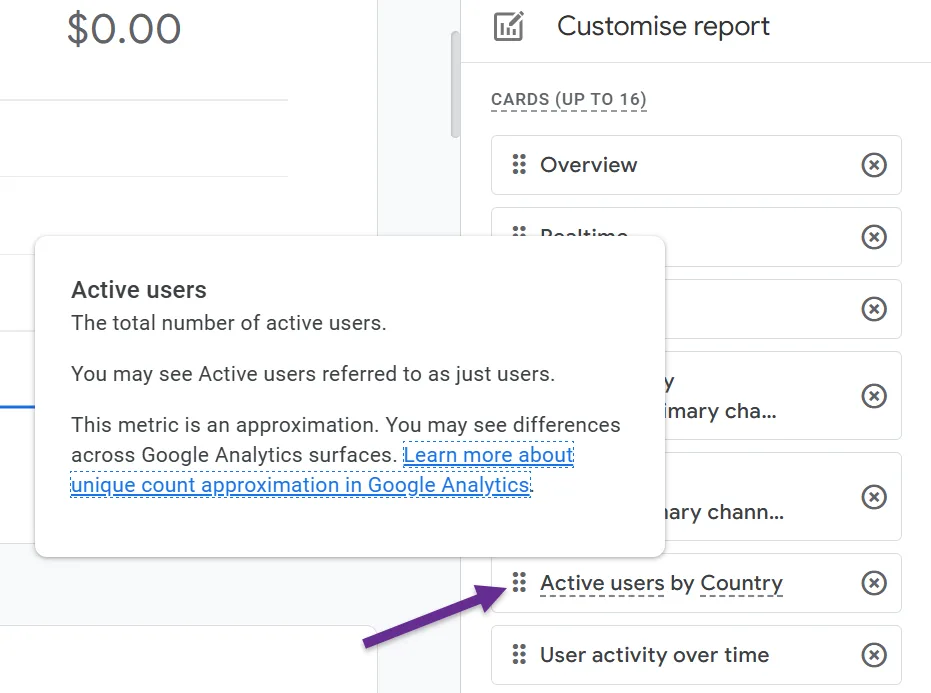
Focus on markets where your content can naturally resonate, and prioritize those to get the most out of your effort.
Understand the local SEO environment. Google dominates most markets, but regions like Russia and China rely on local search engines, Yandex and Baidu respectively.
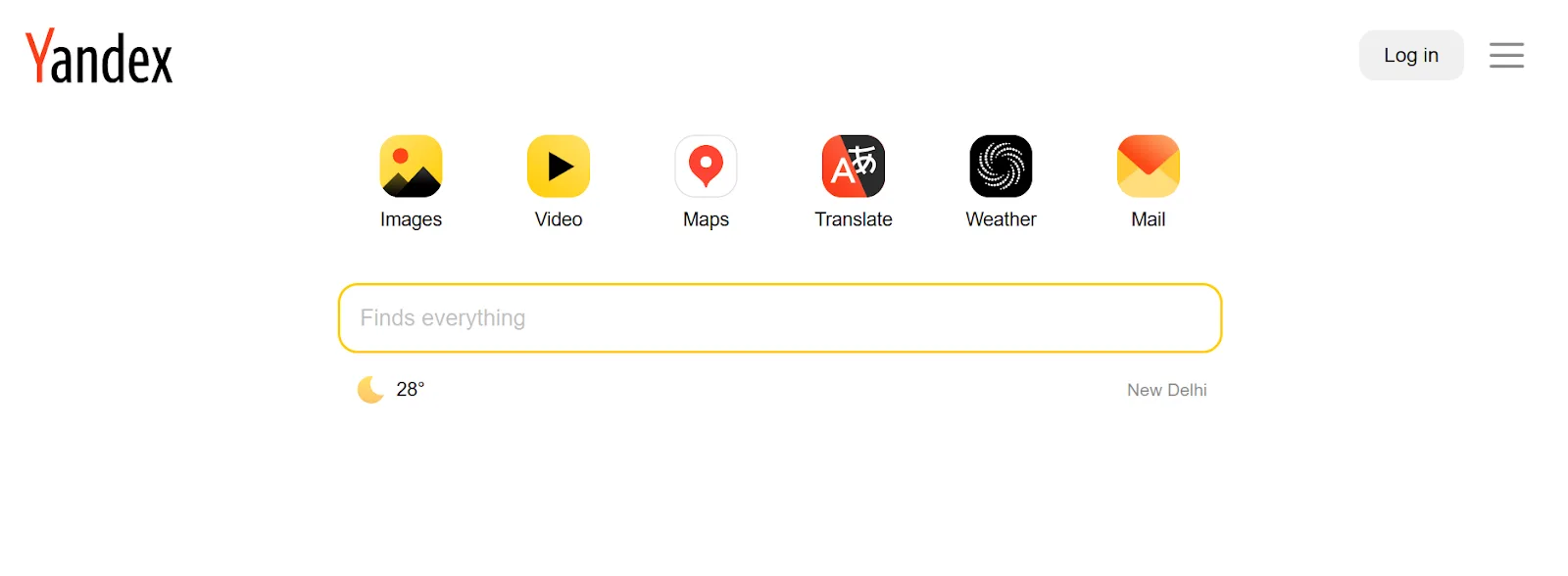
Research local SEO practices and platform-specific tactics for whatever region you’re targeting.
Research the culture and language. Truly localizing your outreach matters if you want international backlinks. Adapt content to reflect local customs, idioms, and preferences. Don’t just translate, invest in real localization or work with native copywriters. That extra effort makes your outreach emails and content resonate naturally, improving both engagement and credibility.
Add localized pages to your website. Technically optimize for international visitors with localized pages, country-specific subdirectories (yoursite.com/fr/) or ccTLDs to signal relevance. Look at how H&M France handles this.
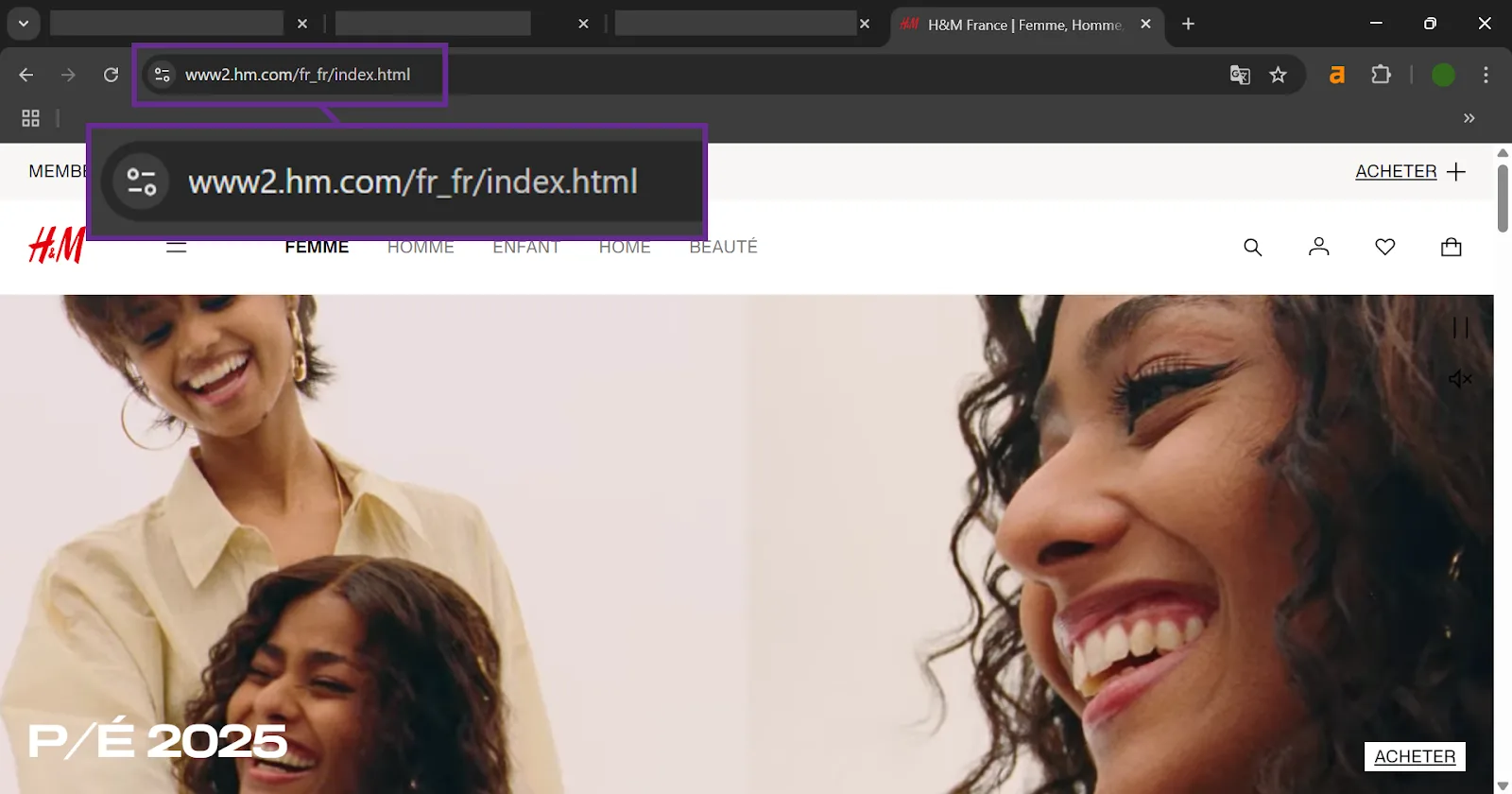
Implement hreflang tags so search engines serve the right version of your content, and make sure every localized page is fully optimized for local keywords and user experience.
2. Research Competitors’ International Backlinks
Understanding where competitors earn their authority surfaces real link opportunities.
Use Semrush to find opportunities. Open Backlink Gap, enter your domain plus up to four competitors performing well in your target market, click Find Prospects.
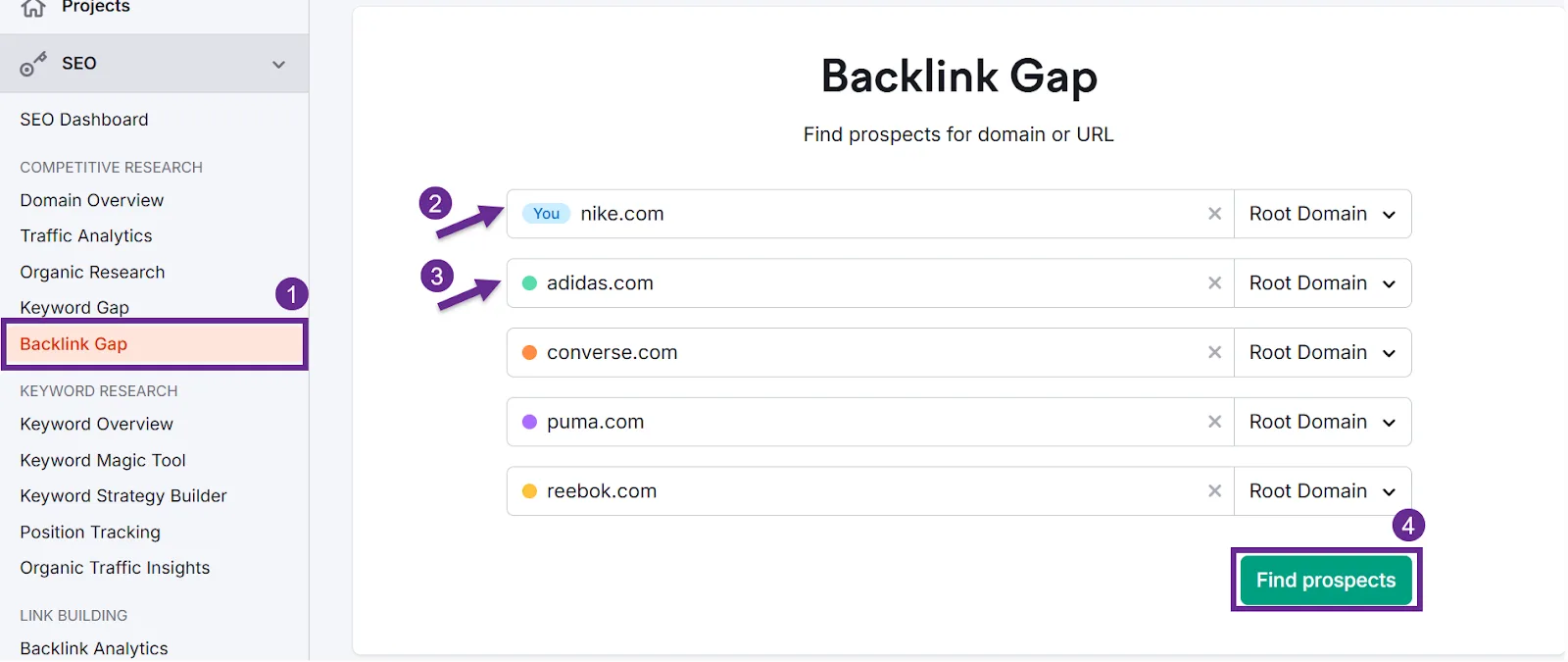
This surfaces domains linking to competitors but not you. Click Advanced filters and select your target country to narrow results to that region.
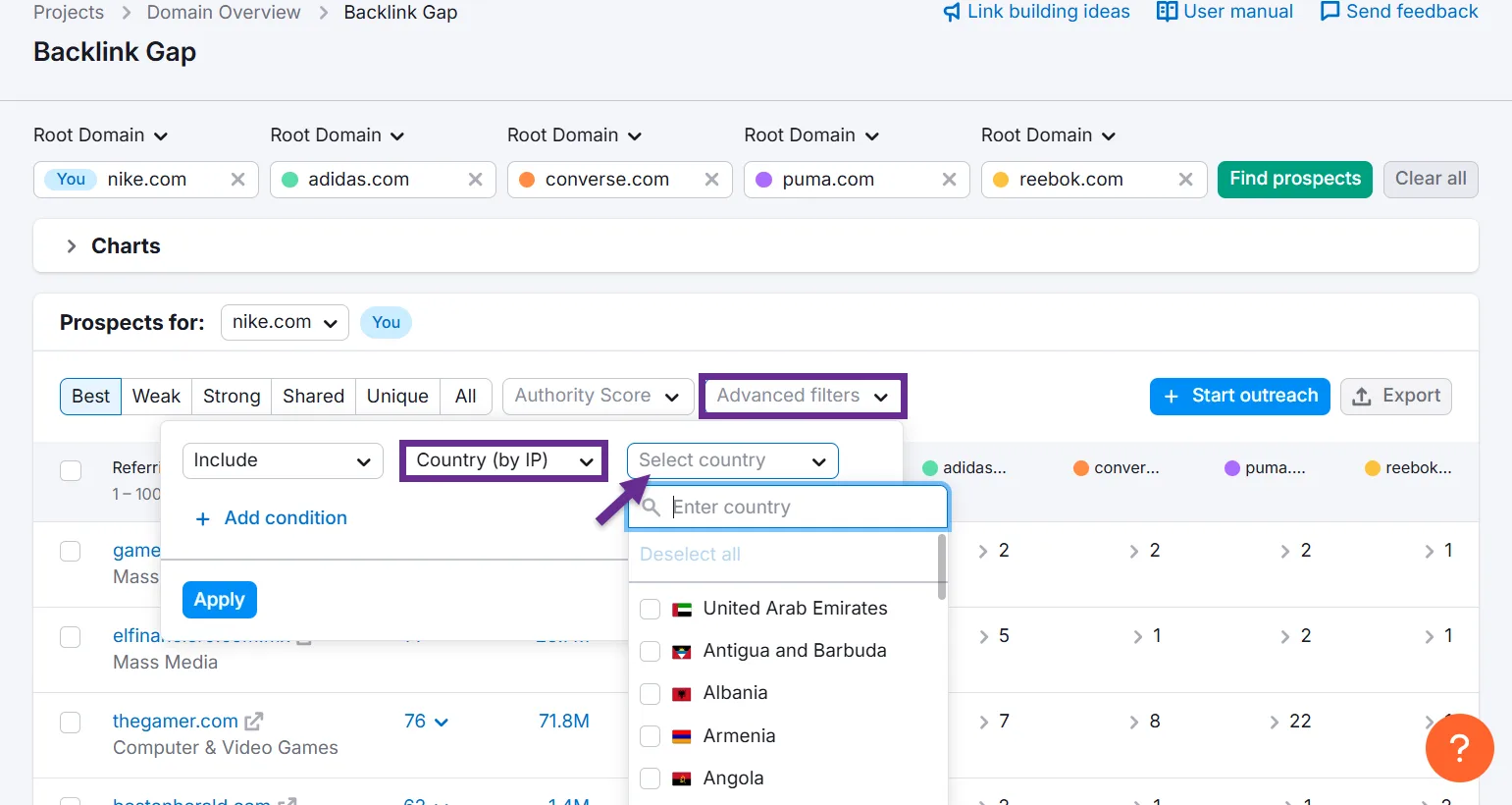
Export it to build a detailed prospect list for international outreach.
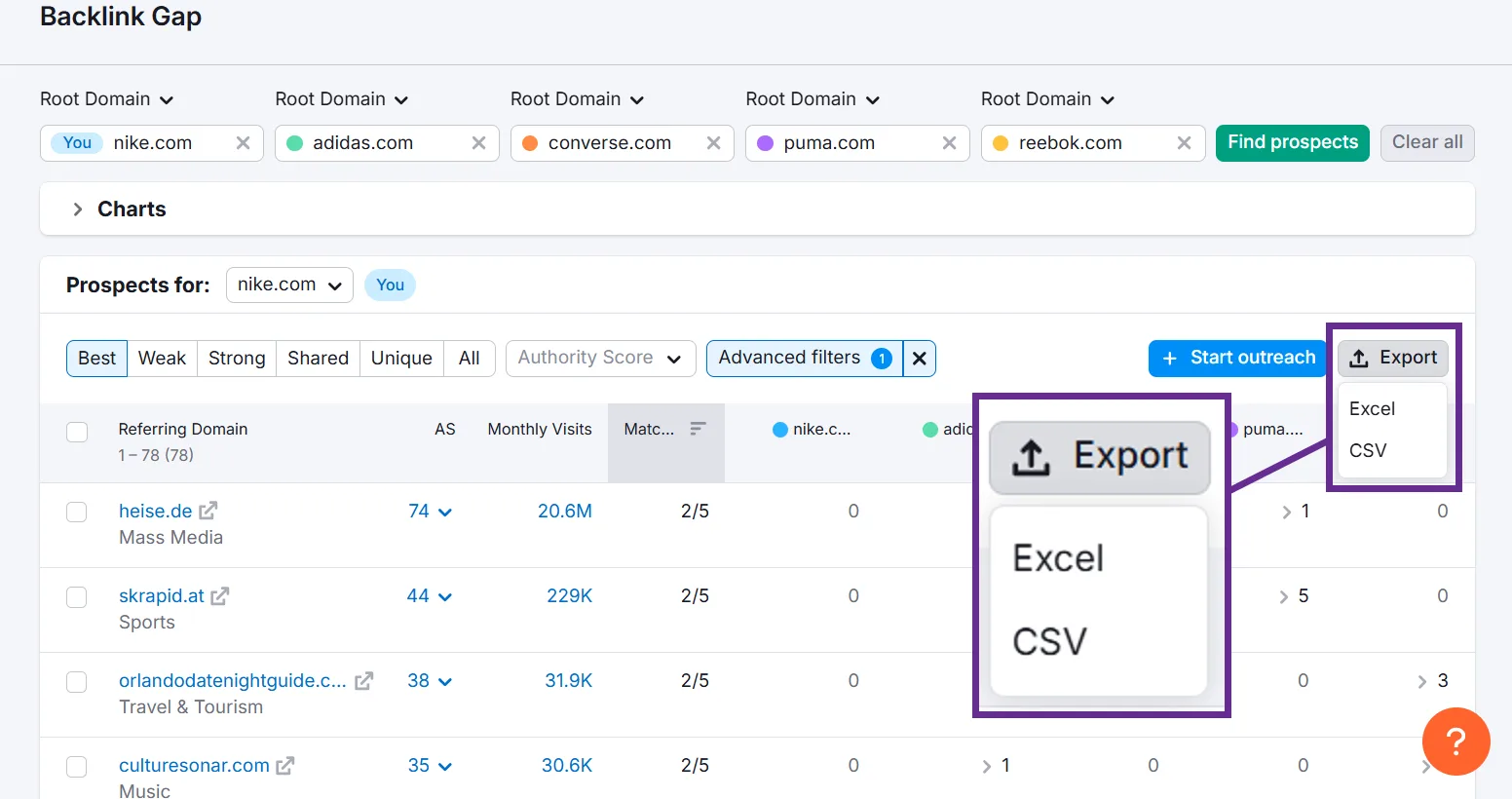
Identify and organize prospects. Look for recurring link sources in your data. If several competitors get backlinks from the same site or directory, that source is likely receptive to quality content. Build a spreadsheet with site name, URL, contact info, and notes on why each is a good target, this keeps outreach efficient and focused on genuinely relevant, high-quality sites.
3. Create Localized, Link-Worthy Content
You need genuinely valuable content to earn links from high-authority domains, and for international link-building specifically, it needs to be tailored to local audiences too.
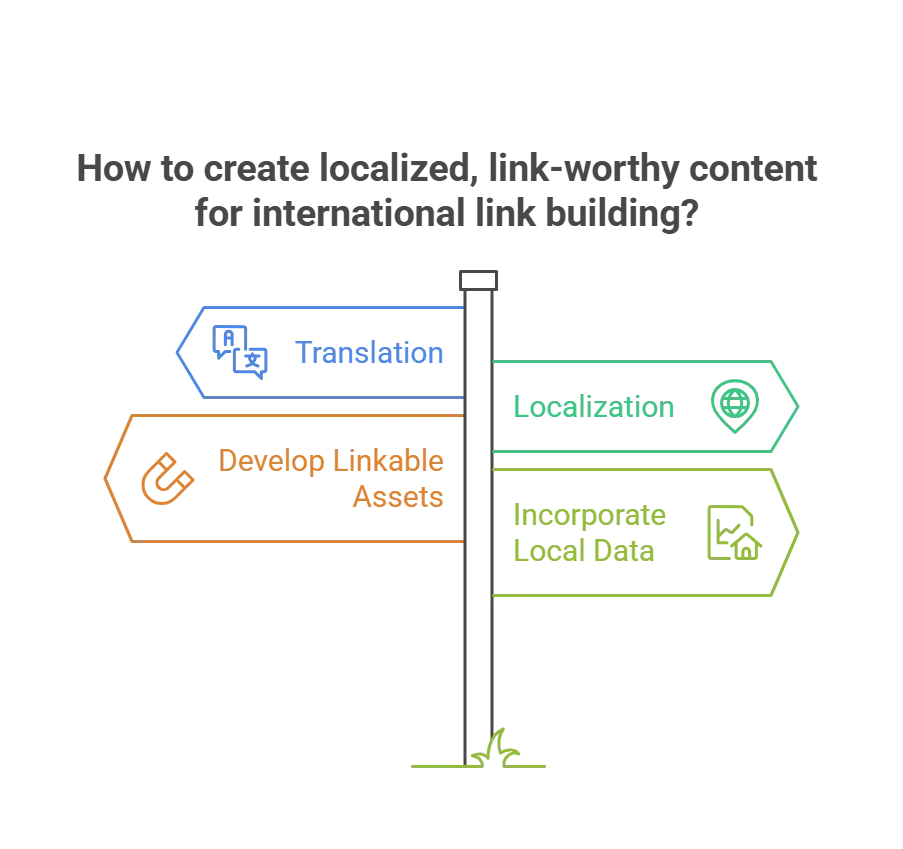
Translation vs. localization. Plain translation won’t make content resonate. You also need to fit the cultural context and language nuances of the target market, reworking examples, images, and tone so it feels native. Hiring local writers with native-level fluency gets the best results.
Develop locally relevant linkable assets. Build high-quality assets others actually want to link to, in-depth guides, case studies, interactive tools, or infographics covering topics relevant to the target market. A guide on “SEO Trends in France” with localized data and examples can position your site as an authoritative resource and earn backlinks from French blogs and news outlets.
Incorporate local data and examples. Work in local statistics, case studies, and quotes from local experts. This adds real depth and signals to local site owners that your content is genuinely tailored for their audience, increasing your odds of earning a link.
4. Personalize Outreach and Build Relationships in Target Markets
Personalized outreach is essential for earning international backlinks, and for building real trust with local site owners.
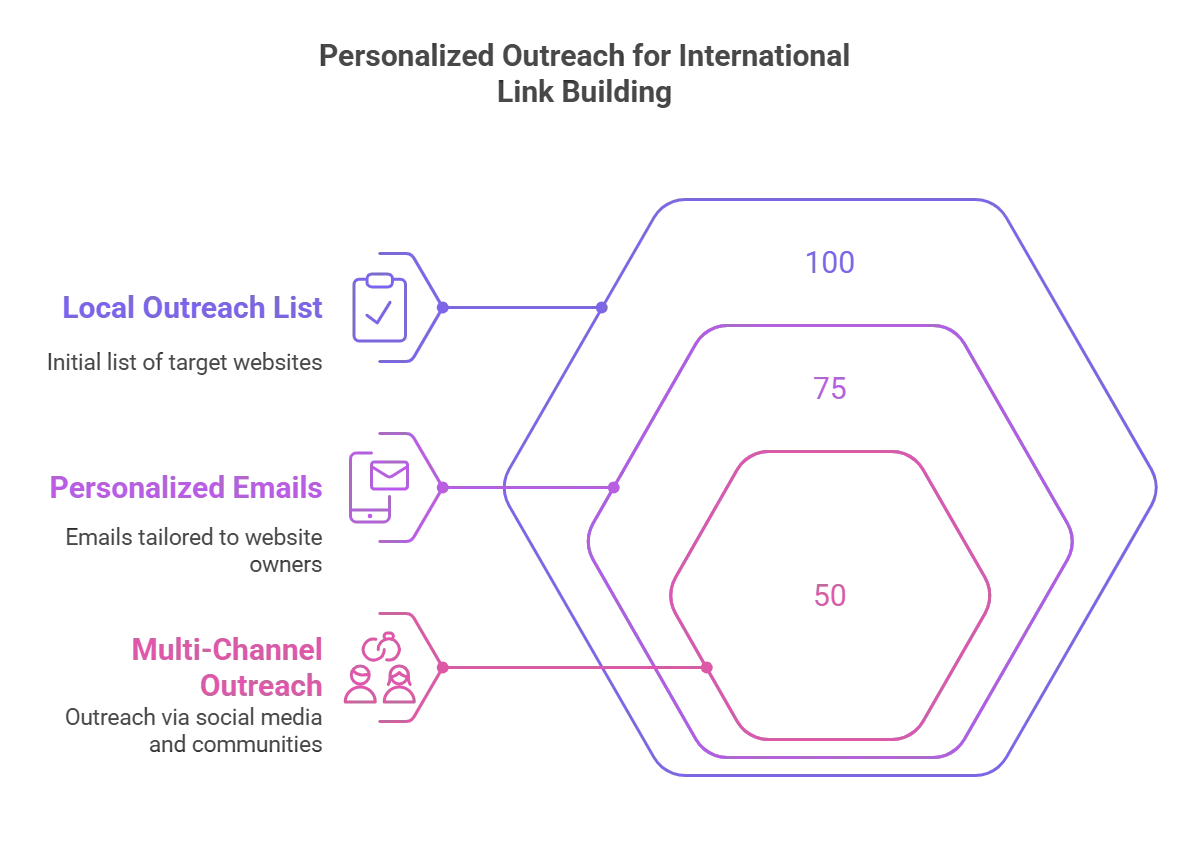
Build a local outreach list. Combine competitor research with local directories, tracking website name, URL, contact name, and email, so you’re targeting genuinely high-quality, relevant sites in each market.
Personalize your outreach emails. Address the recipient by name, reference specific details about their site, and clearly explain how your localized content benefits their audience. Where possible, write in the local language or include a few local phrases, it creates a real connection and meaningfully improves response rates.
Try multiple outreach channels. Don’t rely on email alone. Engage prospects on social media and in local online communities, join industry groups, participate in discussions, share relevant content. This builds familiarity before you ever send a direct pitch.
5. Try Local Directories, Citations & Listings
Local directories and citation sites are quick wins for international link building, boosting both authority and local SEO.
Identify reputable local directories. Search for local business directories, industry-specific listings, and government or chamber of commerce sites in your target market, generally trusted sources by both search engines and users.
Keep your NAP (Name, Address, Phone) consistent across every listing to build credibility.
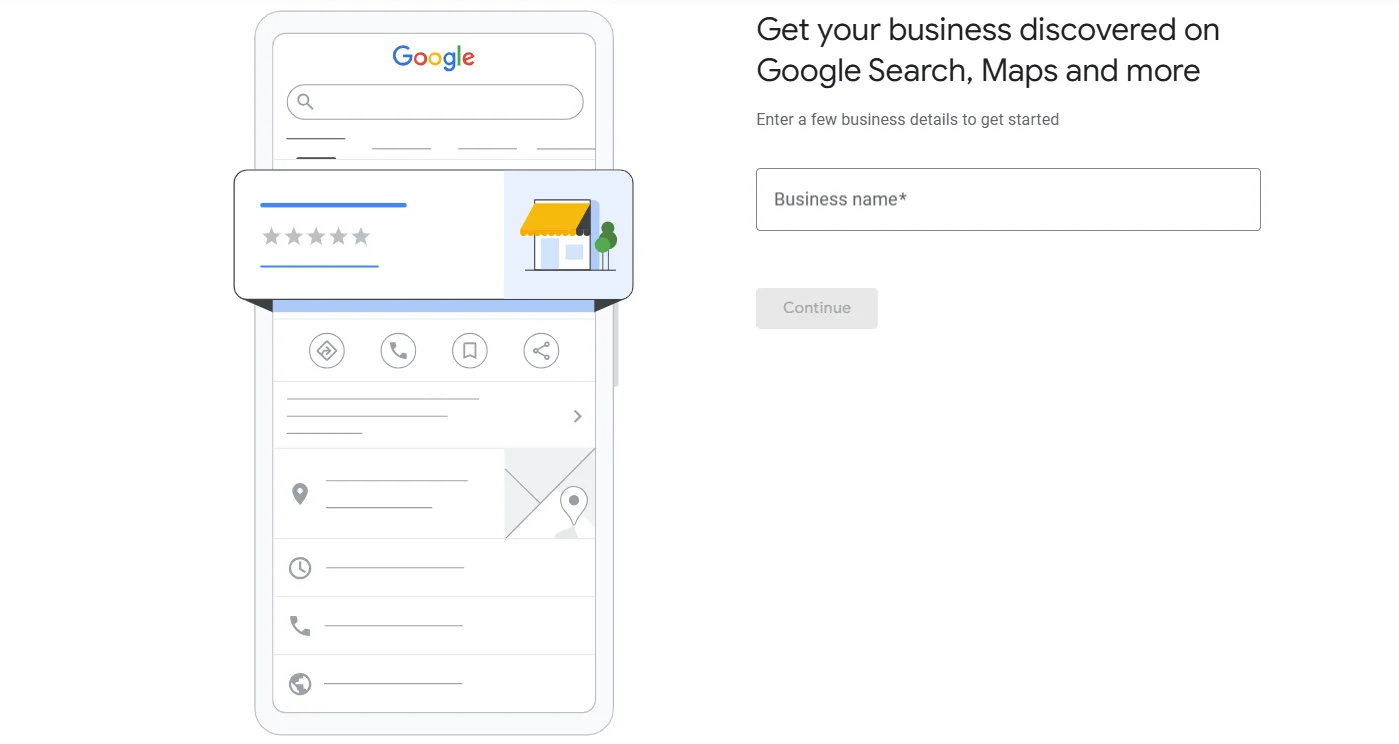
Set up a local online presence. Register your business on Google My Business or local equivalents if you have a physical presence. Even nofollow links here add to local credibility and can drive real referral traffic. High-quality listings on review sites or local forums strengthen your profile further.
6. Improve Your Local Social Media Presence
Social media spreads your content and generates natural backlinks along the way.
Choose the right platforms. Research which platforms dominate your target market. Global networks like Facebook and Instagram are widely used, but some regions lean local, Weibo in China, VKontakte in Russia.

Build profiles or pages that speak directly to that audience, matching language and imagery.
Promote your localized content. Share consistently, use local hashtags and keywords to boost discoverability, and stay active, responding to comments, sharing local influencer posts, joining local discussions. That active presence encourages local sites and influencers to link naturally.
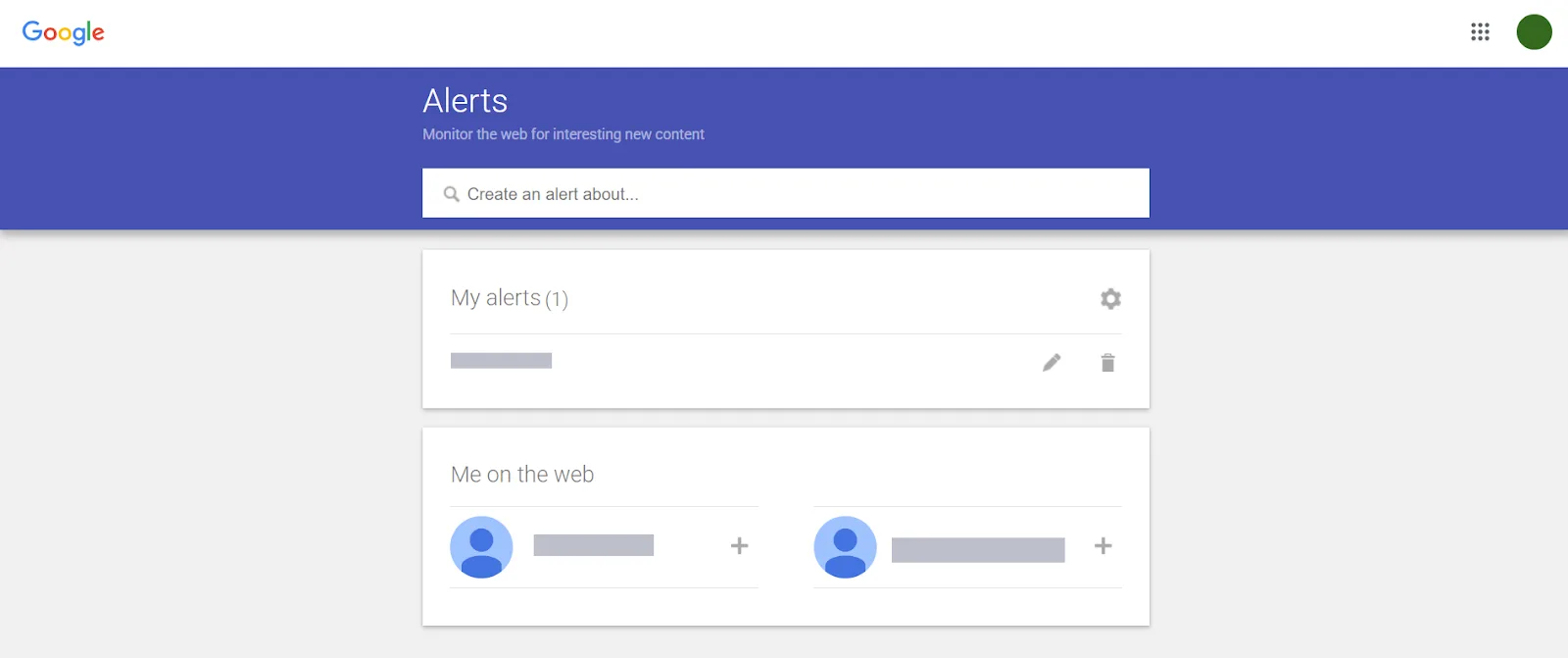
Monitor brand mentions. Set up Google Alerts or a social media monitoring tool for your target market. If someone’s discussing your content without linking to it, a friendly request often converts that mention into a real backlink.
More Tips for International Link Building
Redirect existing corporate links. If your site already has backlinks from international domains, consider redirecting them to your localized pages. Contact the webmasters and explain the benefit of updating to the local version, transferring that link equity to boost your localized content’s performance.
Press releases and media outreach. Write and distribute localized press releases for genuinely noteworthy news, launching a local office, product, or service. Write in the local language, include locally relevant data and quotes, and distribute to local media and news sites, earning backlinks while boosting your brand’s local credibility.
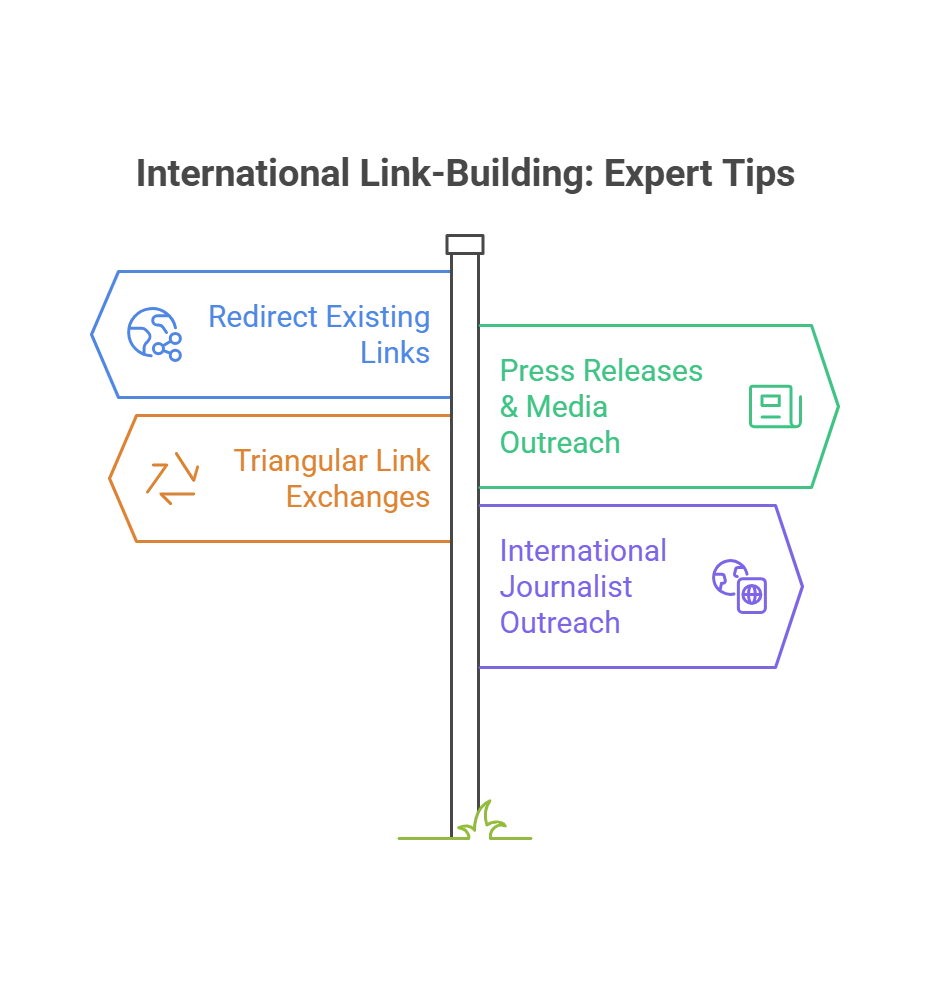
Triangular link exchanges. Rather than a simple one-to-one swap, collaborate indirectly with two or more sites, contribute a guest post to one, which links to a partner site, which links back to you. This minimizes penalty risk while building natural-looking connections.
International journalist outreach. Use a media placement tool like Qwoted to connect with international journalists seeking expert insight. Respond to relevant queries with useful data and opinions, and a featured contribution typically comes with a backlink.
Building a Global Backlink Profile
International link building takes time and consistent effort if you want sustainable growth and real global authority. Be patient, use the right tools, and keep auditing your backlink profile as it grows.
More guides for international and local SEO:
↳ How to Do International Keyword Research
↳ How to Get Local Keyword Search Volumes by City
↳ How I Do Local Keyword Research For Small Businesses
Frequently Asked Questions
What is international link building?
Acquiring backlinks from websites based in other countries or languages. It helps businesses reach global audiences, build authority across multiple regions, and improve rankings in targeted international markets, often involving content translation and collaboration with region-specific sites.
Does link building still work?
Yes, and it remains highly effective. Quality backlinks are a significant Google ranking factor, signaling authority, relevance, and trust. The focus has shifted toward fewer, high-quality links from reputable sites rather than volume, but strategic, ethical link building still consistently delivers results.
What is the purpose of link building?
To boost website authority and improve rankings by earning backlinks from other sites. Links act as endorsements, signaling trust and relevance to search engines. Effective link building drives organic traffic, increases visibility, and builds brand credibility over time.
What Google says about link building?
Google supports natural link building but strongly discourages manipulative or paid link schemes. Valuable content is expected to attract quality backlinks organically, while artificial practices like excessive link exchanges, buying links, or spam get penalized. The emphasis is on earning, not manufacturing, links.
What does a link builder do?
Identifies relevant, authoritative sites to earn backlinks from, runs outreach, builds relationships, and pitches valuable content or collaboration ideas. They analyze competitor backlinks, create linkable content, and manage acquisition campaigns to grow organic rankings, referral traffic, and site authority ethically.