


Google prefers quality backlinks over quantity now more than ever.
When I started out in SEO, getting as many backlinks as possible was enough. Today, one high-quality backlink can easily outweigh a dozen mediocre ones. Here’s exactly how I check backlink quality so you can build a healthy link profile that actually helps your rankings.
What Exactly Is a Quality Backlink?
A quality backlink is one that brings real SEO value to your site, which makes it somewhat subjective. But generally, quality backlinks share these traits:

↳ It’s placed naturally in relevant context, within the main content area, not buried in a footer or sidebar.
↳ It brings meaningful referral traffic, visitors genuinely interested in your content who engage with it (and ideally convert).
↳ The linking domain has high authority, telling Google that a reputable site trusts you.
↳ The anchor text is natural, describing your content accurately without feeling forced.
↳ It’s “dofollow.” Ideally, at least, though nofollow links still have value, they can bring relevant traffic even without passing SEO weight.
↳ The linking content is genuinely relevant to your site and closely related to what you publish.
How to Check a Backlink’s Quality, Step-by-Step
1. Check the Referring Domain’s Authority Score
The first thing I look at is the authority of the site linking to mine. Domain authority reflects how credible Google considers a website.
I use Semrush for this. Open Domain Overview, enter the linking domain, hit Search.
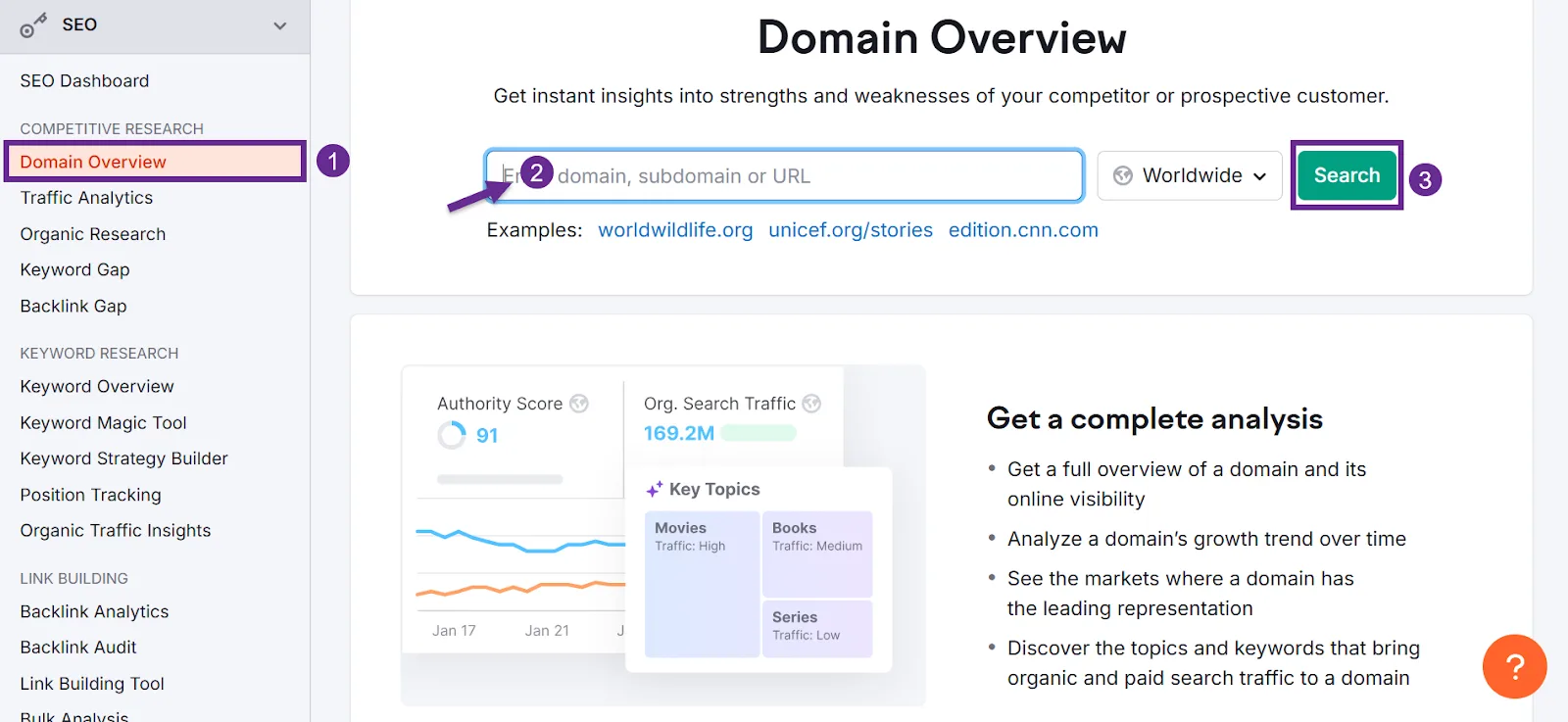
The Authority Score sits right at the top of the report.
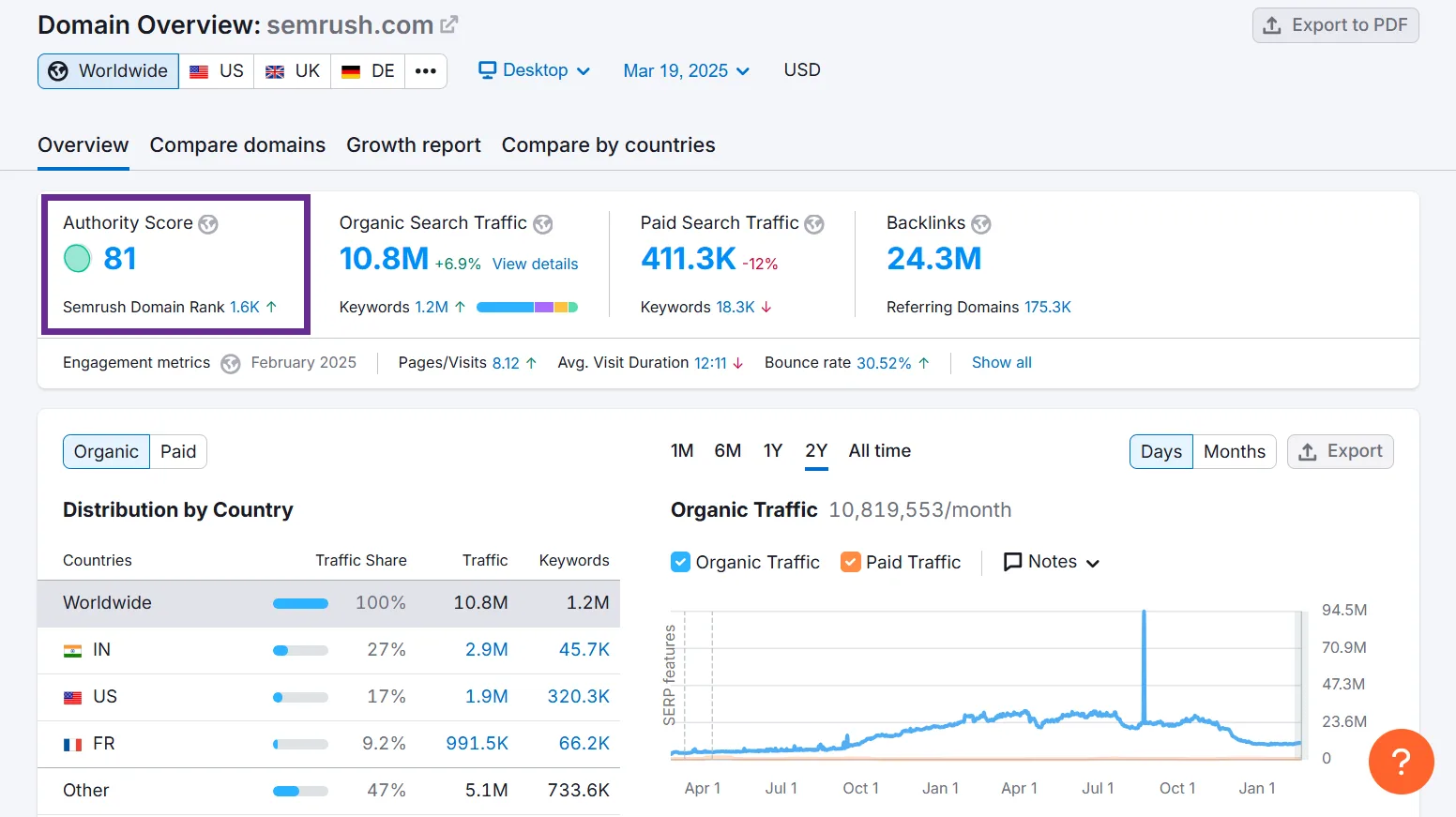
Anything over 60 is great. 40 or higher is still good. Below that, scrutinize the link more closely, check whether the domain looks spammy or suspicious. But don’t discard every low-authority link outright, sometimes a legitimate, contextually relevant link from a low-DR site still carries real SEO value and brings in genuine traffic.
Beyond the score, I do a few qualitative checks too: does the site look reputable in a general Google search? Any news coverage? Does the layout look professional, a good UI is usually a decent proxy for legitimacy. Social media presence tells you a lot too.
2. Make Sure the Backlink Is Highly Relevant
Relevance matters. Google weighs backlinks from relevant sites more heavily since they signal a real industry endorsement.
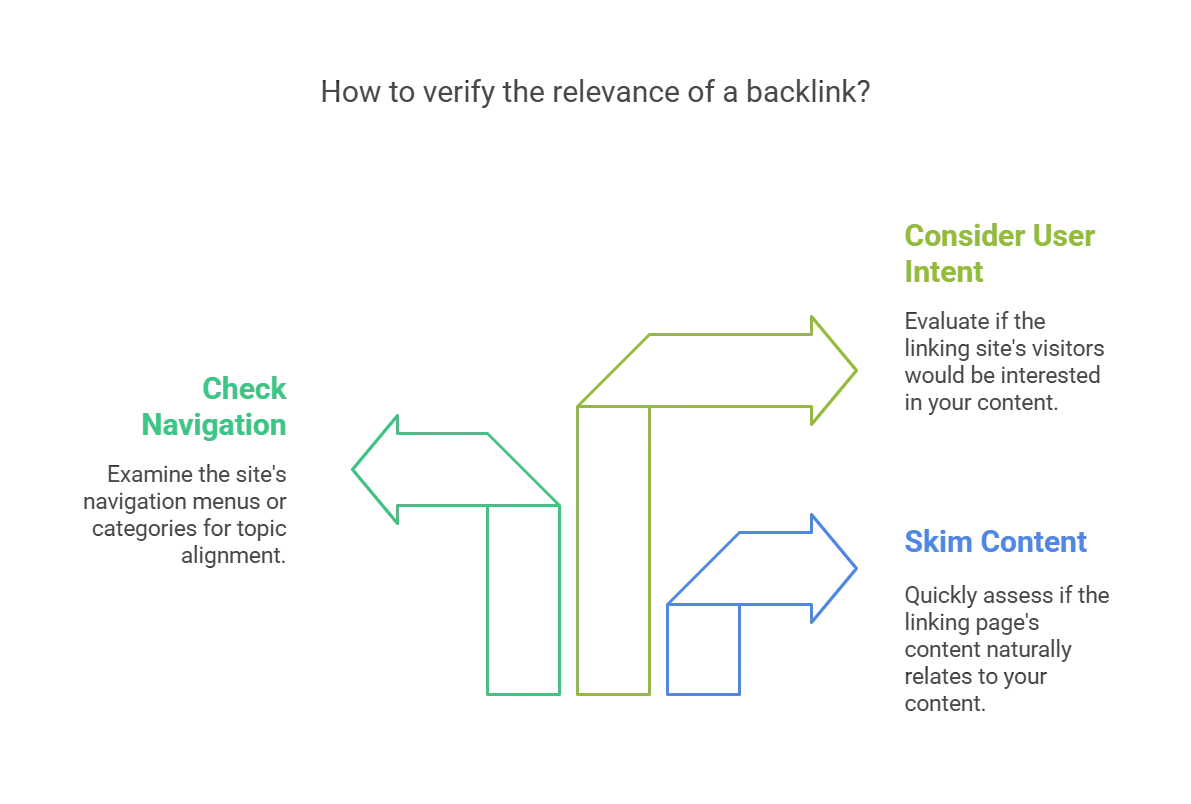
↳ Visit the linking page and skim it, does it naturally relate to your content?
↳ Check their navigation menus or site categories for topic alignment.
↳ Consider user intent, would that site’s visitors actually care about your content? If not, the link is probably low quality.
A gardening site linking to a page about gardening tools is highly relevant. A random tech blog linking to a medical supply site is not.
3. The Anchor Text Should Be Natural and Accurate
Anchor text gives Google context about what’s being linked to.

Check whether it accurately describes the linked page. If it does, good sign. Avoid overly optimized anchor text too, repetitive exact-match keywords read as unnatural and risky. Ideally you’ll see a healthy mix:
↳ Brand names (“YourBrand”)
↳ Generic terms (“click here,” “read more”)
↳ Descriptive keyword phrases (“best gardening tools”)
4. Aim for Contextual Link Placement
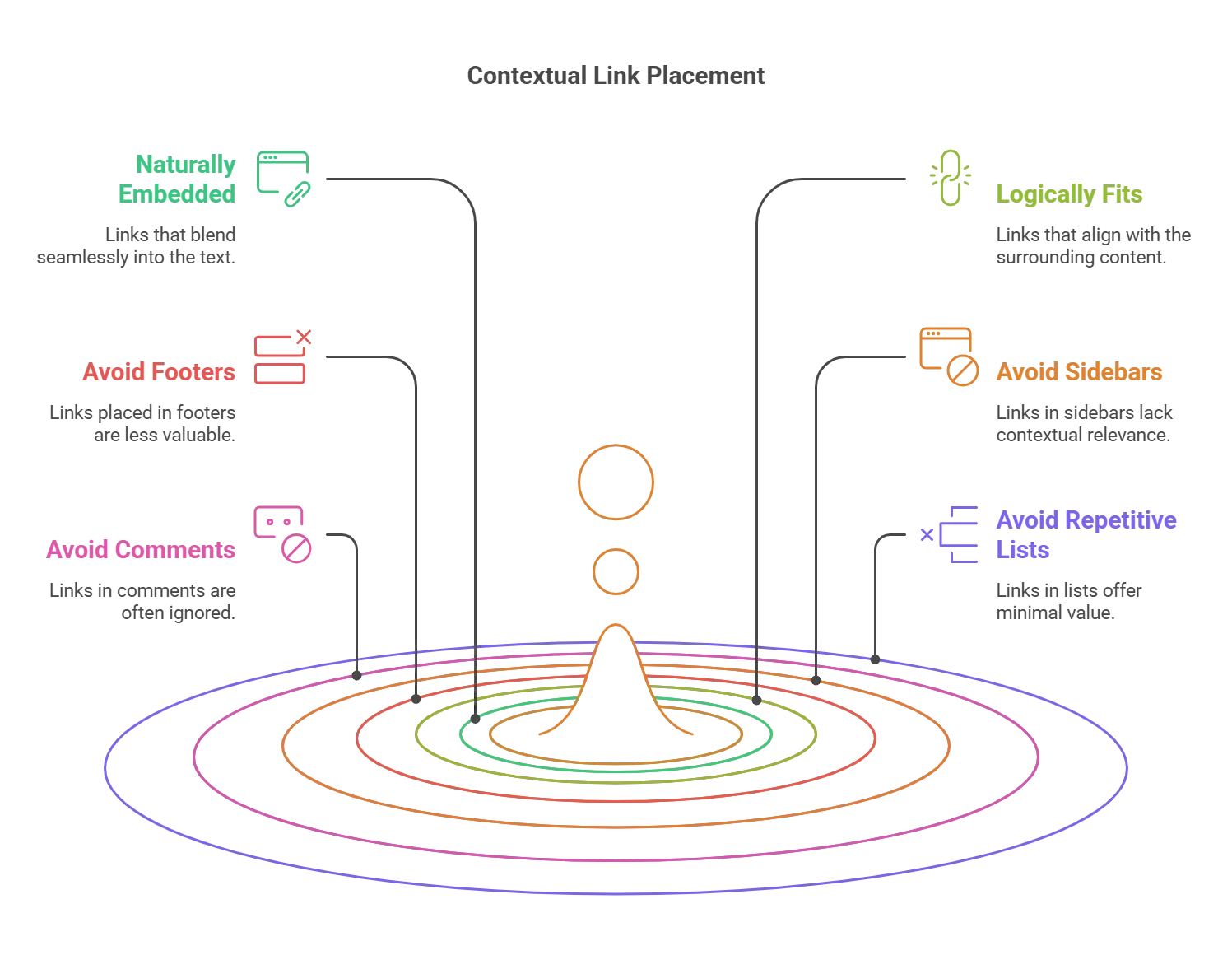
Links placed within the main content area carry more weight because they’re more contextually relevant, and readers are more likely to click something embedded naturally in what they’re reading than a link tacked onto a list or footer as an afterthought.
Ask yourself:
↳ Is it naturally embedded within the text?
↳ Does the placement logically fit the surrounding content?
Be wary of backlinks appearing in:
→ Footers
→ Sidebars
→ Comment sections
→ Repetitive lists or directories
Placement like that usually signals the link exists just for the sake of existing, with no real value behind it.
5. Check If the Link Drives Meaningful Referral Traffic
Backlinks shouldn’t just exist for vanity SEO metrics, they should expose your site to a wider, genuinely interested audience. A good backlink helps rankings and brings relevant visitors.
To check this, go to Google Analytics > Business Objectives > Traffic Acquisition, then check Session Source/Session Medium for the specific referring site.
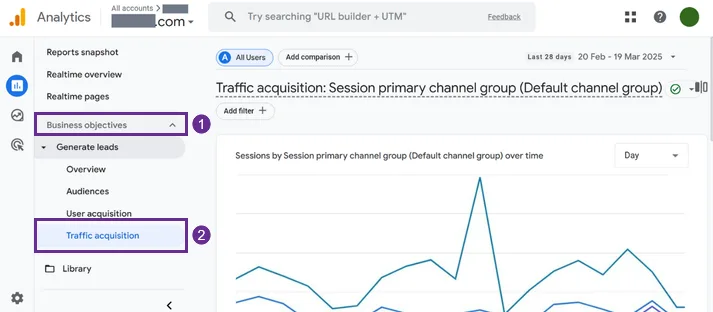
Check engagement metrics too, bounce rate, pages per session, average session duration. If referral visitors bounce fast (80%+), the linking site’s audience probably doesn’t match yours, a sign the backlink is lower quality than it looks.
6. Look at Link Attributes (Follow vs. Nofollow)
Dofollow links pass SEO value and directly help rankings. Nofollow links don’t pass SEO value but can still bring visitors and diversify your backlink profile.
To check, right-click the link and select Inspect, then look for rel="nofollow", rel="sponsored", or rel="ugc".
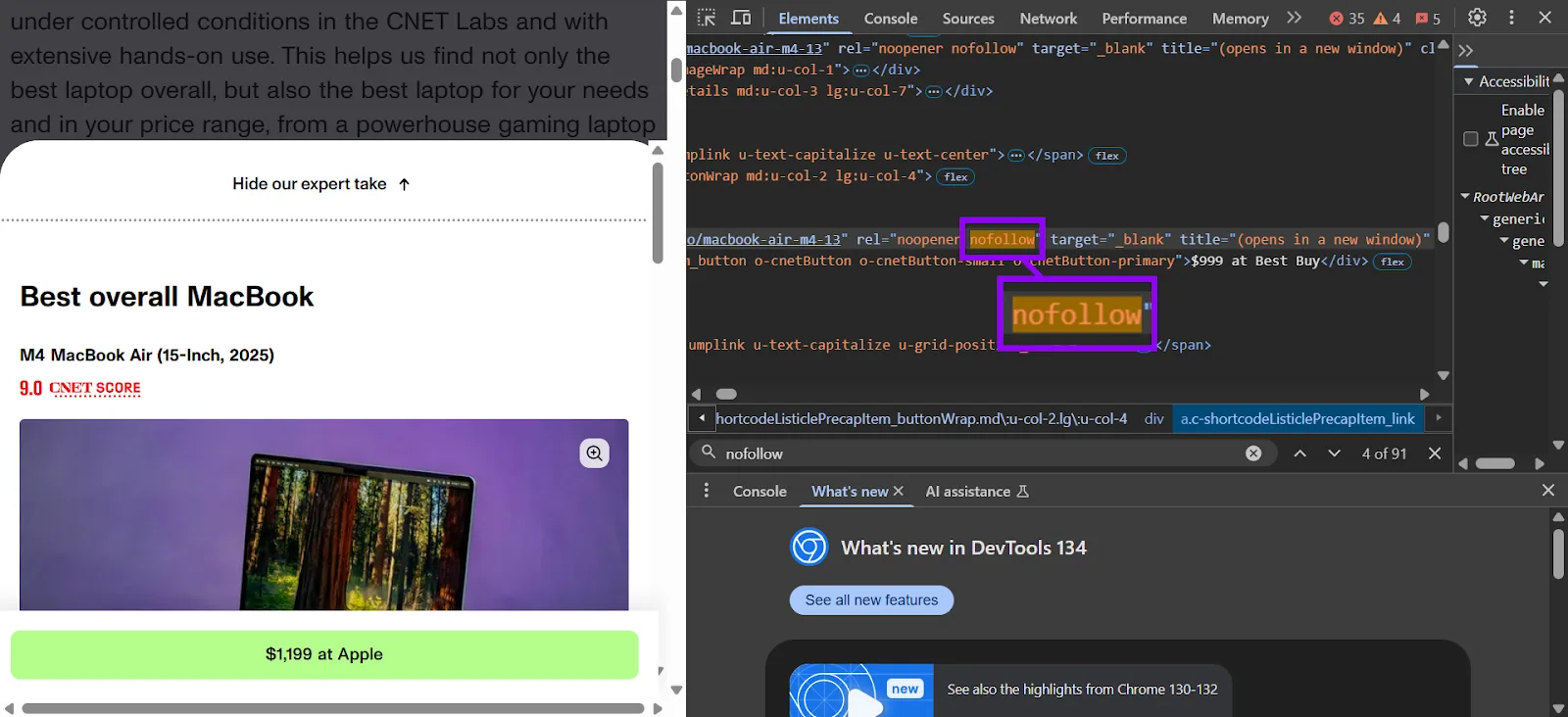
Sponsored links explicitly indicate paid placements. UGC marks links created by users rather than editors. Both have their place, but editorially placed dofollow links are what actually offer the most SEO value.
7. Identify and Address Toxic Backlinks Immediately
Toxic backlinks can genuinely hurt your SEO. They typically come from:
↳ Unrelated content or foreign-language sites unconnected to your niche
↳ Excessive exact-match anchor text
↳ Low-quality, spammy websites
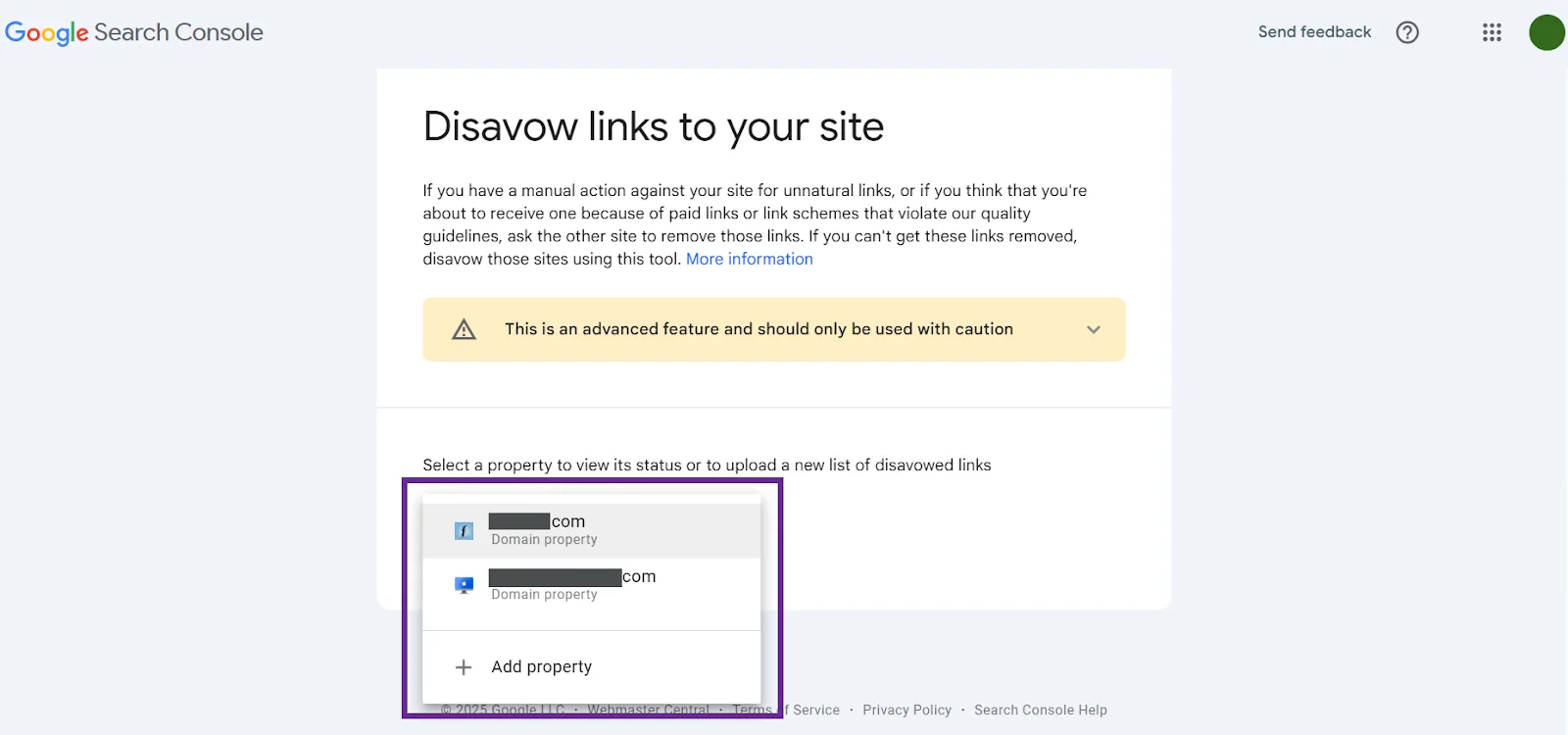
If you find one, drop the domain or URL into a .txt file and submit it through Google’s Disavow Tool in Search Console (make sure you’ve selected the correct property first).
How to Get More Out of Your Backlink Quality Checks
↳ Analyze competitors’ backlink profiles. I regularly review competitor backlinks for opportunities. Semrush’s Backlink Gap tool makes this easy, enter your domain plus your competitor’s, it’ll even suggest relevant competitors (pick up to four), and click Find Prospects.
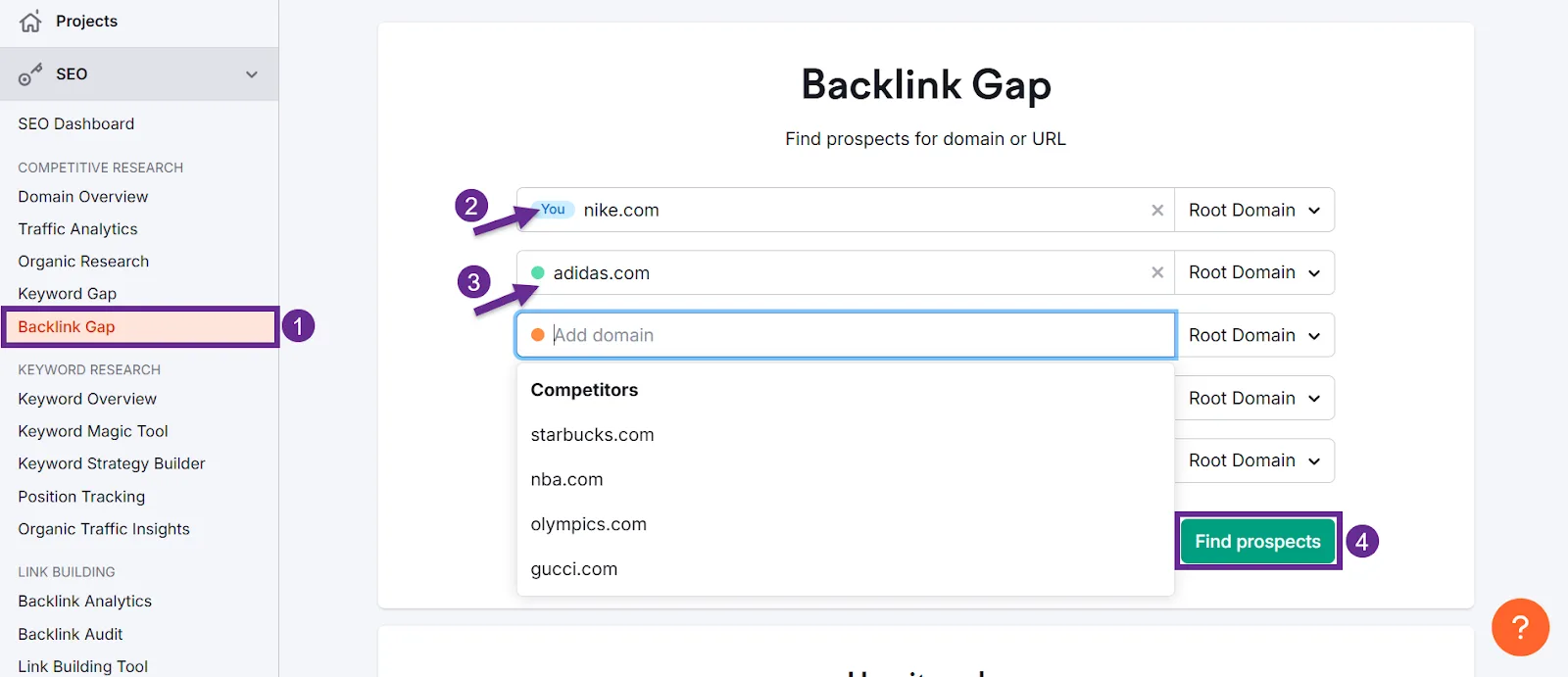
You’ll get every domain referring to competitors but not you, along with Authority Score and estimated Monthly Visits. Note the domains with high AS and traffic worth approaching later, as long as their content is genuinely relevant to yours.
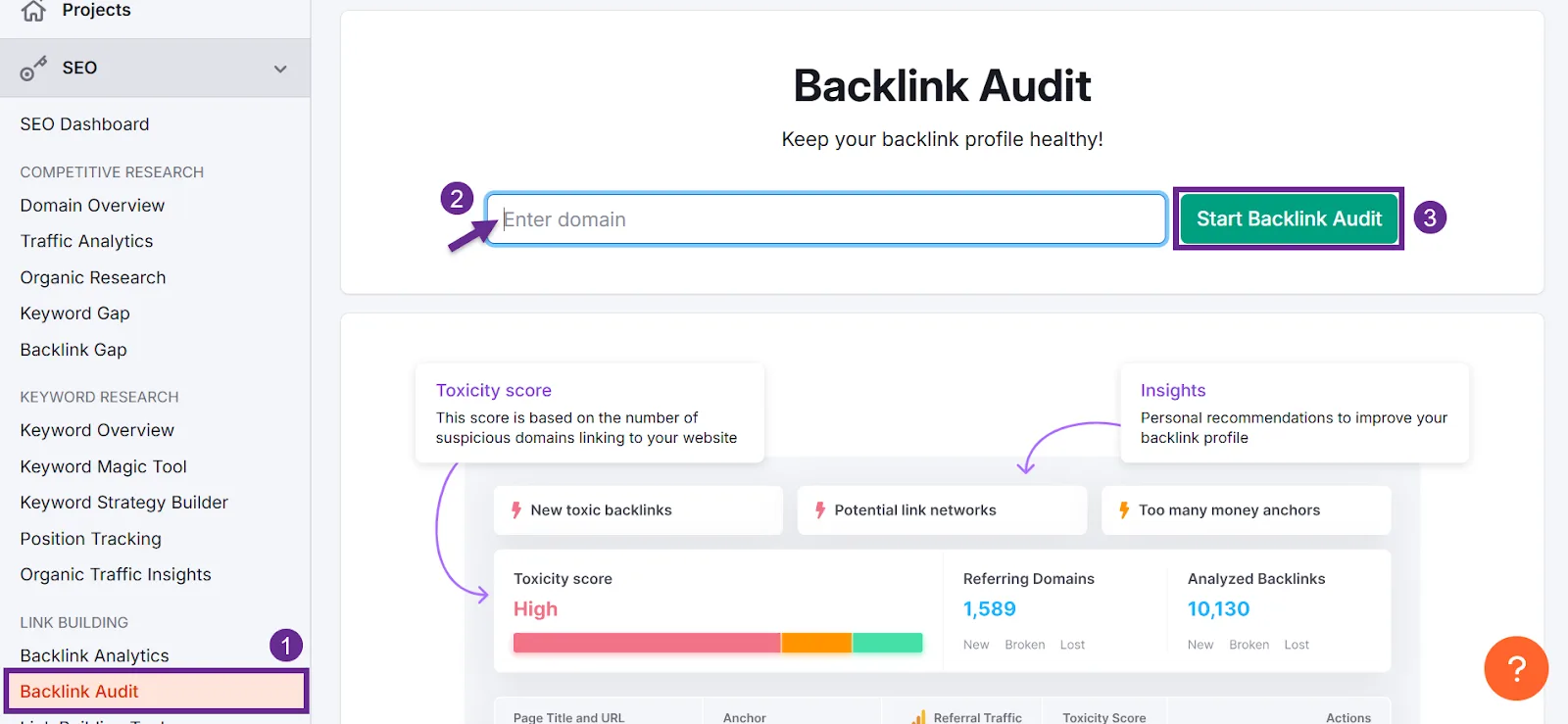
↳ Monitor historical trends. Track your backlink profile’s growth or decline consistently. Sudden spikes or drops flag either an opportunity or a problem, review your profile monthly or quarterly to keep it healthy. Semrush’s Backlink Audit Tool gives you a comprehensive report quickly.
↳ Consider the content quality of linking pages. Good, relevant content on the linking page usually means a valuable backlink. Poor content often means low value, or worse, a toxic link worth removing.
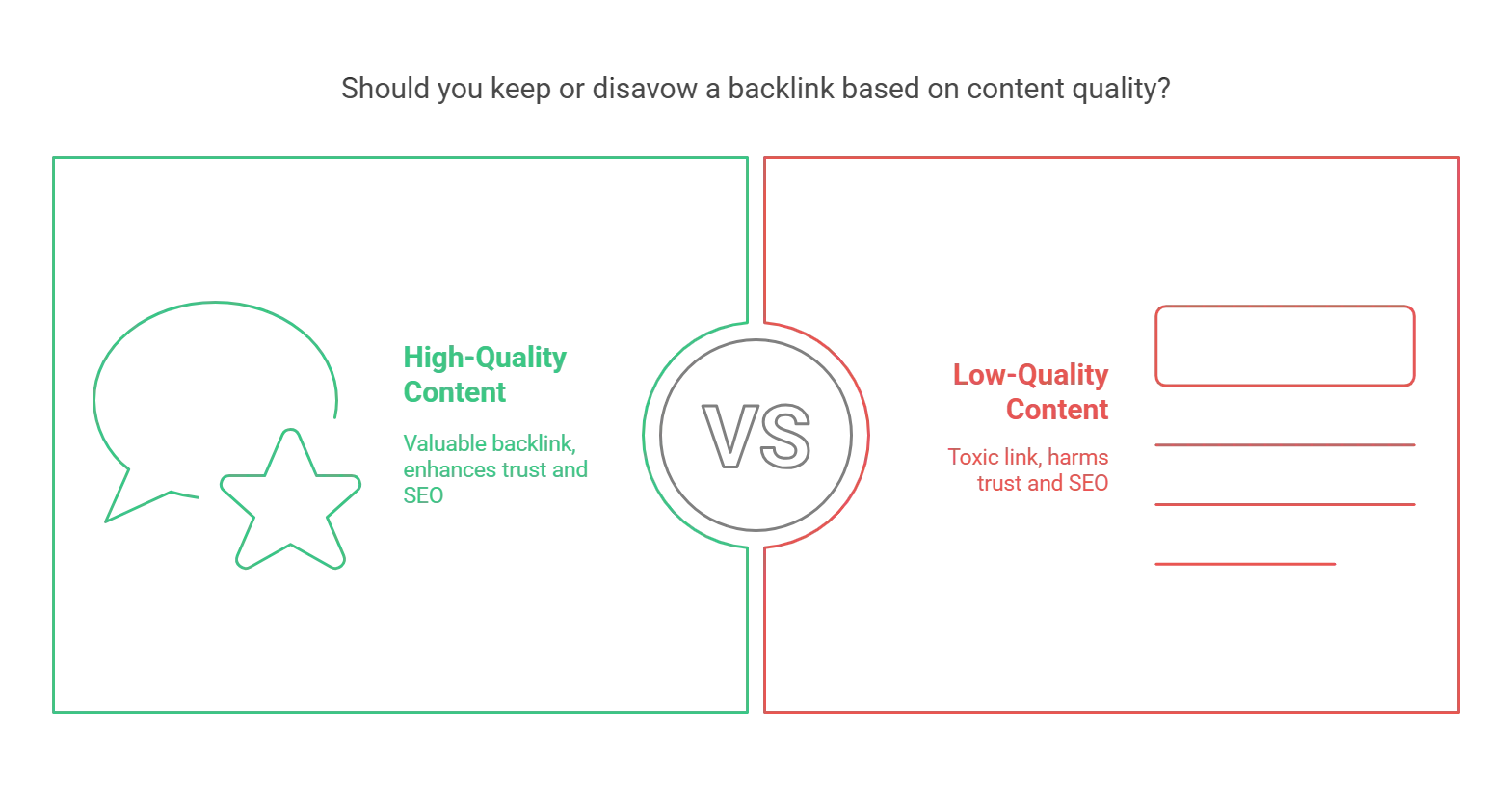
Beyond the SEO angle, you also just don’t want to be associated with low-quality content. Would you trust, or click, a link buried in a poorly written article? Keep that in mind and act accordingly.
↳ Always choose quality over quantity. One high-quality backlink with natural anchor text from a relevant, high-authority domain outweighs a dozen weak links. Chasing quantity instead can lead straight to penalties, it’s not really a close call.
↳ Don’t ignore nofollow links. They won’t directly move your SEO, but they still send visitors, diversify your profile, and make your link profile look more natural to Google.
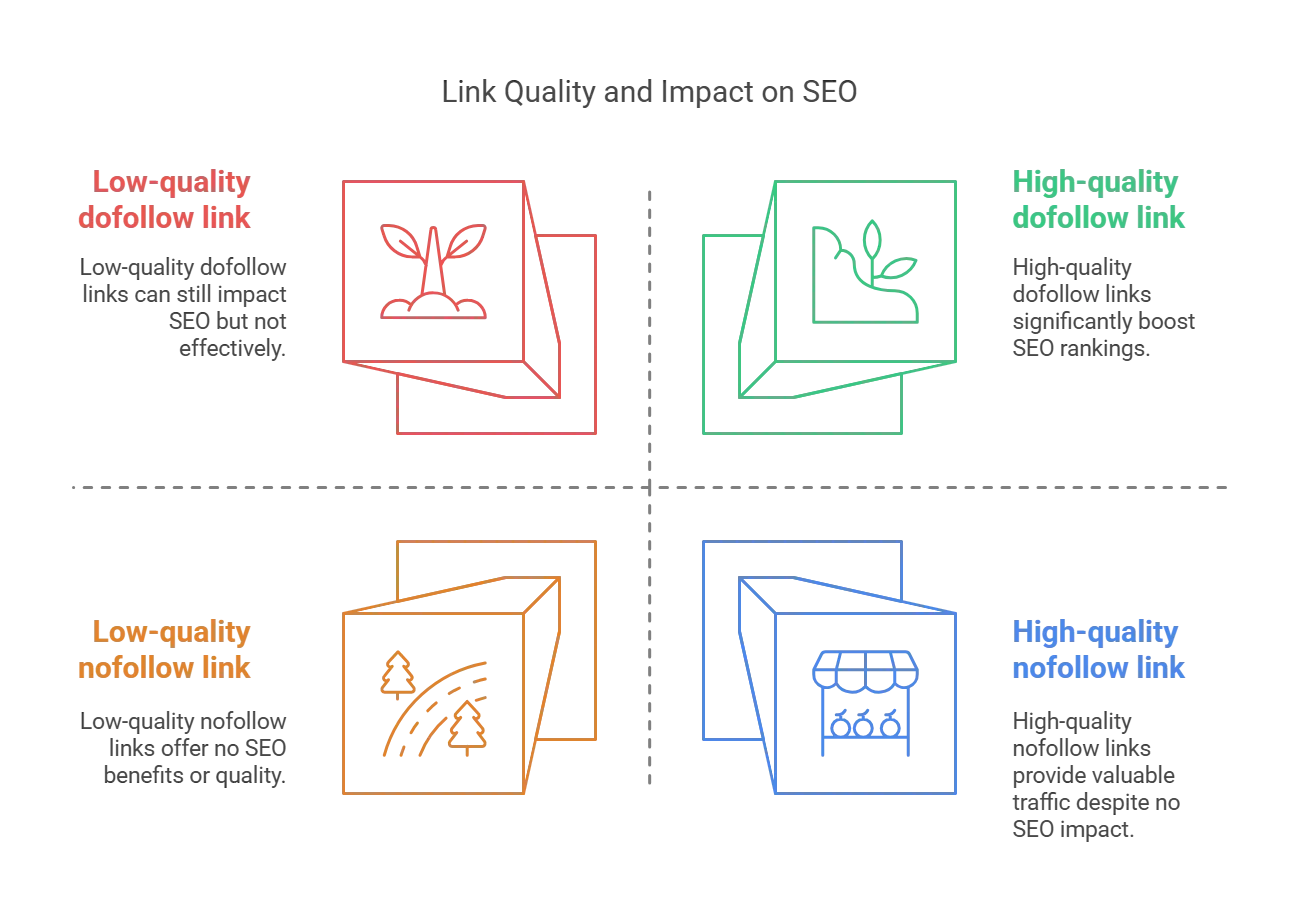
That said, if you spot low-quality links from obviously spammy domains bringing zero targeted traffic, disavow them.
↳ Audit your backlinks regularly. It can feel intimidating, but it’s essential for a healthy profile. Aim for at least a quarterly audit, catching and removing toxic links before they hurt your rankings.
All About Checking Backlink Quality
A strong backlink profile doesn’t happen overnight. Consistent checks and maintenance are what build genuine, high-quality backlinks that actually move your rankings and drive real growth.
Understanding key link building metrics helps you judge backlink quality more precisely too, and regularly monitoring your backlinks with the right tools keeps your profile clean.
A few more guides worth checking out:
↳ 5 Best Haro Alternatives to Get Media Placements
↳ How to Do Keyword Gap Analysis
↳ How To Steal Your Competitors’ Keywords By Analyzing Their Website
Frequently Asked Questions
Are Web 2.0 backlinks good?
Yes, when used correctly. Web 2.0 backlinks, built on platforms like WordPress or Blogger, offer good SEO value because you control the content and anchor text, aiding relevance. Overusing them or relying solely on low-quality Web 2.0 sites can look manipulative though, balance them with diverse, high-quality backlinks.
What are tier 1, 2, 3 backlinks?
In tiered link building, Tier 1 backlinks point directly to your site and are high-quality. Tier 2 backlinks link to your Tier 1 sources, boosting their authority. Tier 3 backlinks support Tier 2, further reinforcing the hierarchy and amplifying link juice down the chain.
How many backlinks are good for SEO?
Quality matters more than quantity. A handful of high-quality, relevant backlinks from authoritative sites can meaningfully boost SEO. Don’t chase raw numbers, aim for backlinks that provide genuine value and relevance for sustainable, lasting improvement.
How often should I perform a backlink audit?
Quarterly or semi-annually at minimum. Regular audits help you catch and address toxic or low-quality backlinks promptly, keeping your SEO aligned with search engine guidelines.
Can low-authority backlinks ever be beneficial?
Yes, especially from niche-relevant sites. They can drive targeted traffic and add diversity to your profile. Prioritize high-quality backlinks overall, but treat low-authority, relevant ones as a useful supplement rather than something to dismiss outright.
How long does it take for Google to recognize changes from disavowing backlinks?
A few weeks, generally, though it varies. Be patient and monitor your site’s performance during that window to gauge the impact of the disavow on your metrics.
What tools are best for checking backlink quality?
Semrush makes it easy with Backlink Analytics, Backlink Audit, and Bulk Analysis. Ahrefs offers comprehensive backlink analysis with the largest, most current backlink database. Moz provides link quality and spam score insights. Pick based on your specific needs and budget.
Do internal links affect my backlink quality?
No, internal links don’t impact external backlink quality directly. They do matter for SEO overall though, improving navigation and distributing link equity across your pages. A well-structured internal linking strategy helps both users and search engines understand your site’s hierarchy.
Is it okay to ask websites to remove backlinks rather than disavowing them?
Yes, reaching out to webmasters directly is a solid first step. If that doesn’t work, use Google’s Disavow Tool as a backup. Combining both approaches keeps your backlink profile cleaner and protects your site’s SEO health.
Should I disavow all links marked as “nofollow”?
No. Nofollow links don’t pass SEO value, but they can still drive traffic and diversify your profile. Focus your disavow efforts on toxic or spammy dofollow links instead, and keep your overall backlink profile natural and varied.
What exactly is a toxic backlink and how do I confidently identify one?
A toxic backlink comes from a low-quality, spammy, or irrelevant site and can actively harm your SEO. Assess the linking site’s authority, relevance, and trustworthiness, tools like Semrush and Ahrefs help flag these. Regular audits ensure you catch and remove them before they cause damage.