


HARO was “the” tool for media backlinks for the longest time.
Now that it’s shut down, you’re probably wondering what to do next.
HARO did the job, but it was highly competitive, and honestly, I got tired of the irrelevant queries too. I’ve tried a lot of HARO alternatives over the years, here are my favorites for media outreach and link building.
My Top Favorite HARO Alternatives in 2025
1. Qwoted – Connect with Journalists in Real Time
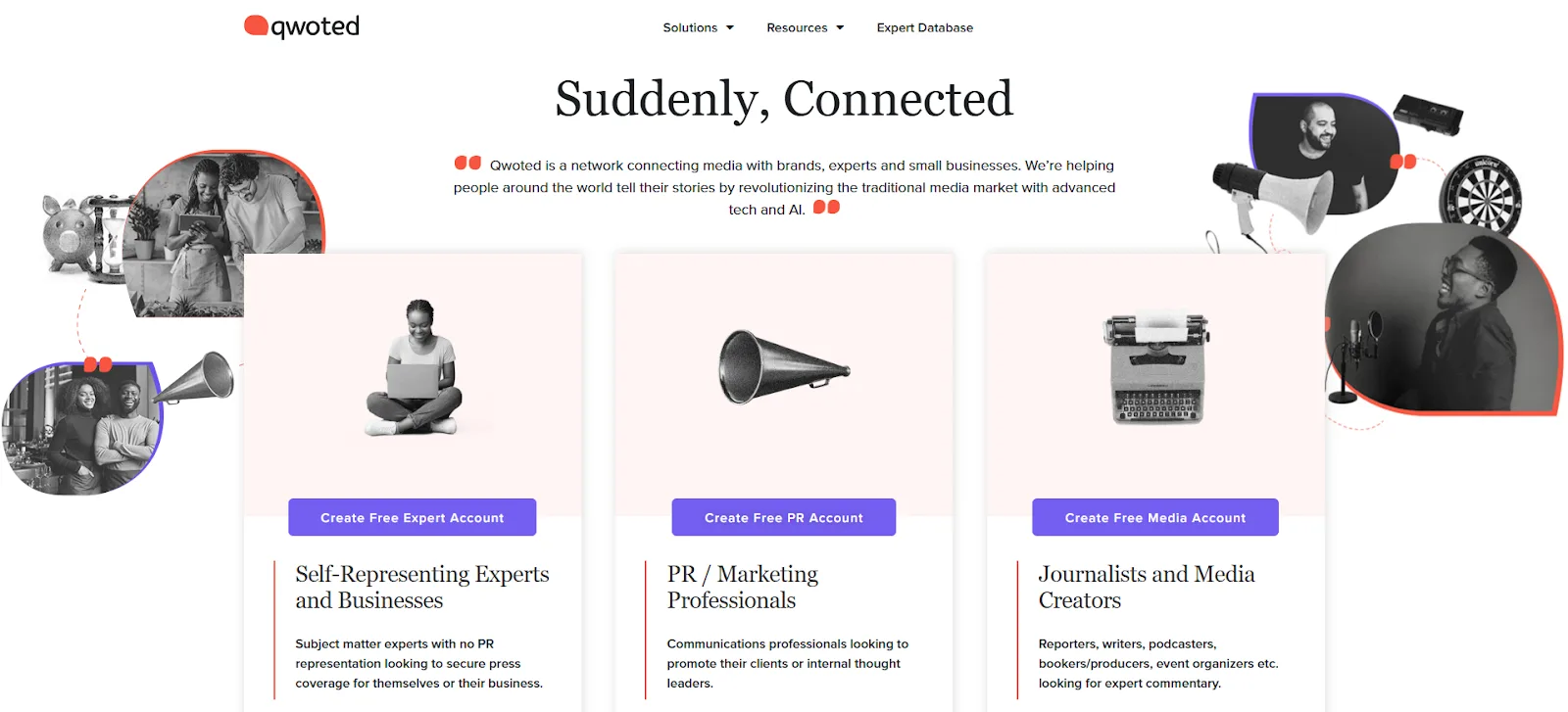
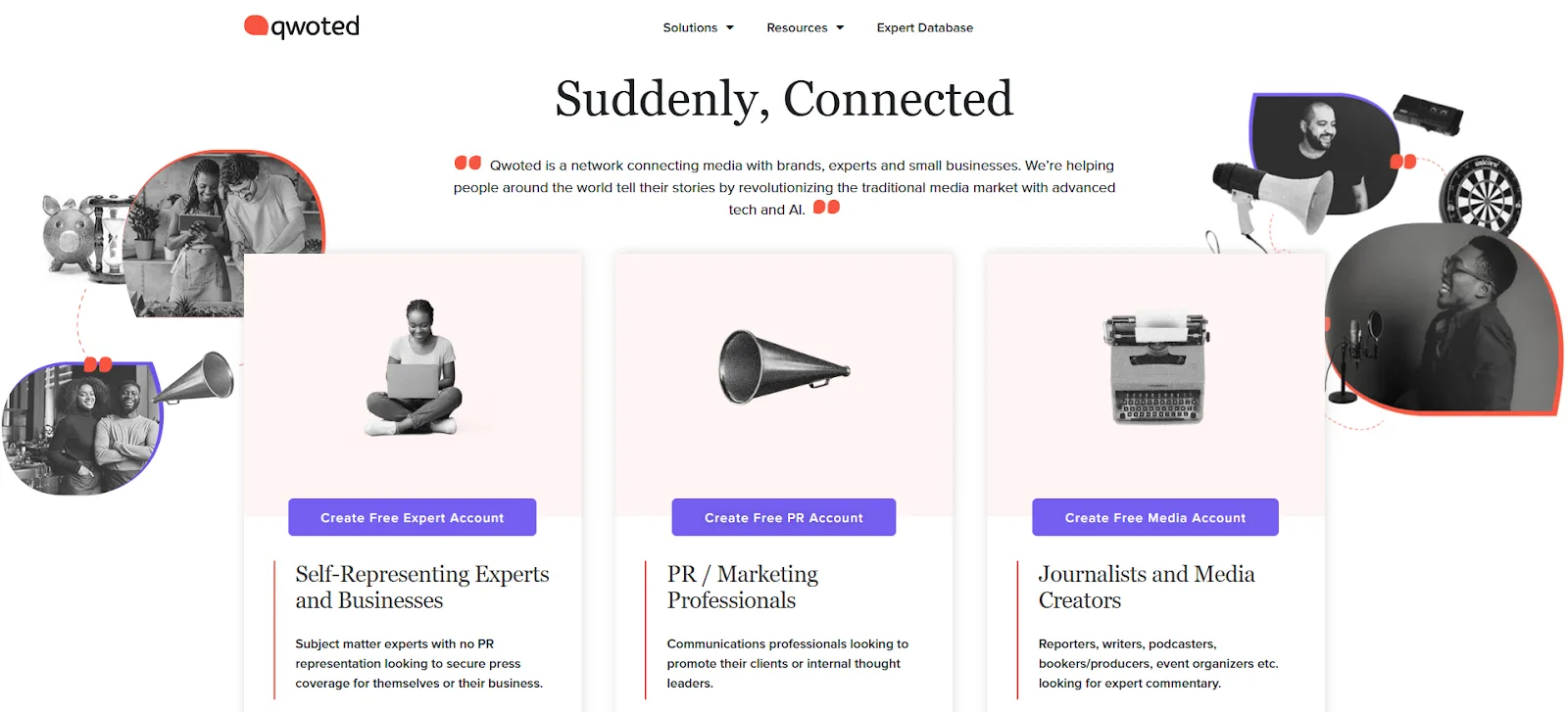
Qwoted is like LinkedIn for PR, reporters post what they need, and if it falls within your expertise, you respond.
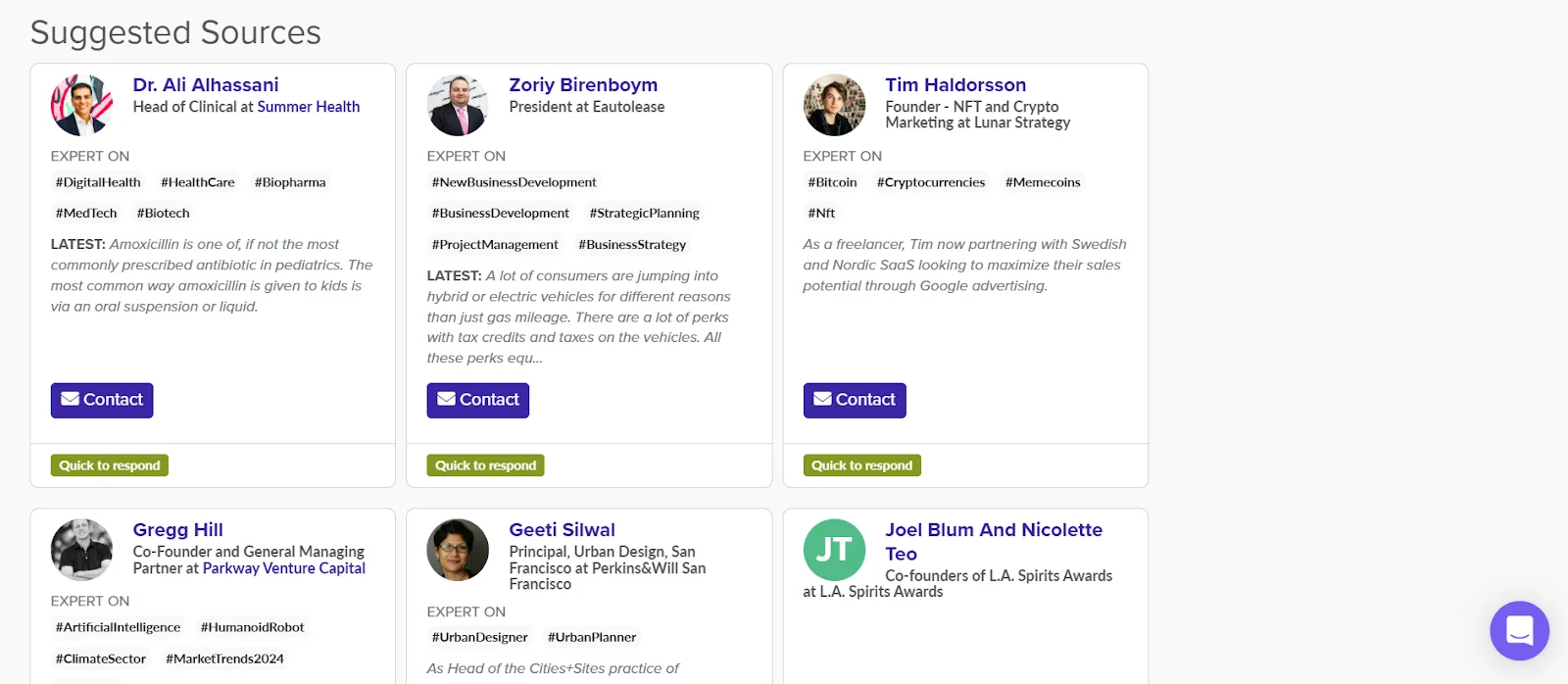
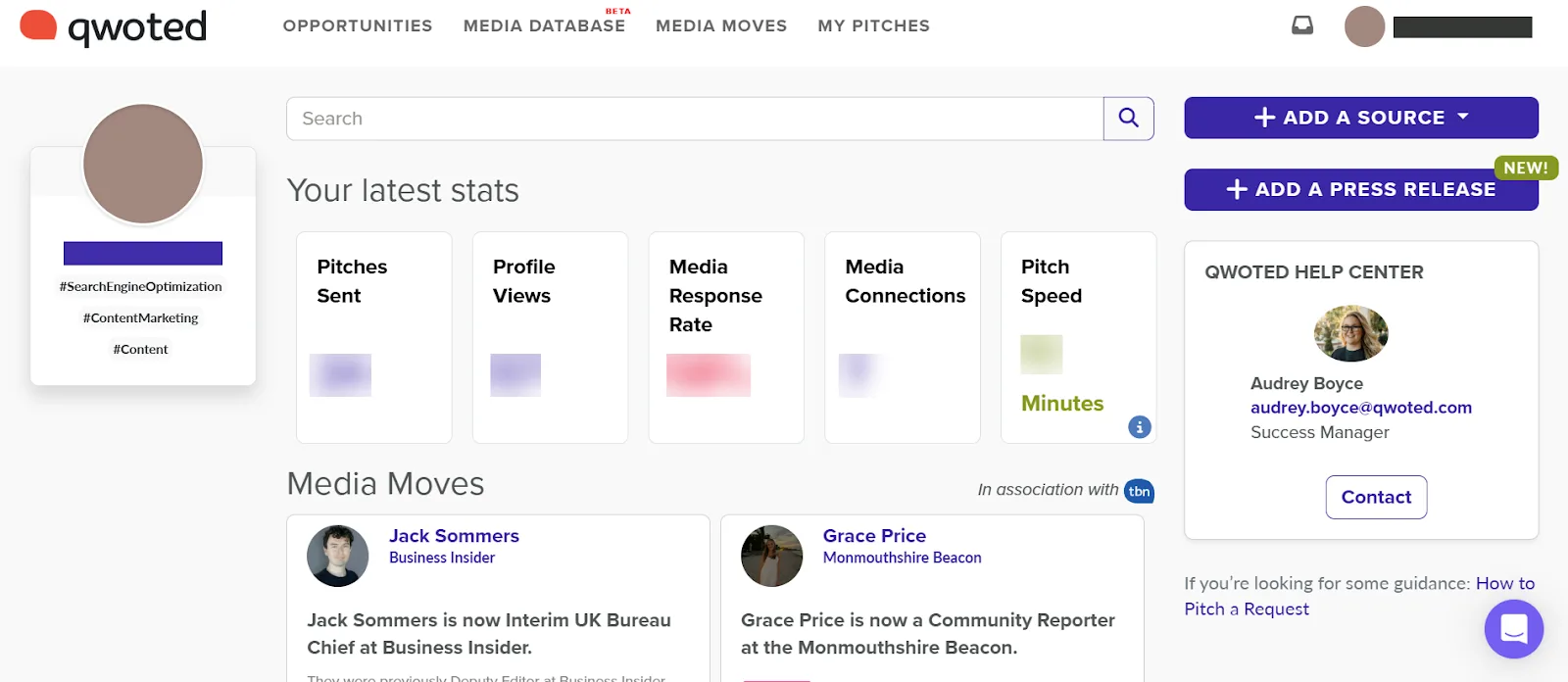
Instead of blasting out emails, Qwoted surfaces relevant opportunities right on your dashboard. You can set alerts or just browse the feed by topic.
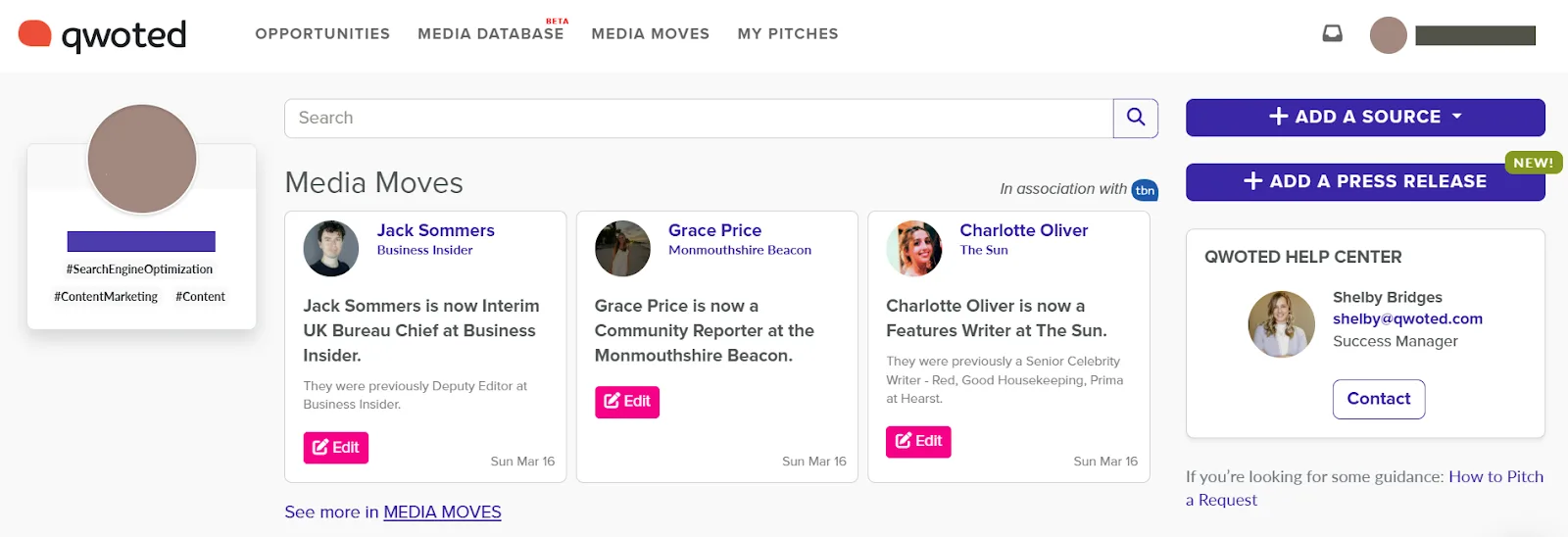
It also notifies you the moment a writer likes your pitch, a lot quicker than HARO’s old email system.
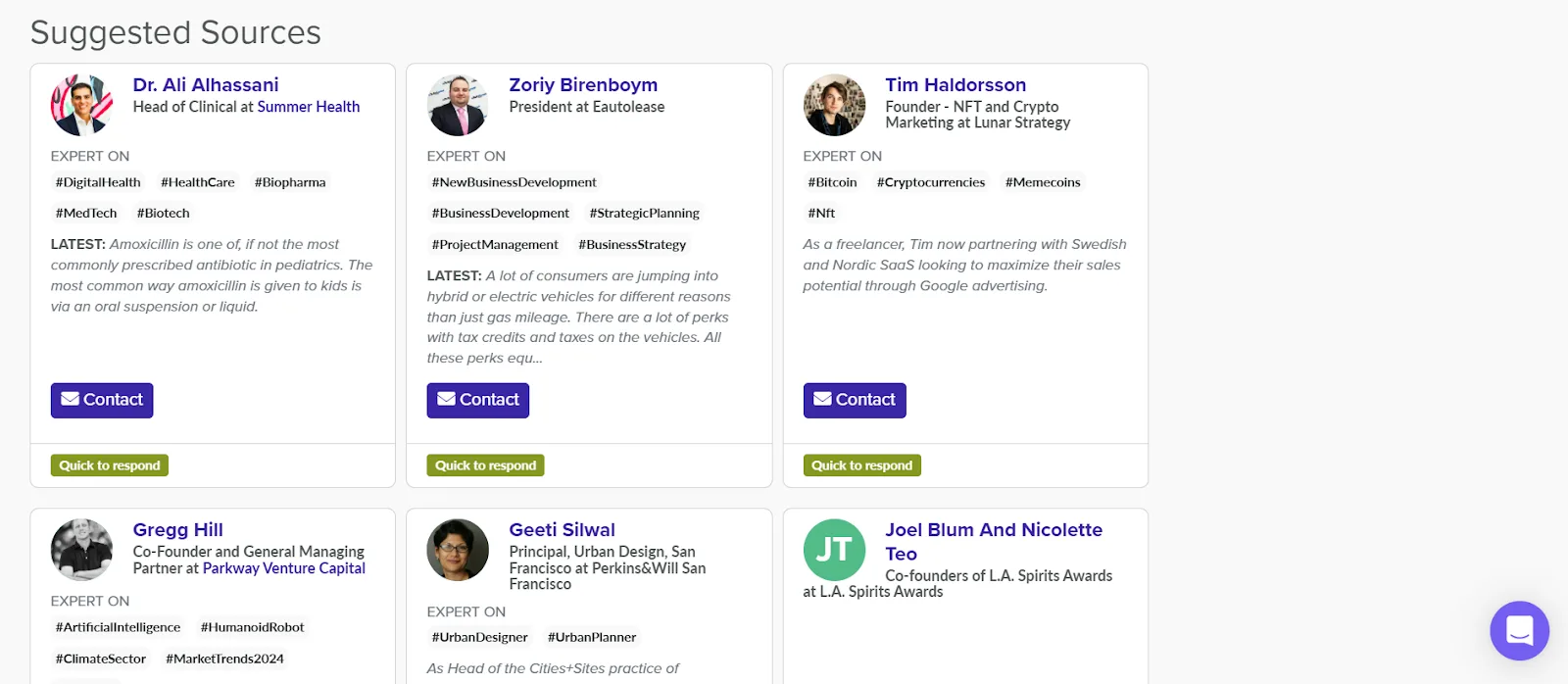
Qwoted offers different account types for self-represented experts, PR/marketing pros, and journalists. As an expert or PR user, you can browse live media opportunities and pitch with a click.
You can start for free, up to 3 pitches per month, not a lot, but enough to test the waters. Paid plans run a Pro tier at $99/month, plus a Teams plan priced by need.
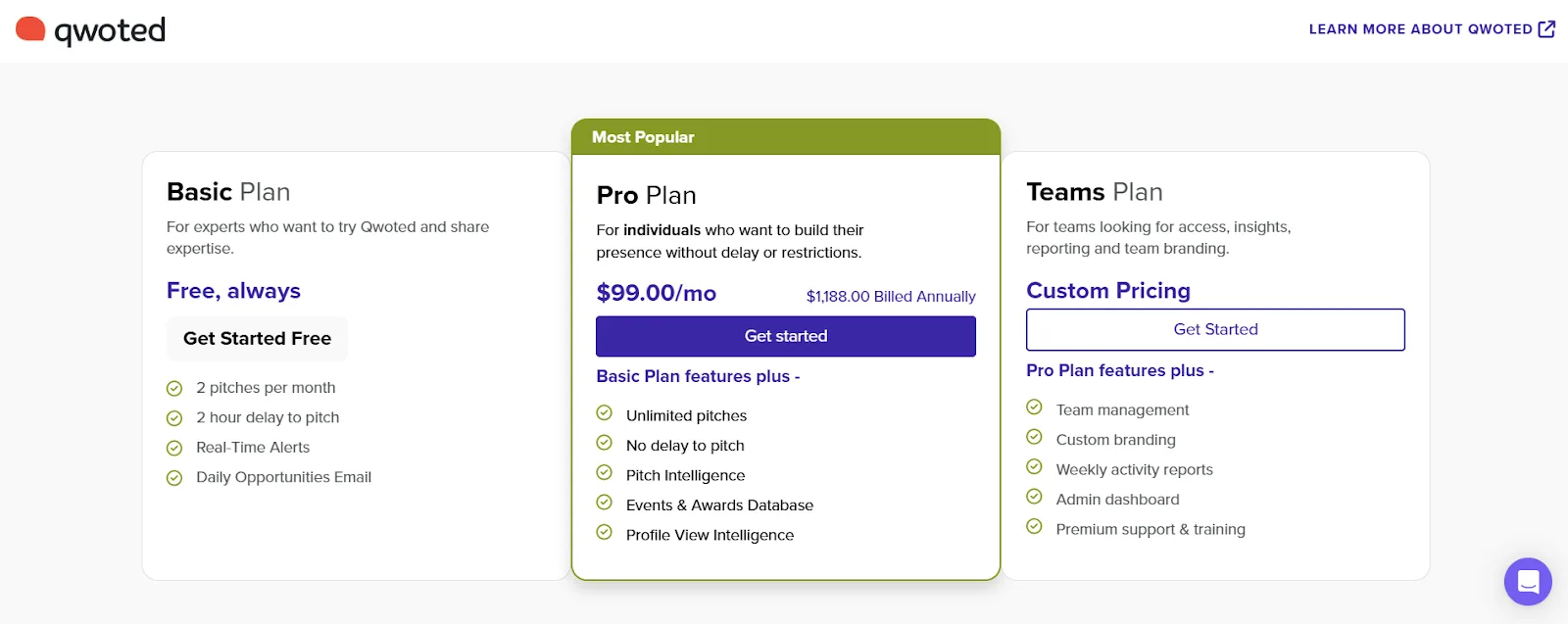
If you don’t do media outreach often, the paid plan probably isn’t worth it. If you do it a lot, it’s a genuinely curated, smart alternative to HARO.
| Pros | Cons |
|---|---|
| Curated platform, fewer irrelevant pitches | Free plan caps you at 3 pitches per month |
| Direct in-platform pitching is efficient | Paid plans start at $99/month |
| Journalists can acknowledge pitches, real-time feedback | Limited free features for active PR campaigns |
| Active users can rank on a “Top 100 PR” leaderboard |
2. SourceBottle – International Query Platform

If you want a HARO alternative with global reach, especially useful if your target media includes Australia or Asia-Pacific, check out SourceBottle.
It’s similar to HARO in spirit: a free service where journalists and bloggers post “call outs” for sources, and you respond to get featured.
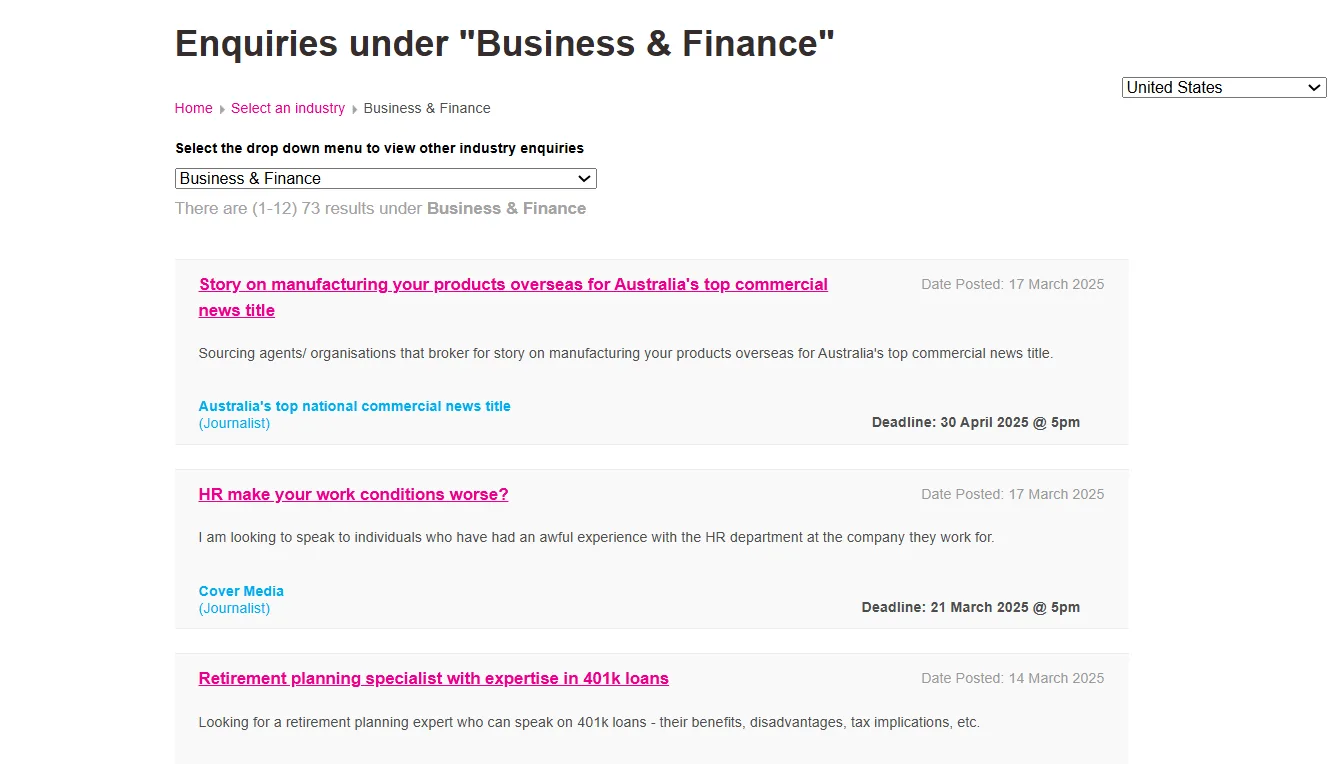
You can browse call-outs directly or just wait for email alerts. I like being able to filter by industry or country, if your business only operates in the US and UK, you can filter down to call-outs from just those regions.
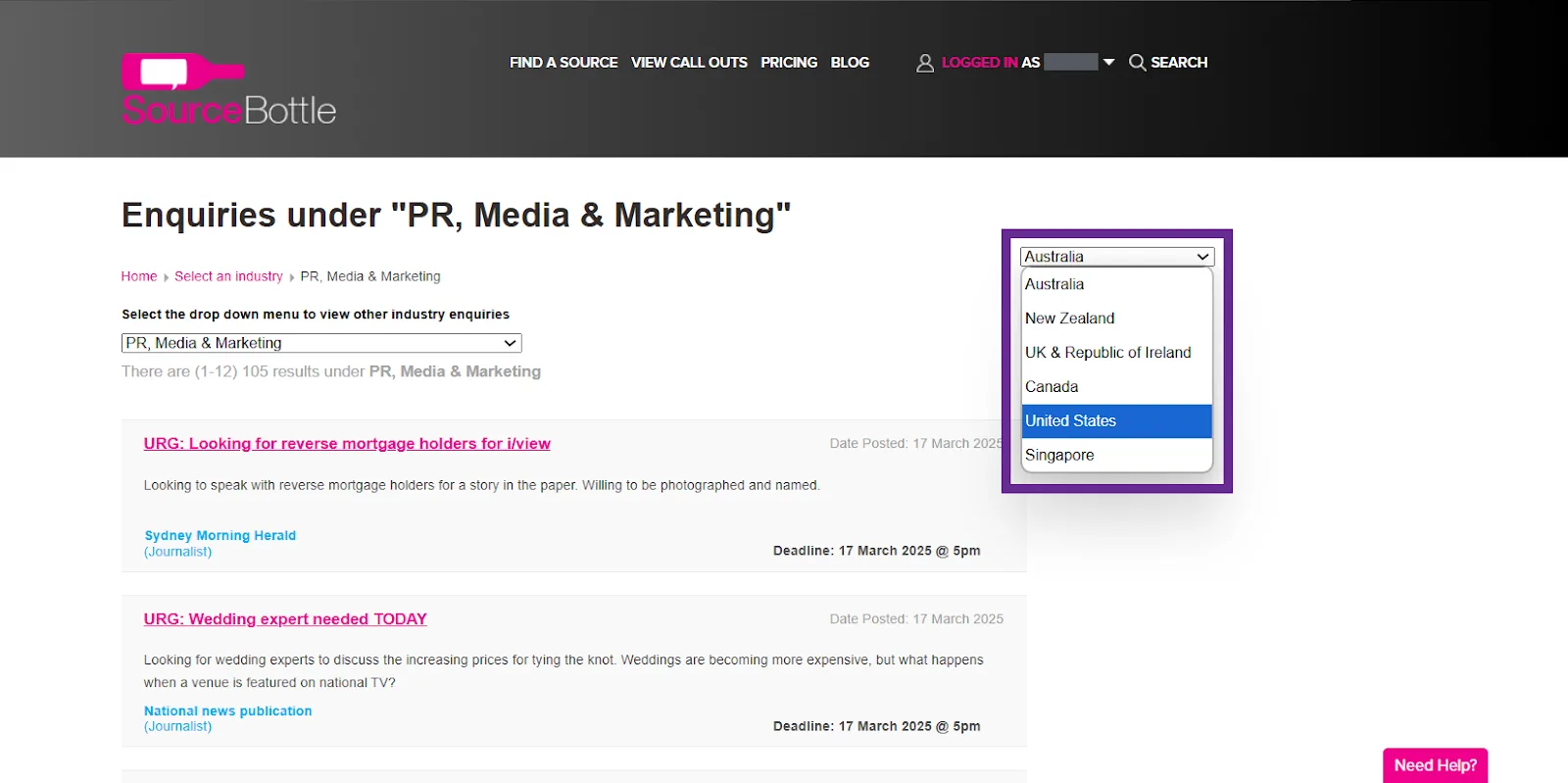
You can also pay a small fee to create a profile in their expert database, so journalists find you even without responding to a specific query.
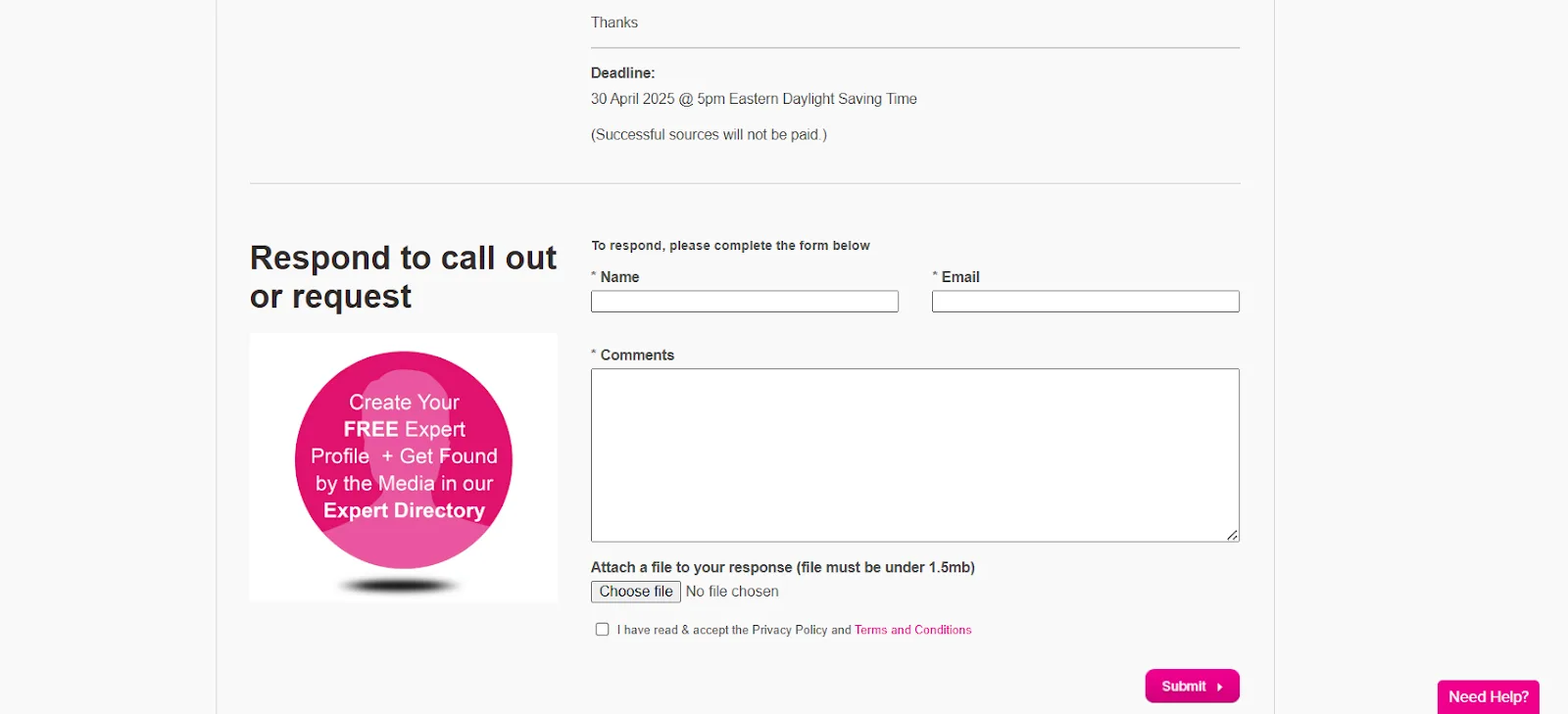
The request mix is broad, press quotes, but also influencer features, product mentions, and guest contributions. Queries tend to feel a bit more informal or community-driven than traditional media requests, likely because plenty of bloggers use it alongside journalists.
You can even post giveaways or product samples for bloggers to feature, useful if you run an eCommerce business, though that costs $25/month.
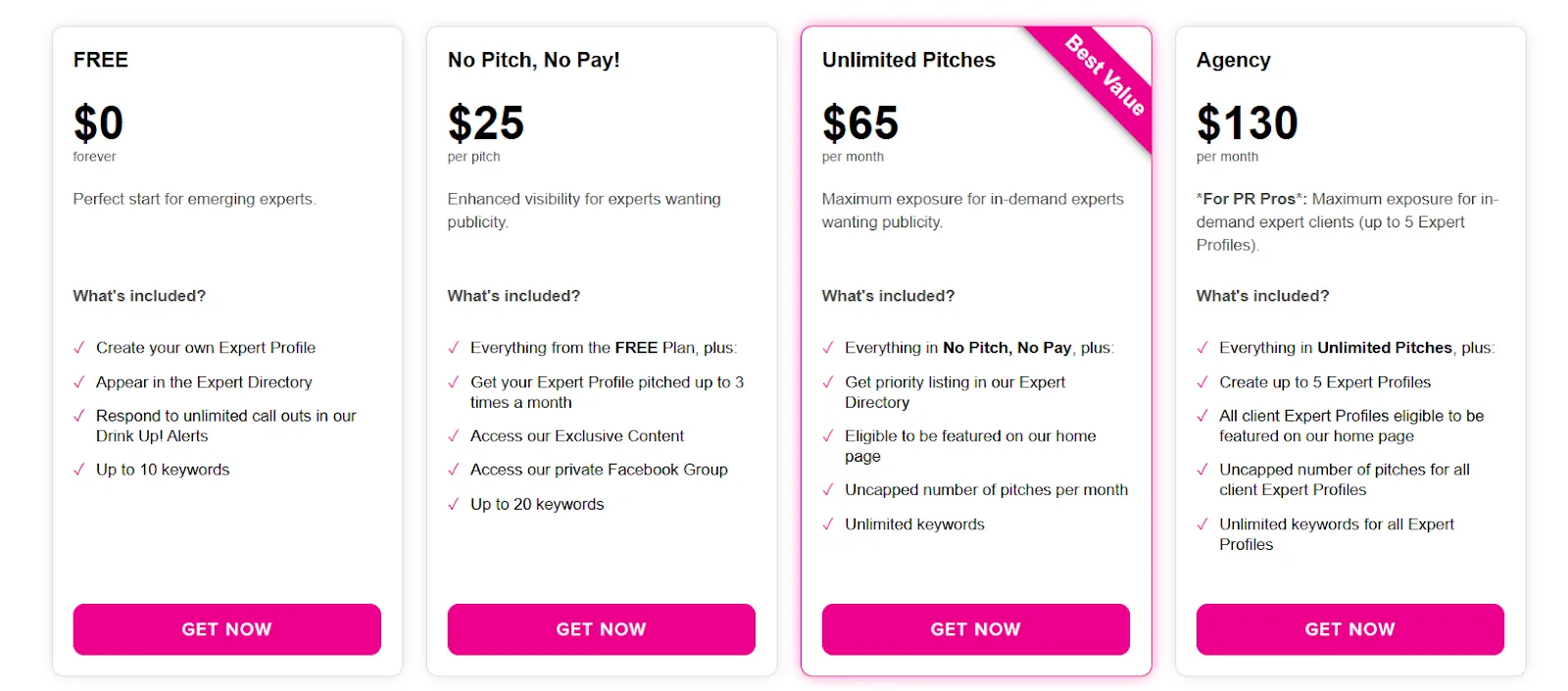
Otherwise, responding to queries is free. The tradeoff: no fancy dashboard or smart features like Qwoted, mostly email-driven with a simple interface. A fair trade given the price and free features.
| Pros | Cons |
|---|---|
| Free with strong global reach, especially Australia and Asia-Pacific | Simple, mostly email-driven interface |
| Filter queries by industry or location | Fewer total users than HARO |
| Post giveaways or product samples, good for eCommerce | Giveaway posting costs $25/month |
| Informal community feel, bloggers and influencers included |
3. Featured (formerly Terkel) – Q&A Platform for Expert Content

Featured (previously Terkel) is a Q&A platform where publishers post questions and you, as an industry expert, answer them.
Questions related to your expertise show up right on your dashboard, along with basic publisher details like site name and domain authority. I’ve seen plenty of well-known blogs post here.
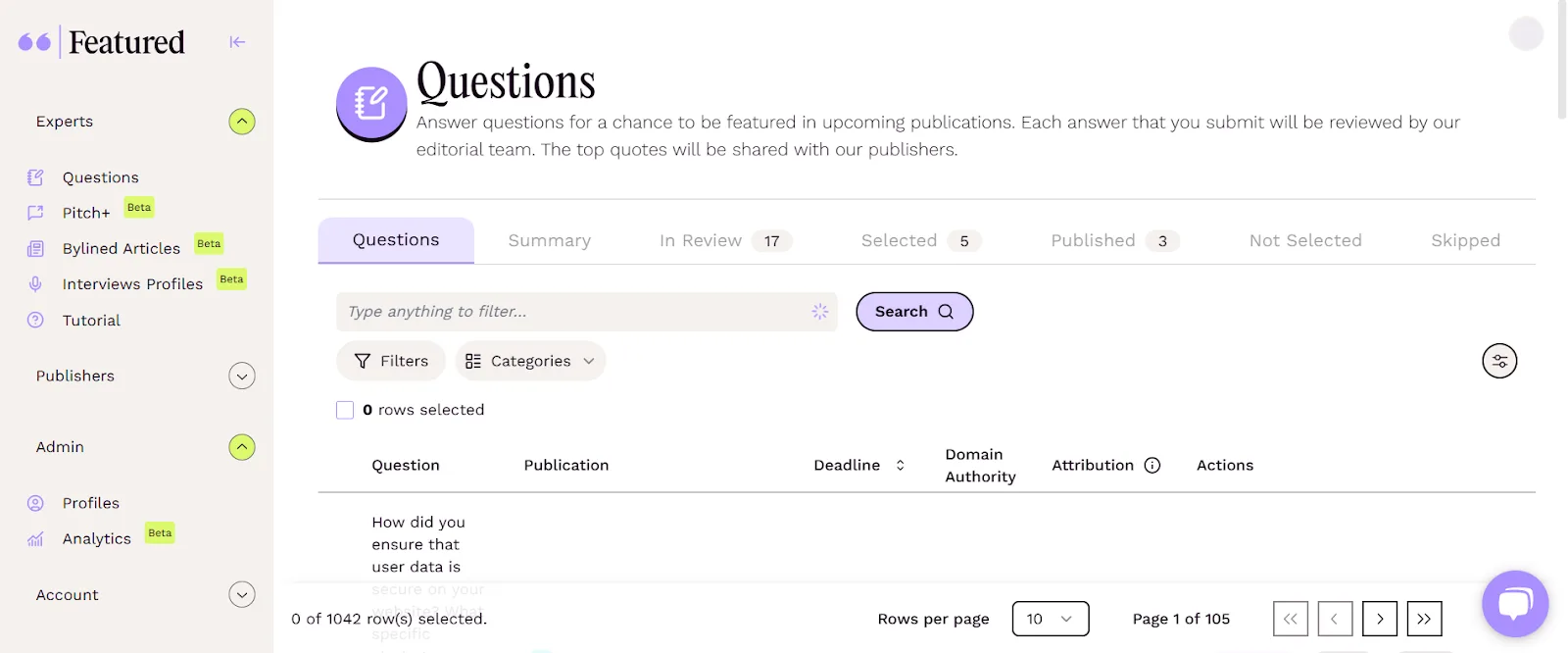
Write your response directly on the platform and submit. If the editor likes it, they’ll include it in the final article with your name, title, company, and usually a link to your website. Publishers typically compile several strong answers into one article, so your odds of getting featured are decent.
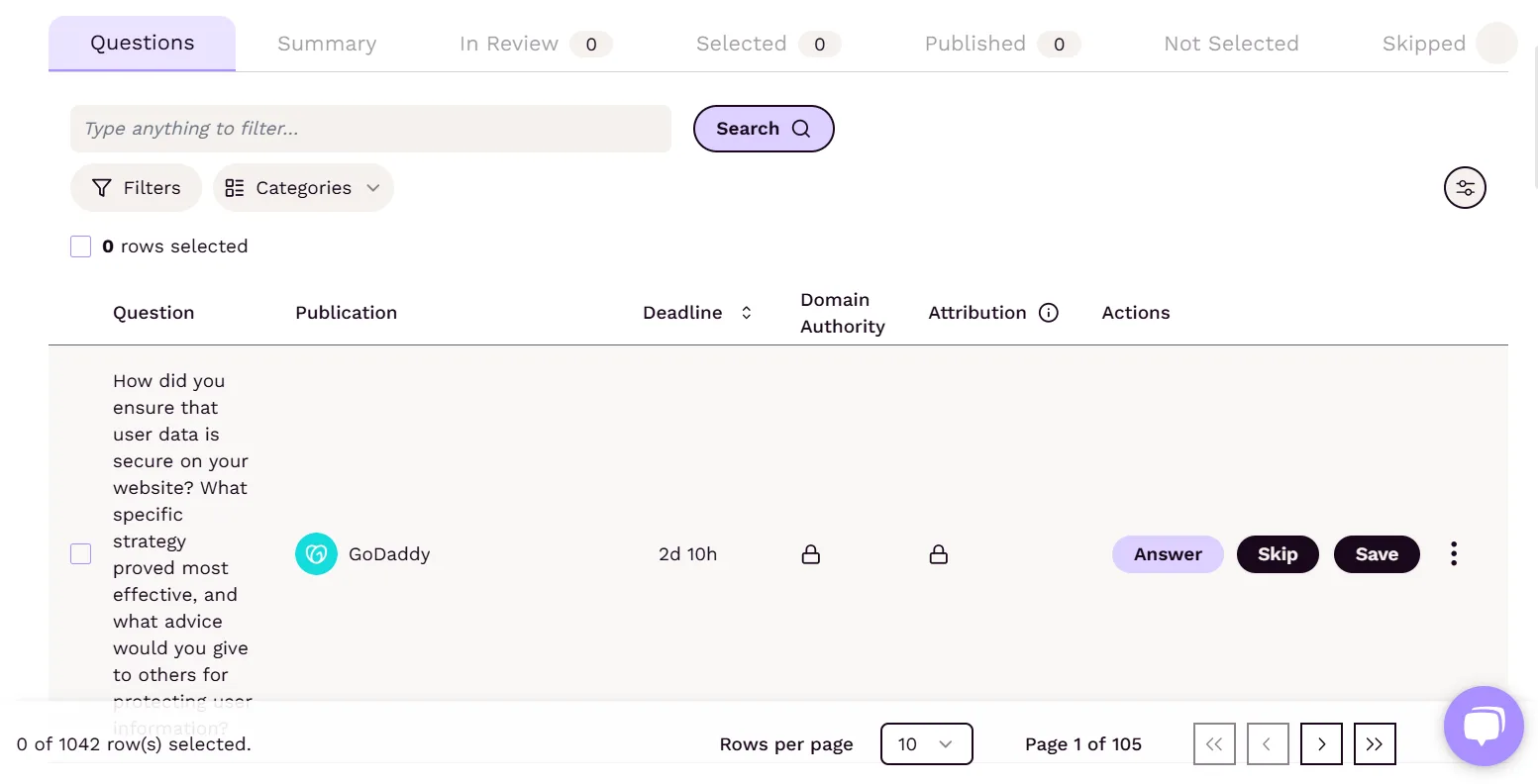
You can track the status of each submitted answer, accepted, live date, and so on. Answer up to 3 questions free per month and set keyword alerts for new relevant questions. To answer more, subscriptions start at $29/month, which also unlocks publisher domain authority and full article pitching.
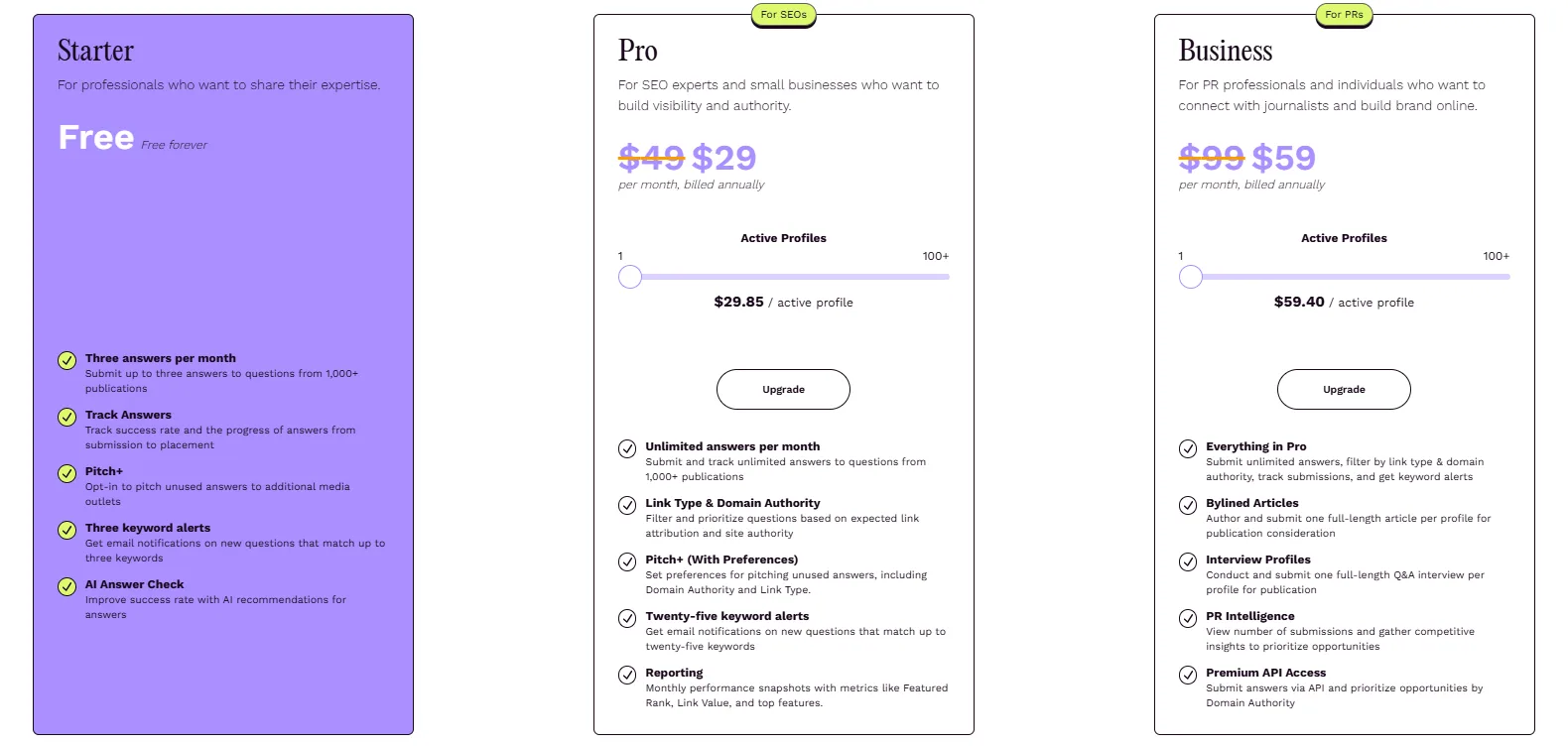
A solid HARO alternative for earning quality backlinks by answering industry questions.
| Pros | Cons |
|---|---|
| Written answers to publisher questions, content-driven exposure | Free plan capped at 3 answers per month |
| High pitch-to-placement conversion, questions are targeted | Paid plans start at $29/month |
| Status updates on submitted answers | |
| Backlink and mention opportunities across blogs and online magazines |
4. JustReachOut – DIY PR Outreach Platform
JustReachOut is like a mini CRM-meets-search-engine for PR, built for media placement outreach.
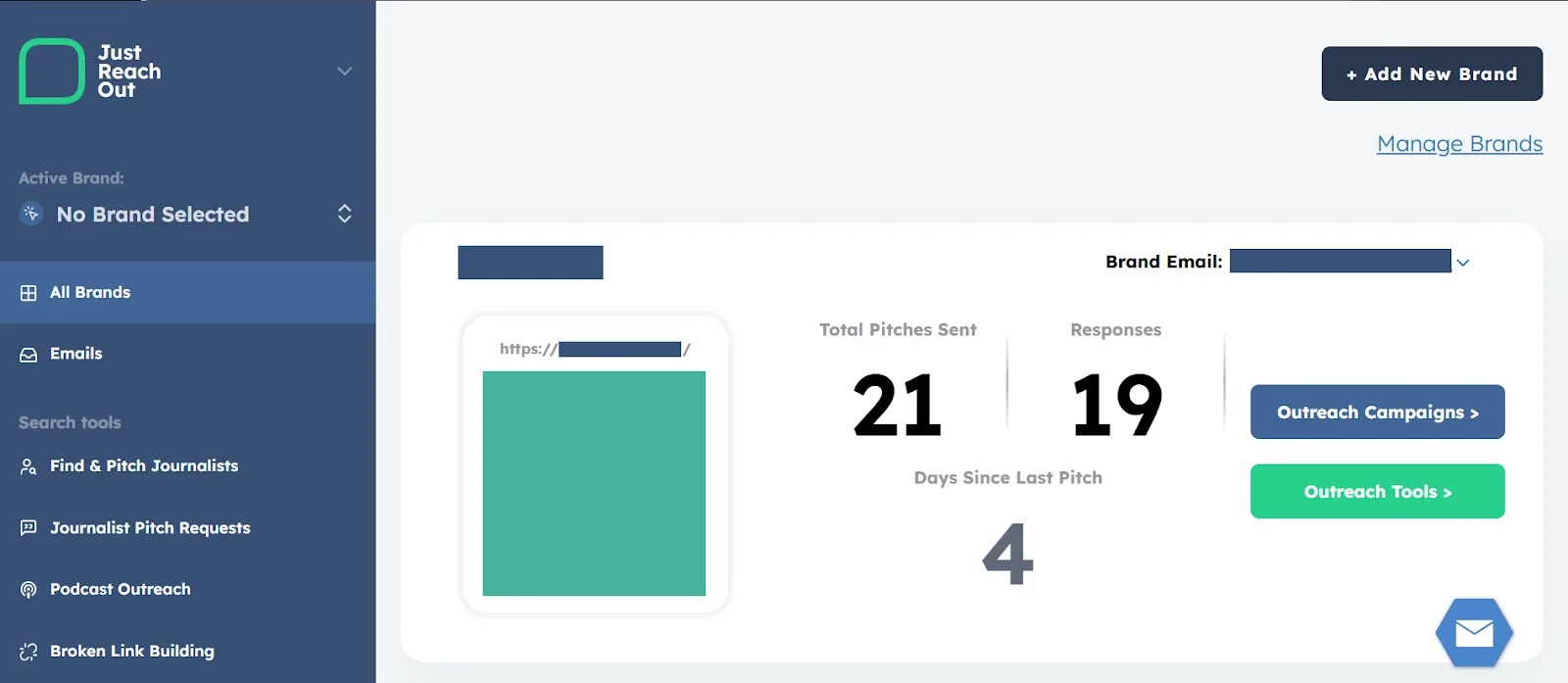
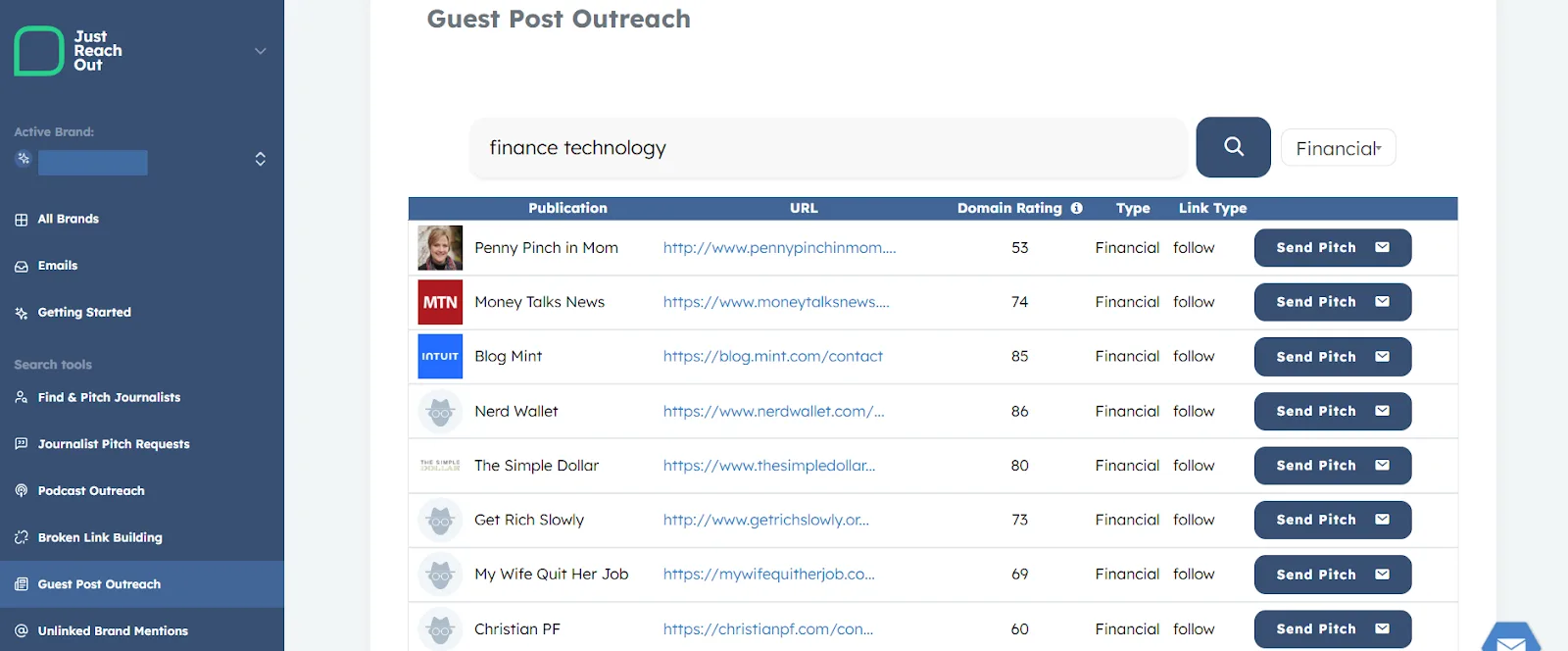
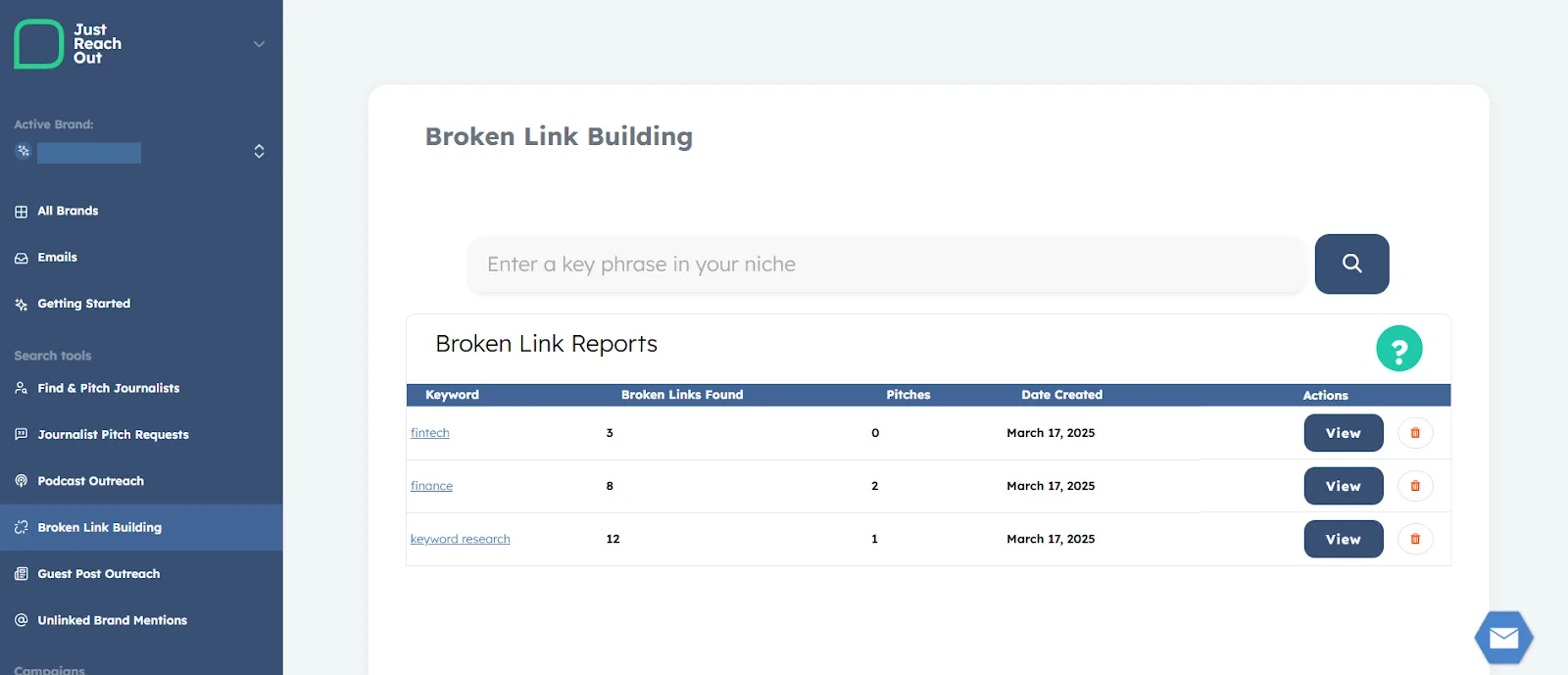
It’s a full PR suite: a journalist search engine, a curated list of journalist requests (an internal HARO-style aggregator), a podcast finder, and even a broken link building tool.
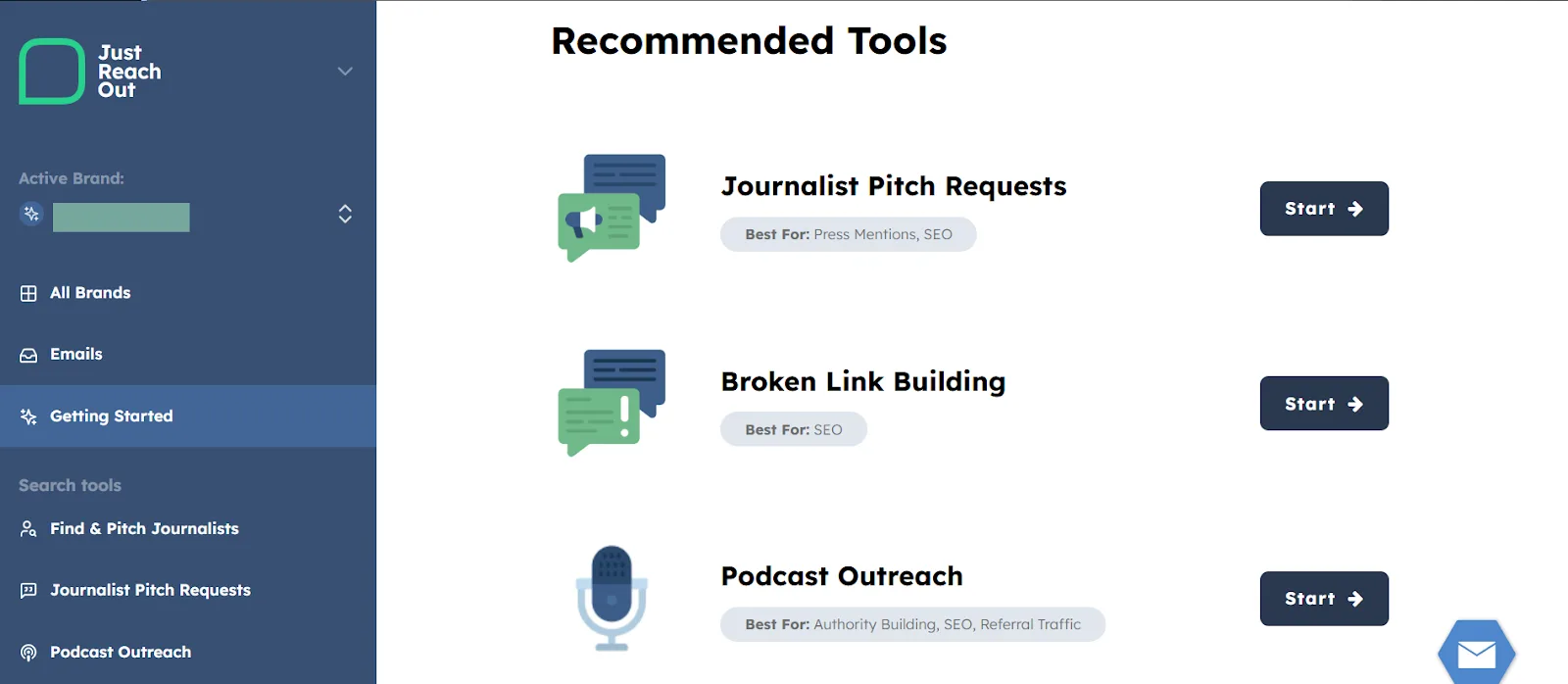
Search for journalists by topic or keyword. Run a fintech startup? Search “finance technology” or “fintech funding” and it surfaces journalists who’ve written on those topics, with contact info or X handles attached.
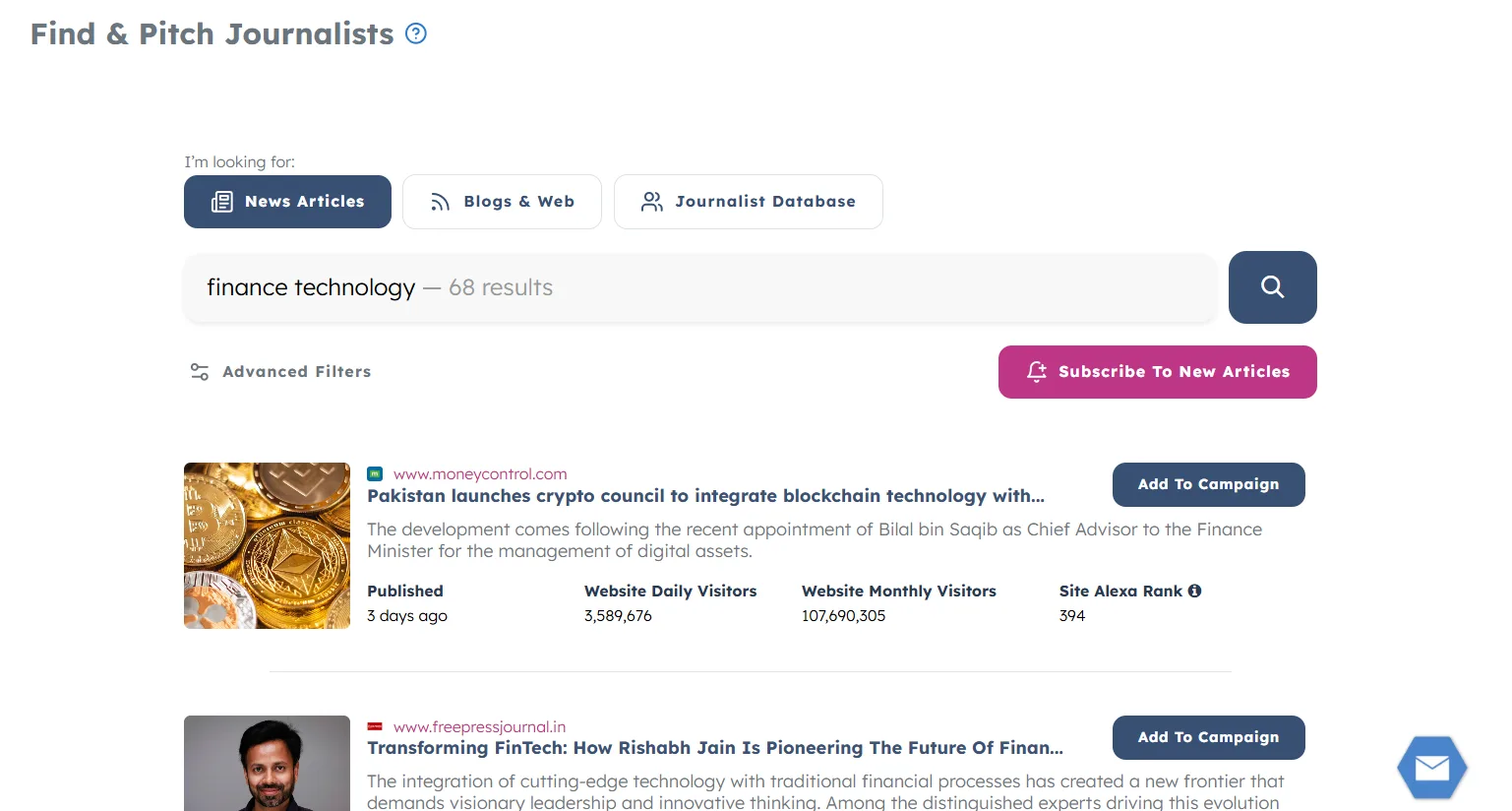
It also pulls journalist requests from platforms like X into one place, and if you’re into podcasts, it surfaces guest-pitch opportunities too.
Unlike HARO, JustReachOut lets you be proactive: find journalists already writing about your topic and pitch them directly, rather than waiting on whatever queries happen to come in.
Beyond PR, it also surfaces broken links in niche-relevant articles so you can pitch your content as the replacement.
It’s a premium tool though, starting at $147/month and running up to $1,997/month.
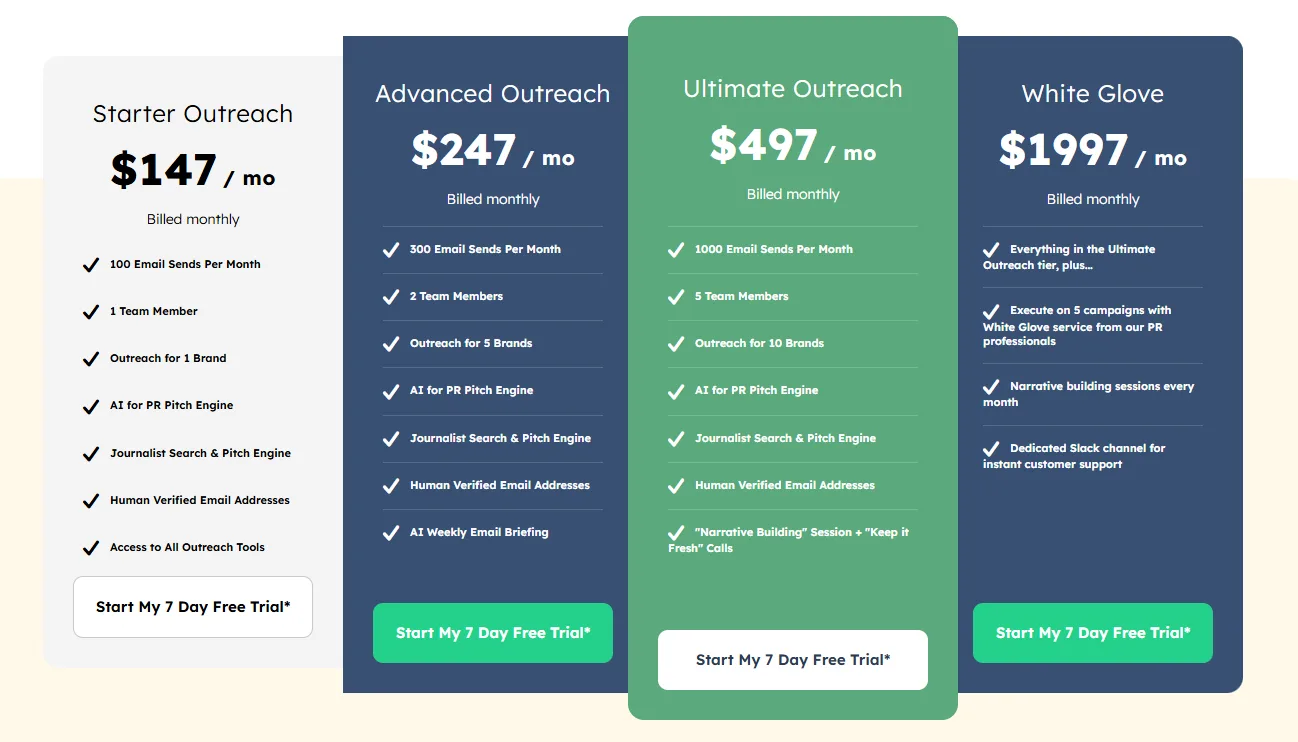
Pricey, especially for a small business, but if PR is mission-critical and the budget’s there, it’s worth it. A 7-day free trial lets you test the waters first. If you want a tool that handles both media placement and broader PR management, JustReachOut fits.
| Pros | Cons |
|---|---|
| Full PR outreach suite: journalist search, pitch management, SEO tools | Starts at $147/month |
| Proactive pitching, not limited to existing queries | Some learning curve to use all features |
| Podcast outreach and broken link building included | Focused on outreach over broader PR management |
| 7-day free trial |
5. Help a B2B Writer – Niche Platform for Content Marketing Collaboration
As a content marketer, I genuinely love Help a B2B Writer. It connects B2B content writers with expert sources.
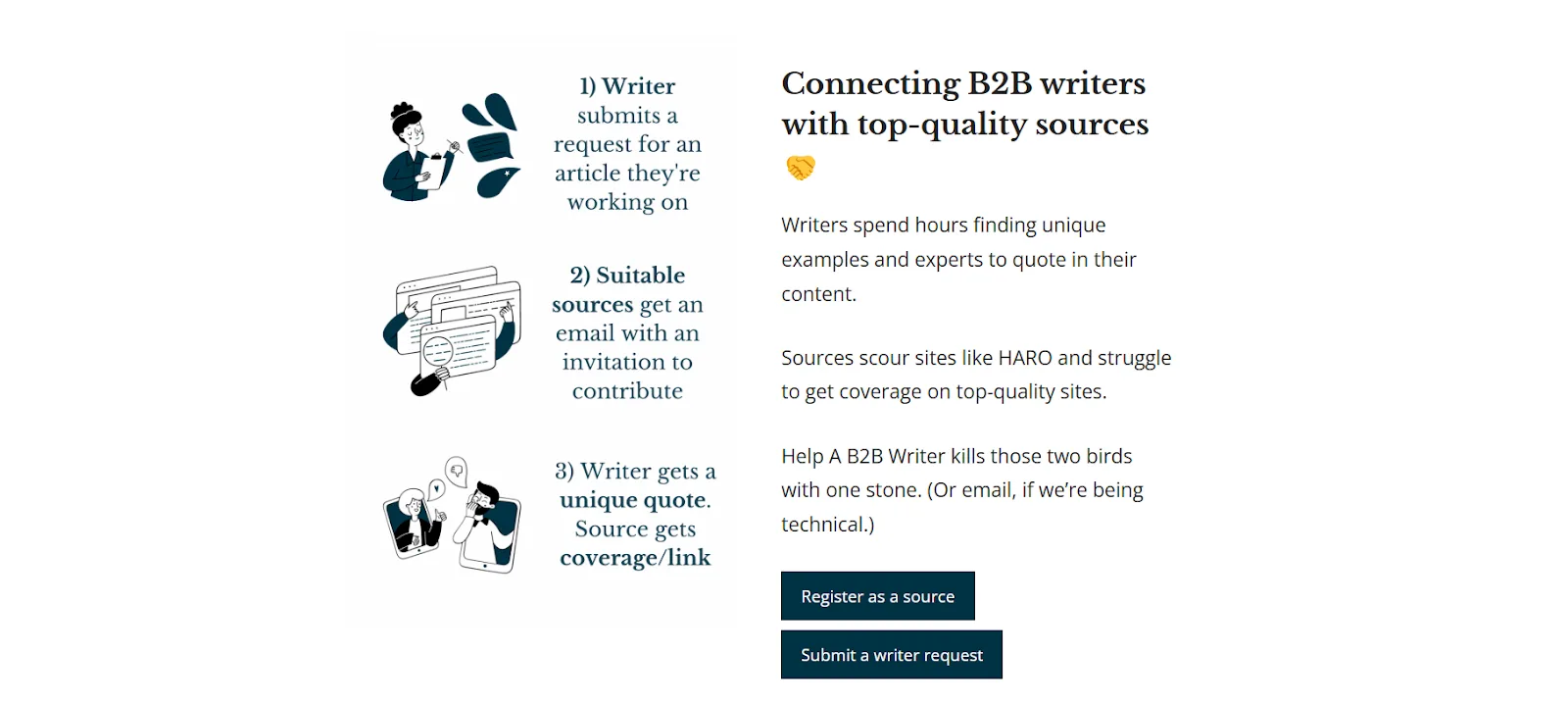
Essentially HARO, but built specifically for content marketing, perfect if your goal is backlinks and mentions from industry blogs or B2B sites.
Sign up for free as a source and select your areas of expertise, SaaS marketing, UX design, cybersecurity, whatever fits.
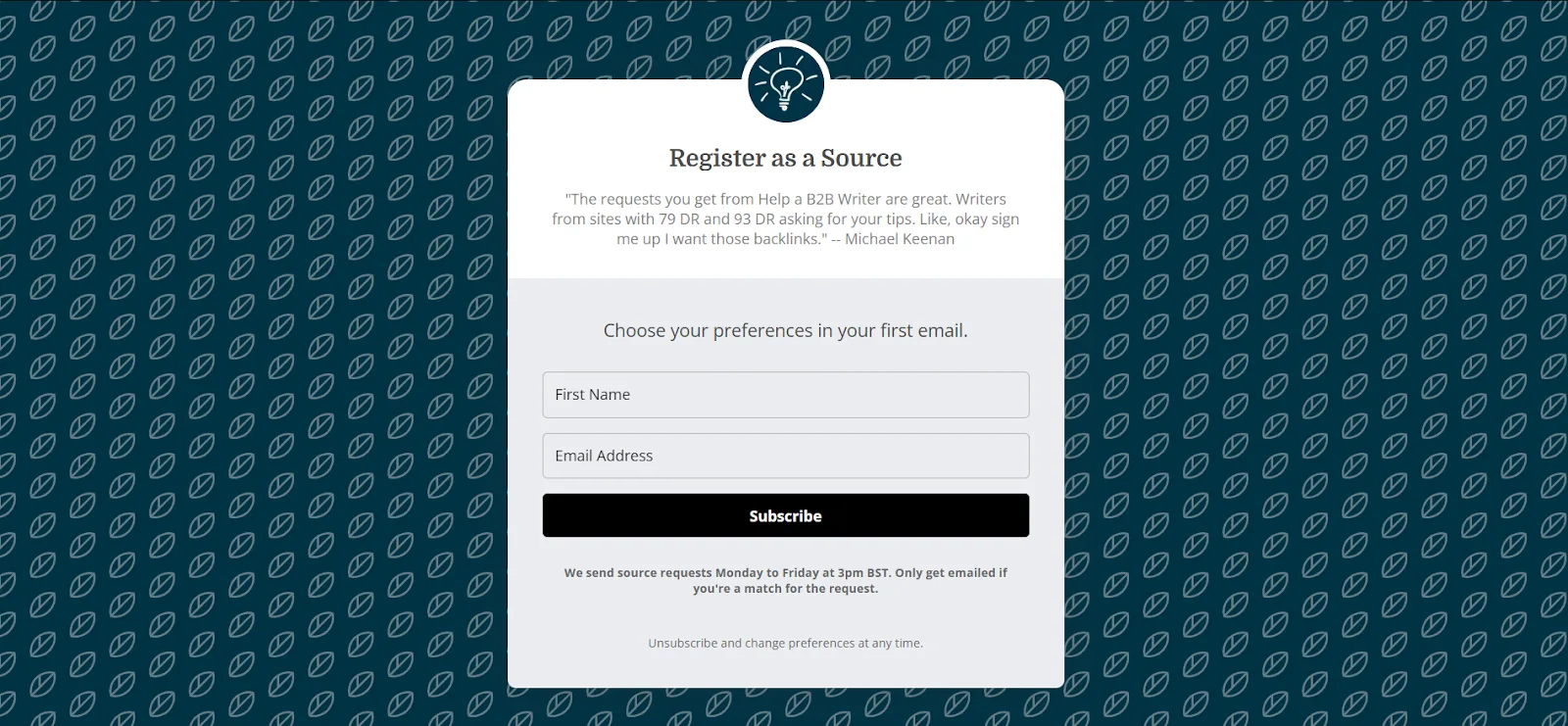
When a writer submits a request needing a source on one of your topics, you’ll get an email. Unlike HARO’s mass blasts, you only see matched requests, an SEO expert never sees a finance or healthcare question. No spam, no competition overload.
Expect maybe 2 to 3 requests a week matching your expertise, but a much higher chance of getting published.
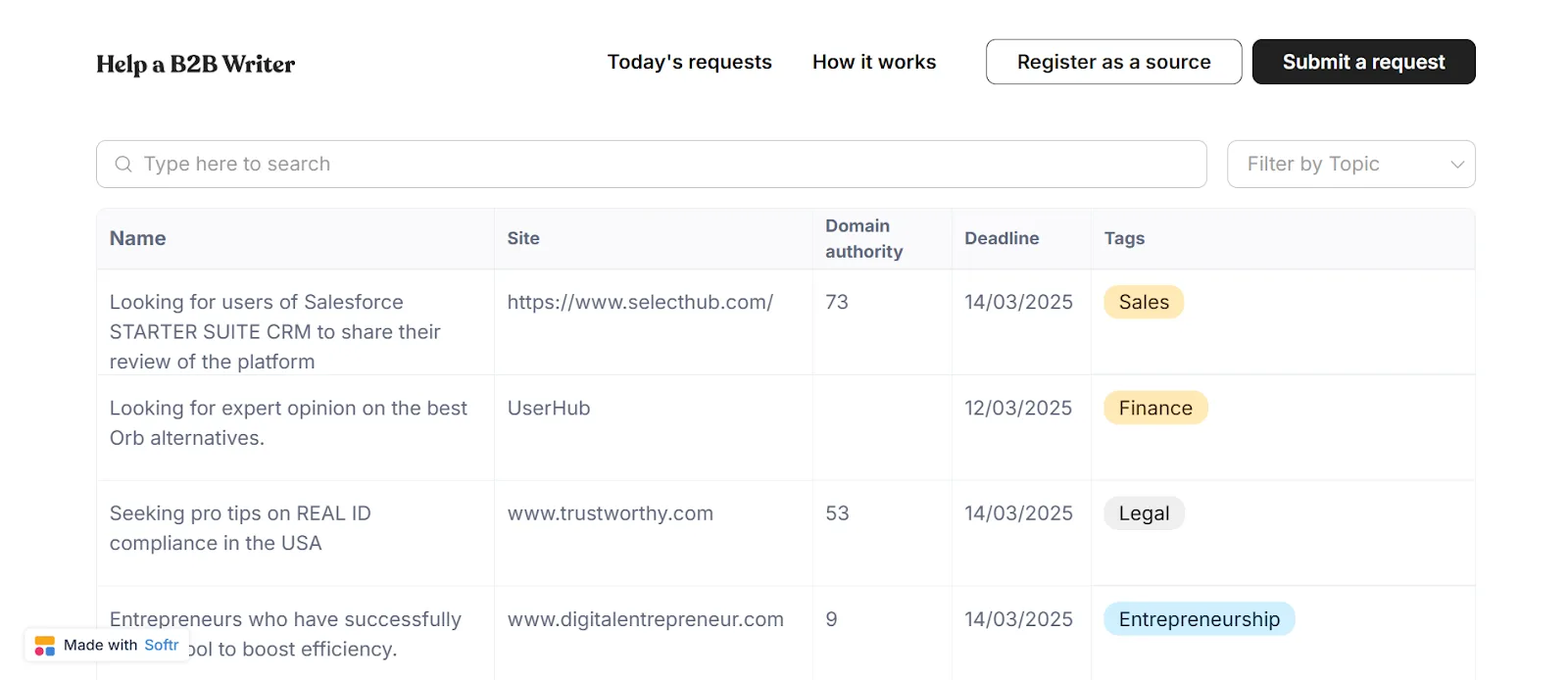
Topics typically cover marketing, sales, business operations, and tech, and outlets range from well-known marketing blogs to SaaS company blogs and occasionally bigger industry sites.
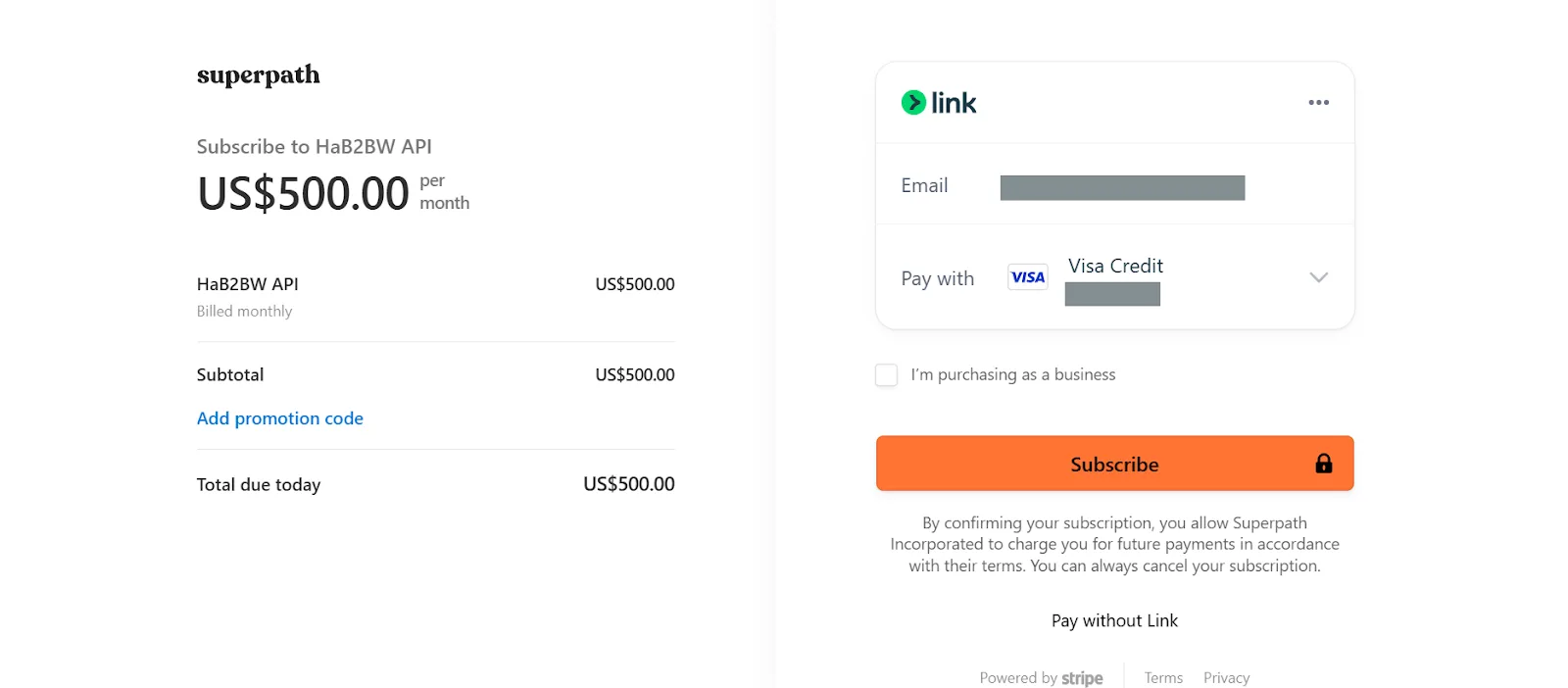
It’s completely free for both experts and writers, a community service of sorts. The API, on the other hand, is pricey, $500/month.
The targeted nature and community feel make this one of my favorite HARO alternatives.
| Pros | Cons |
|---|---|
| Built specifically for B2B content, matches writers with expert sources | Limited to B2B-focused opportunities |
| Requests matched to your specified expertise, fewer irrelevant pitches | Smaller user base than broader platforms |
| Free for both sources and writers | Highly competitive given the targeted nature |
| Streamlined path to well-matched exposure |
Bonus: Use X for Journalist Requests
Beyond dedicated platforms, X (Twitter) is an often-overlooked but genuinely powerful HARO alternative. Journalists frequently hop on X to find sources fast, using hashtags like #JournoRequest, #PRrequest, or simply tweeting “looking for someone who can comment on…”
It’s landed me quick wins HARO never could.

Why X works for media placements:
↳ Journalists often need a source within hours, not days, so these opportunities are fresh and less competitive since fewer people monitor X closely. I’ve landed placements simply by being first and on-point.
↳ Interaction feels more personal here. Reply to a request with a short teaser of your expertise and offer to DM more detail.
↳ Commenting also builds visibility, other journalists notice you engaging, which puts you on their radar too.
How to actually use X for this:

↳ Follow hashtags. #JournoRequest is heavily used, especially by UK journalists but also globally. #PRrequest works similarly. Tools like TweetDeck or Hootsuite let you set up a dedicated column to monitor these continuously.
↳ Follow journalists and lists. Many journalists tweet requests without a hashtag at all. Follow journalists in your industry directly, and look for PR community accounts that retweet #JournoRequest posts to widen your visibility.

↳ Use advanced search. Search your industry keywords alongside “looking for” or “seeking,” filtered to journalist accounts.
↳ Tweak your profile. Journalists will check you out. Keep a clear bio stating your role and company, with a link to LinkedIn or your site.
↳ Be quick. Most of these opportunities are first-come, first-served. A relevant one can disappear in minutes.

↳ Stay professional. No one likes spammy replies. Something like “Hi [Name], I’m a [Your Title] who’s done XYZ, happy to help, I’ll send a DM with details!” does the job.
↳ Watch trends. Journalists tweet calls tied to breaking news constantly. Tie yourself to a fresh news event quickly, and you can capitalize on a trending hashtag plus a media backlink.
X is a real-time space for sources and journalists. I’d make it a standing part of your media outreach strategy, it’s free, fast, and in 2025 plenty of journalists practically live there.
Choosing the Right Mix of HARO Alternatives
No single tool does it all if you’re serious about link building through media placements. I’d recommend combining a few of these with X to find opportunities that actually convert into backlinks.
A few more guides on building links:
↳ How to Do Local Keyword Research For Small Businesses
↳ How to Do Keyword Gap Analysis
↳ How I Check Backlink Quality to Maintain a Healthy Link Profile
Frequently Asked Questions
What replaced HARO?
HARO briefly rebranded as Connectively, which also shut down in 2024. Alternatives now include Qwoted, SourceBottle, Featured (formerly Terkel), JustReachOut, and Help a B2B Writer, all connecting journalists and experts for media outreach, quotes, and backlinks.
Is SourceBottle free?
Yes, for general use. Experts and businesses can sign up for email alerts or browse call-outs by location or industry for free. Paid options exist for instant alerts and premium expert profiles at a small monthly fee.
Can I use Twitter for media outreach?
Yes, and it’s excellent for it. Journalists frequently post urgent requests with hashtags like #JournoRequest or #PRrequest. Following relevant journalists and hashtags lets you respond quickly and secure placements, especially around breaking news.
How to craft effective pitches for media outreach?
Keep it concise and tailored to the journalist’s specific query. Clearly explain why you’re the right source, stay professional but conversational, respond promptly, and always personalize the pitch to their actual needs rather than sending something generic.
Qwoted vs HARO: What’s the difference?
Qwoted is a curated platform connecting experts directly with journalists through a clean dashboard, while HARO relied on mass email blasts that got cluttered fast. Qwoted adds response tracking, less competition, better vetting, and more personalized communication.
What is Help a B2B Writer?
A free platform connecting B2B content creators and experts. Writers post requests for expert insight on business, tech, and marketing topics, and experts receive only matched queries via email, cutting down on irrelevant pitches and improving backlink quality.
What platform connects journalists and PR professionals?
Qwoted is built specifically for this. PR experts build detailed profiles, journalists post queries, and experts pitch directly on-platform, with targeted matching and features like leaderboards to encourage quality participation.
What is the best PR software?
JustReachOut is one of the strongest options, especially for proactive outreach, combining journalist discovery, pitch management, podcast outreach, and SEO-focused link-building tools in one place.
How does Featured.com work?
Featured (formerly Terkel) is a Q&A platform where publishers post topic-specific questions and experts submit responses directly. Selected answers get featured in roundup-style articles, providing backlinks, brand exposure, and authority positioning.
How much does JustReachOut cost?
Pricing starts around $147/month after a 7-day free trial, varying by plan, campaign volume, and included features. It’s built for businesses serious about regular, proactive PR outreach.
What is ProfNet?
A premium subscription media outreach service run by PR Newswire, connecting experts and PR professionals with journalists from major outlets seeking sources. It offers curated, high-quality queries leading to more prestigious placements and backlinks.