


If you’re looking to build backlinks, chances are you’ve heard about guest posting and niche edits.
Which one actually brings the best results? That’s exactly what this guide breaks down.
Guest Posting Vs Niche Edits – Overview
What Is Guest Posting?
When guest posting, you write content for another website to earn a backlink. It’s straightforward: you provide valuable content in exchange for a relevant link back to your site.
| Benefits | Drawbacks |
|---|---|
| Full control over content and anchor text | Time-consuming to produce high-quality content |
| Builds your brand and thought leadership | Often involves lengthy outreach and approval processes |
| Typically offers higher-quality contextual links |
What Are Niche Edits?
When making niche edits, you make a valuable edit to a website’s content and add a link back to your website.
| Benefits | Drawbacks |
|---|---|
| Faster turnaround compared to guest posting | Less control over the context and anchor text |
| Often cheaper than commissioning new content | Potential risk if the linking site has low-quality practices |
| Targets pages already indexed and potentially ranking well |
Key Differences Between Guest Posts and Niche Edits
Here’s how these two methods stack up on the factors that actually matter:
| Factor | Guest Posting | Niche Edits |
|---|---|---|
| Speed of Link Acquisition | Slow | Fast |
| Control Over Content | High | Limited |
| Relevance & Context | Excellent (you control it) | Good (depends on existing content) |
| Cost | Moderate to High | Lower |
| Risk of Penalties | Lower (with quality content) | Higher if not done carefully |
| Outreach Difficulty | High | Moderate |
| SEO Impact | Long-term | Immediate & long-term |
Guest posting is one of the best ways to build topical authority alongside backlinks. It gives you real control over anchor text and attracts relevant referral traffic, you pitch original, valuable content to targeted sites in your niche and embed a link back to your own.
Niche edits get you quicker placements and let you benefit from the existing rankings and traffic of established content. To find these opportunities, identify relevant articles and negotiate link placements directly with site owners.
When to Choose Guest Posts or Niche Edits for Link Building
A simple framework to help decide:
Choose Guest Posts If:
You want to build authority and grow your brand.

Guest posting isn’t just about backlinks. When I write a guest post, the goal is usually broader, visibility, authority, a stronger reputation in the industry. It positions you as a credible expert by associating your name with respected publications. Landing them is genuinely difficult though.
You prefer full control over content quality and context.
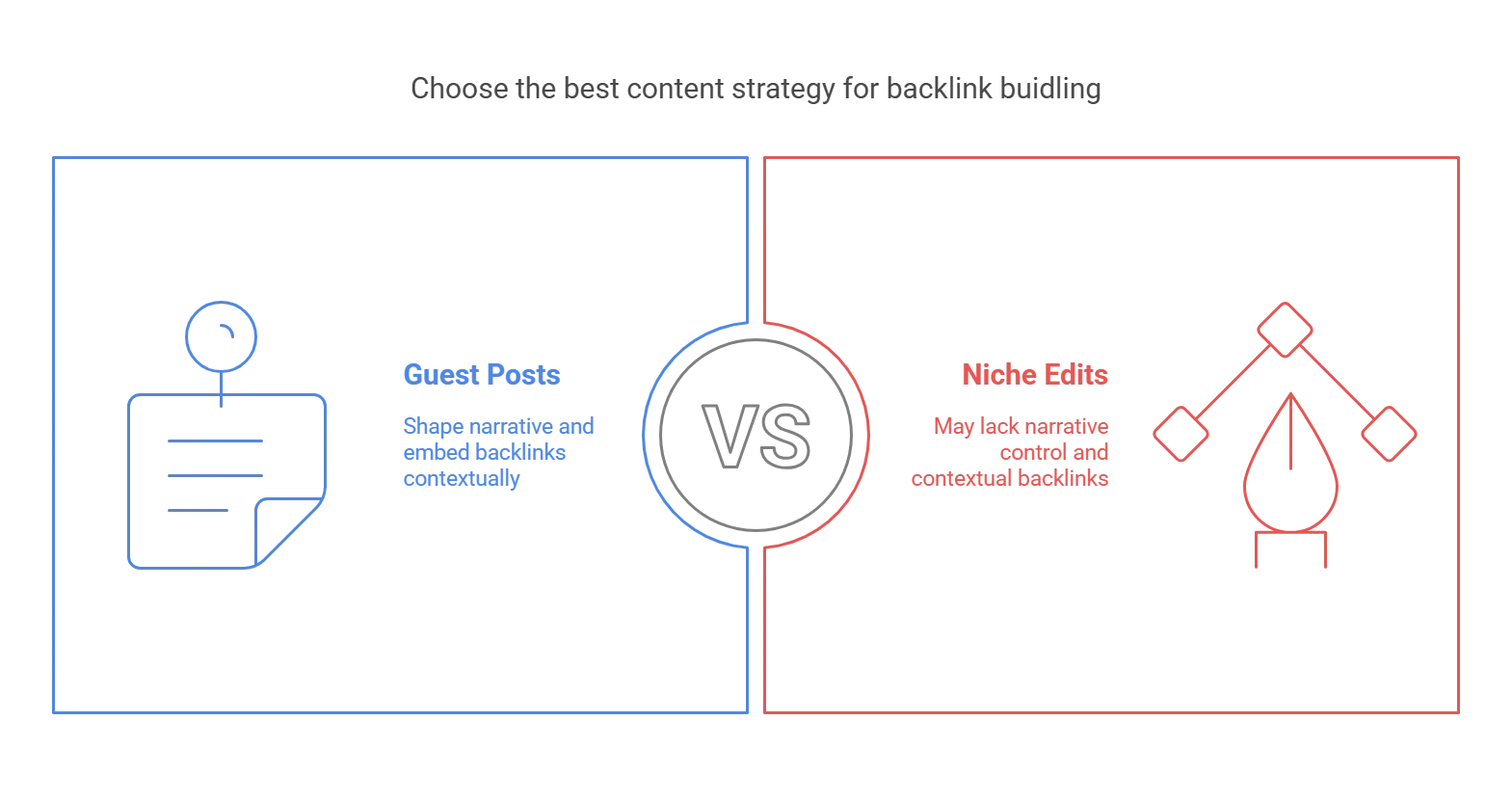
If the message, tone, and quality of the content are non-negotiable, go for guest posts. I personally prefer them when presenting complex ideas or specific brand messaging, you shape the narrative, which helps embed your backlinks in genuinely valuable, relevant context.
You have the time and resources to produce high-quality content consistently.
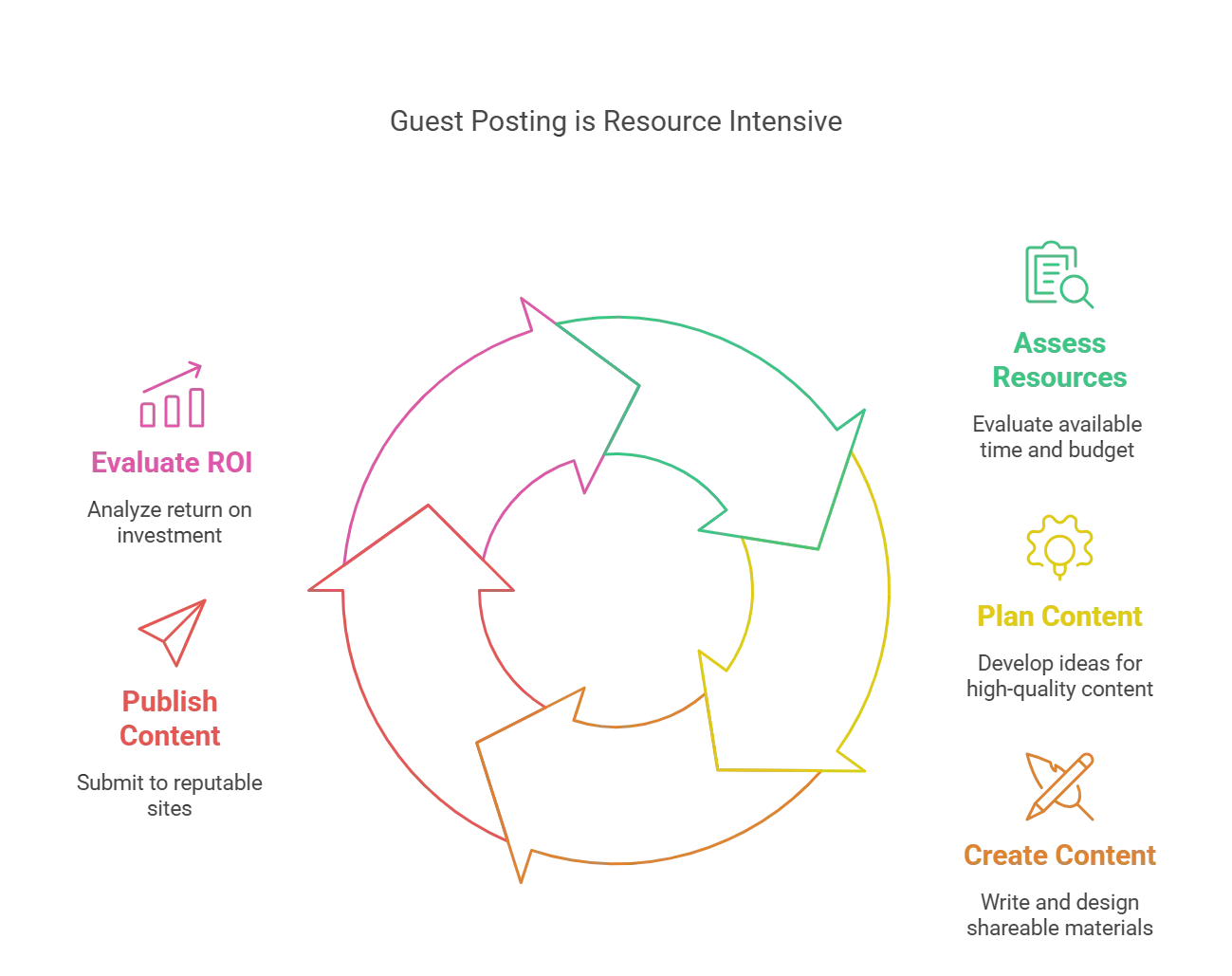
Guest posting is resource-intensive. Crafting content reputable sites will actually accept takes research, writing skill, and real time investment. For decent ROI, you need to consistently produce top-tier, shareable content.
Choose Niche Edits If:
You need quick, efficient results with fewer resources.

I lean on niche edits when time or resources are tight. No need to write an entirely new article, you place your link into existing content that already ranks and gets traffic. Faster and more cost-effective by design.
You want backlinks from already-ranking, proven content.

For fast SEO impact, niche edits usually win, since the content you’re targeting already performs. Adding backlinks to pages that already rank well typically improves your rankings and traffic faster than writing new guest posts, which can take months to show results.
When choosing pages for niche edits, always check organic traffic, keyword rankings, topical relevance, and domain authority first, don’t target pages with nothing going for them.
You don’t have a big budget.
Niche edits generally cost significantly less than guest posts, no content creation or writer fees. That makes them a solid fit for small teams or businesses with a tight link-building budget.
Cheaper isn’t always better though. Prioritize quality. Make sure your links land naturally in contextually relevant content, and only target credible sites, or there’s no real point. Cheap, low-quality niche edits can hurt your SEO in the long run.
If you’re working with a limited budget, it’s also worth checking out link-building tools that fit your budget.
How to Get the Most Out of Guest Posts and Niche Edits
A few tips that apply whether you’re doing guest posts or niche edits:
Always put quality over quantity. More backlinks aren’t automatically good, they can even be harmful. A handful from high-authority, trusted sites deliver more SEO value than dozens of mediocre ones. Focus on securing fewer, high-quality placements on reputable, industry-specific sites where your audience already spends time.
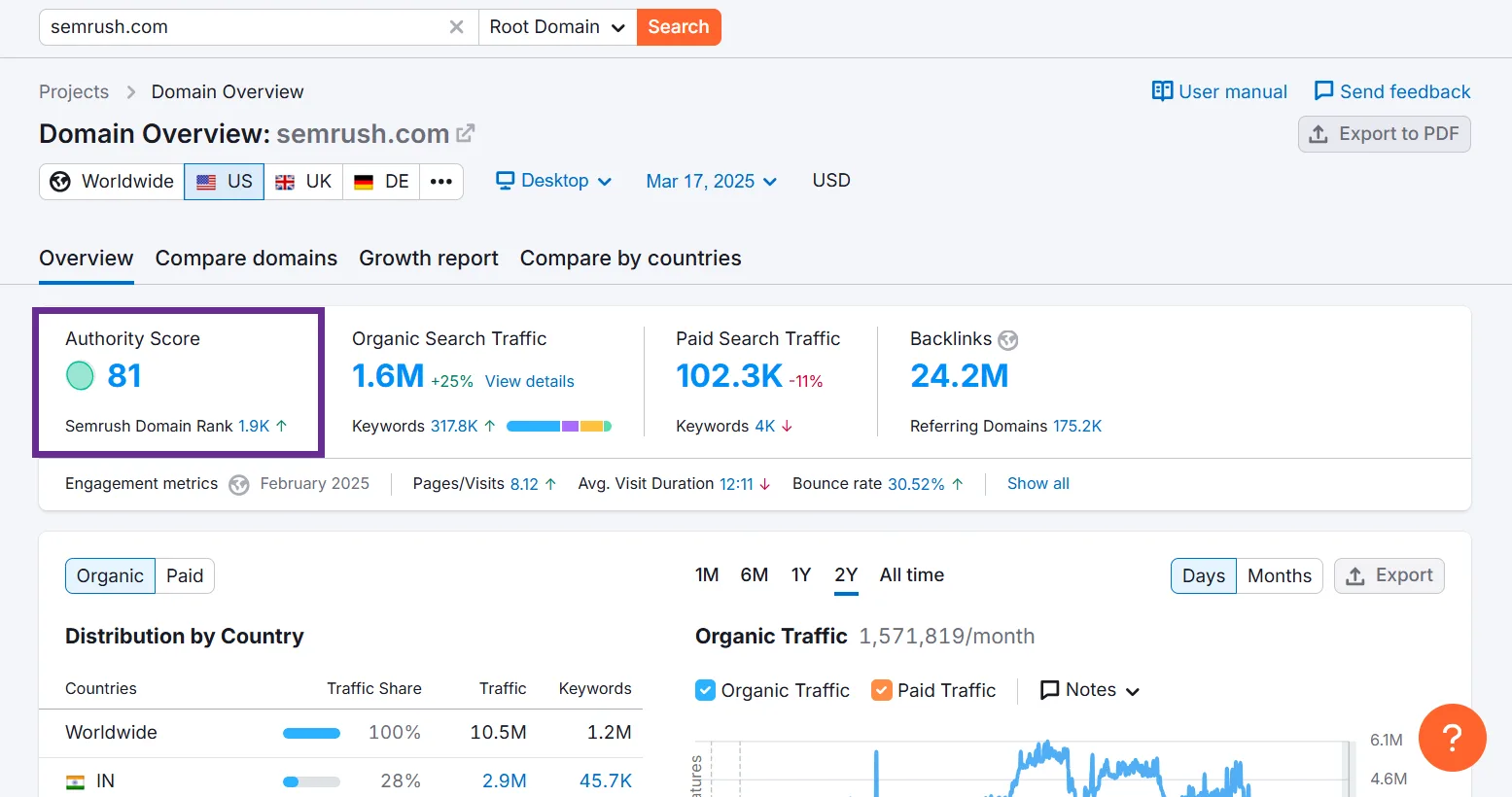
To check a referring domain’s authority, use Semrush’s Authority Score. Open Domain Overview, enter the target domain, hit Search.
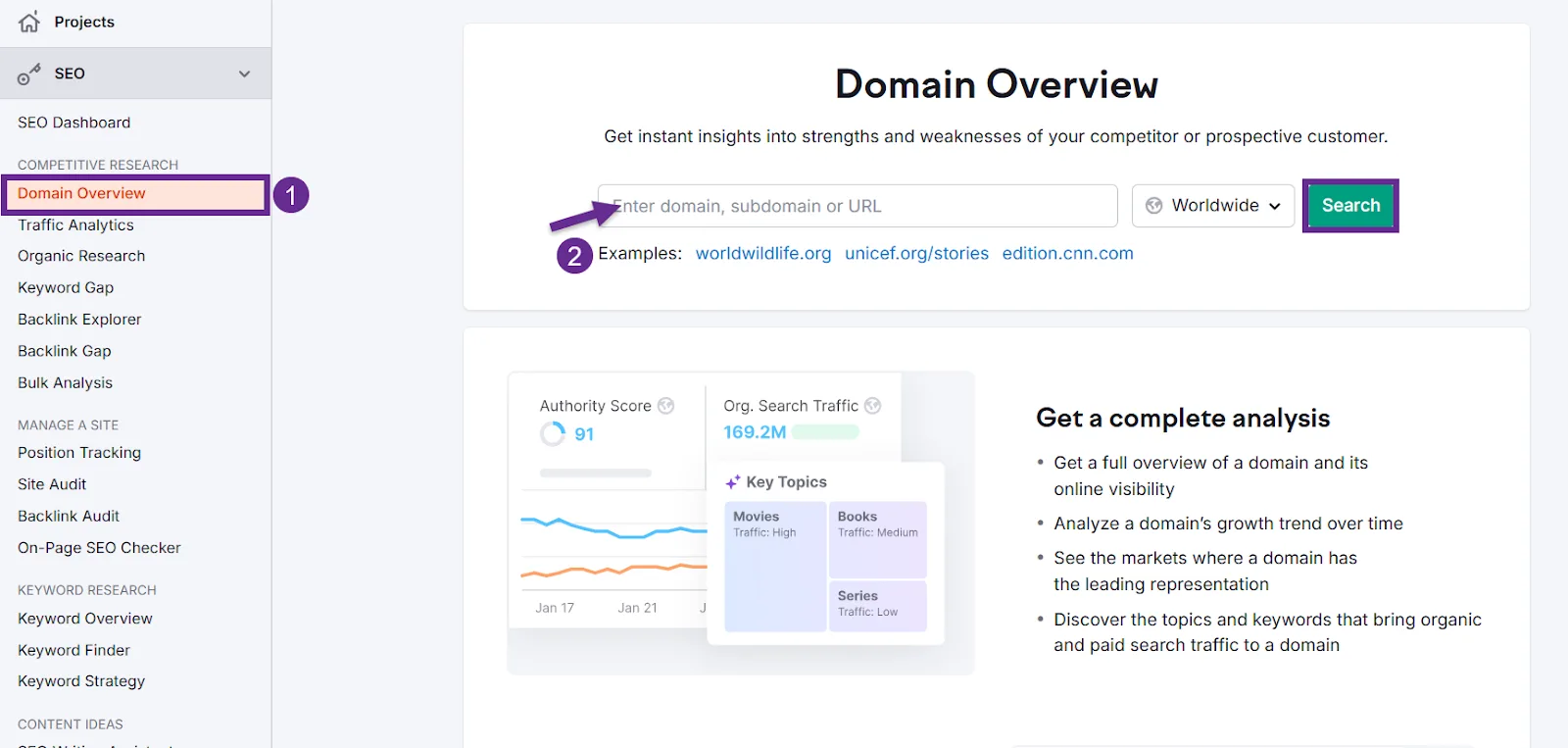
Anything above 60 is great, 40 to 50 is good, below 30 isn’t ideal, but Authority Score shouldn’t be the only factor. If the site’s relevance and legitimacy check out otherwise, it might still be worth it.
Evaluate authority and relevance carefully. High domain authority is attractive, but relevance matters just as much. I’ve gotten real ranking boosts from highly relevant, mid-authority niche sites. Target sites closely tied to your niche or audience even when their authority metrics aren’t flashy, Google values relevance deeply, and highly targeted links can meaningfully boost topical authority and trust. (More on assessing this in How I Check Backlink Quality.)
Diversify anchor text.
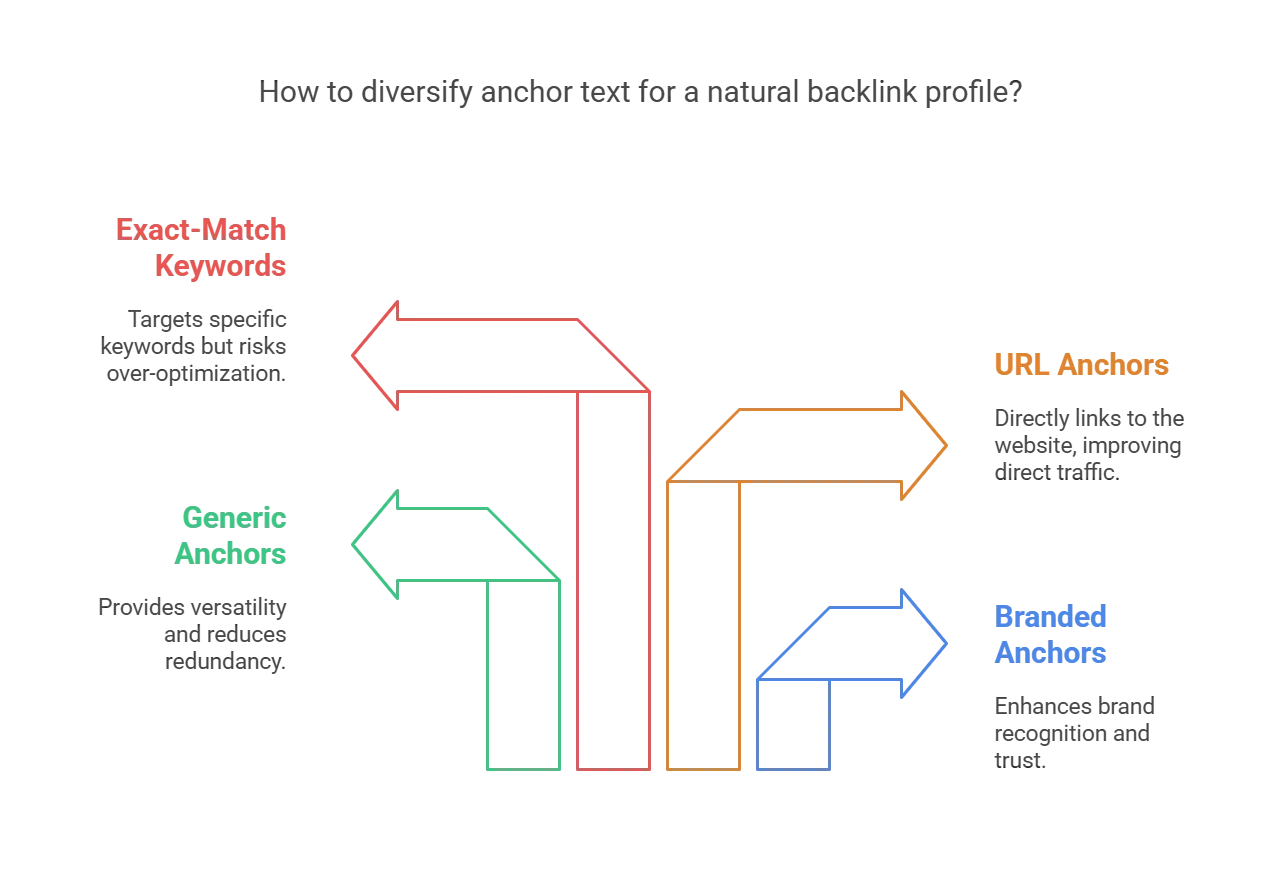
Aggressive, repetitive exact-match anchor text triggers algorithmic red flags. Mix branded anchors (“YourBrand”), generic anchors (“click here,” “learn more”), URL anchors (yourbrand.com), and carefully chosen exact-match keywords. Aim for a distribution that reads as genuinely organic, I’d cap exact-match anchors at 20 to 30% to keep the profile natural-looking.
Prioritize pages with strong traffic potential. Place backlinks (especially guest posts) on pages already ranking well or generating organic traffic, it delivers faster, stronger referral traffic. When evaluating a niche edit opportunity, check the page’s current rankings, keyword performance, and organic traffic potential. I run the domain through Semrush and look at organic traffic directly.
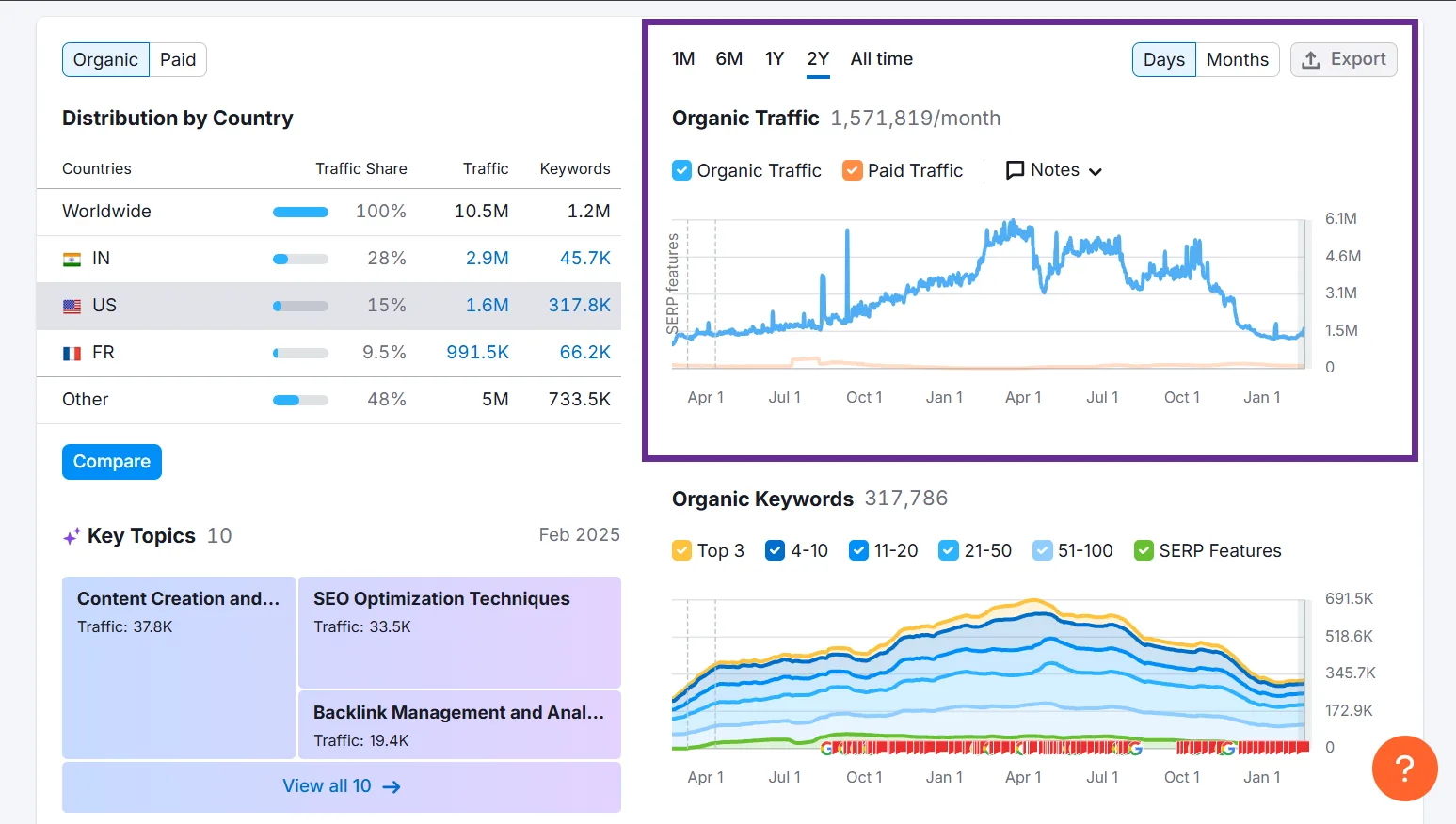
High-performing pages are more likely to send real referral traffic and pass genuine ranking power.
Personalize your outreach. Generic outreach emails rarely land. Publishers get countless pitches daily. Explain clearly how linking to your content benefits their readers, reference specific details from their site, mention a recent article, show genuine appreciation. Personalized pitches dramatically increase response rates and open the door to lasting relationships.
Avoid over-optimization.

Early in my career, I repeatedly used the same optimized anchor text hoping to boost keyword rankings faster. The opposite happened, it flagged as unnatural link building. Keep anchors varied and contextually natural, and if you catch yourself reusing the same one, mix it up deliberately.
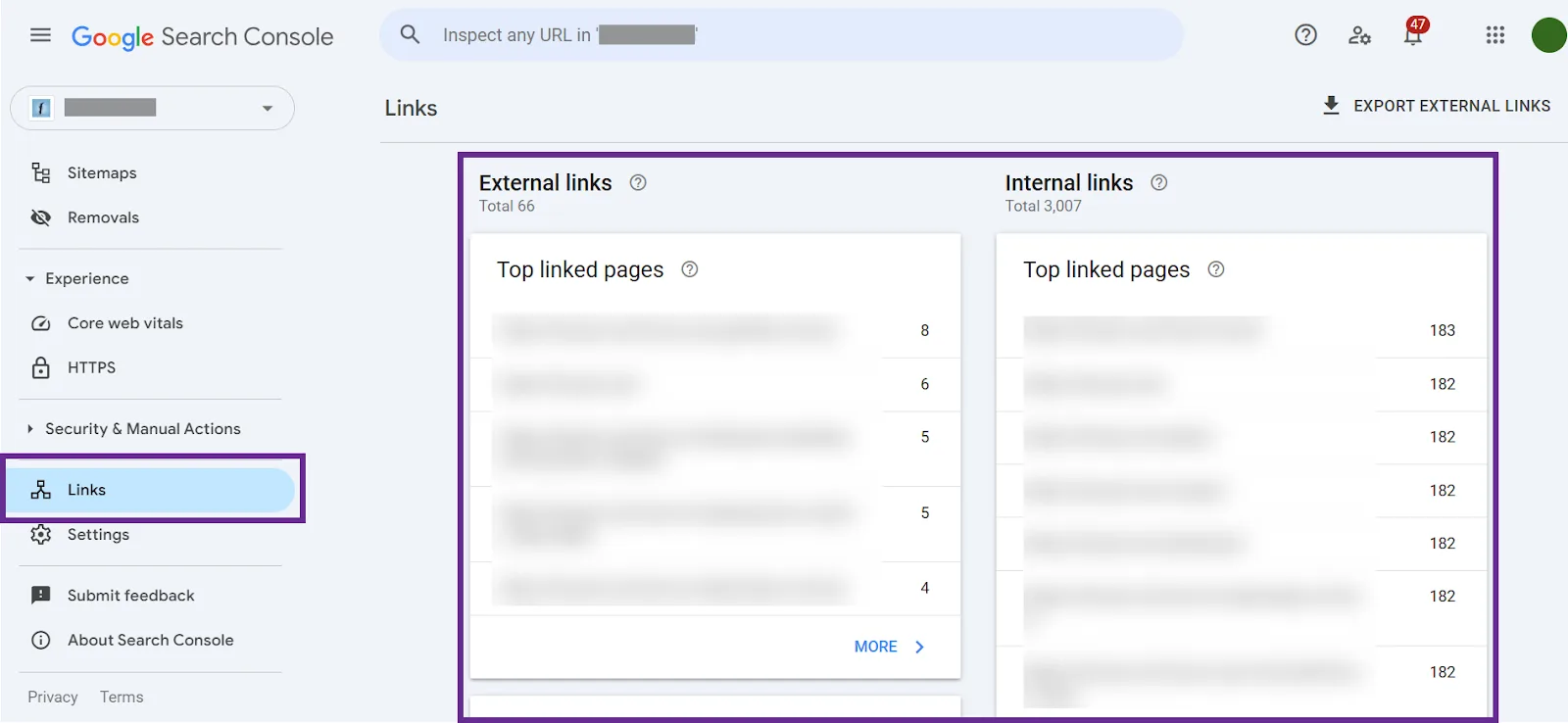
Audit your backlinks regularly. A healthy profile needs regular monitoring, even legitimate sites can inadvertently accumulate toxic or suspicious links. I audit client profiles quarterly, at minimum. Identify anything suspicious or toxic and remove or disavow it. I use Semrush alongside Google Search Console to keep my link profile’s health in check.
For a structured way to run these audits, see Free Backlink Audit Template + Step-By-Step Guide.
Mix Guest Posts and Niche Edits for Best Results
Too many edits without new content isn’t especially effective, and too many guest posts can strain your resources. A mix of both is usually the right call.
More on building quality backlinks:
↳ 7 Ways to Get Backlinks from Gov Sites
↳ 5 Best Haro Alternatives to Get Media Placements
↳ How I Check Backlink Quality to Maintain a Healthy Link Profile
Frequently Asked Questions
What is niche in guest posting?
The specific topic or industry focus shared by both the guest author and the host website. Aligning niches keeps content relevant to the target audience, which improves engagement and SEO effectiveness.
What is a niche edit?
Also called a curated link, a niche edit adds a backlink to your site within existing content on another site. It leverages the authority and established reach of content that’s already live, often offering quicker SEO benefits.
Is guest posting good for SEO?
Yes. Writing articles for other sites in your niche builds backlinks, grows your audience, and enhances your authority all at once.
What is guest posting?
Writing and publishing content on another website as a guest contributor. It builds backlinks, increases rankings, and reaches a new audience beyond your own site.
How do I find my niche?
Identify your interests, expertise, and the needs of your target audience, then research market demand and competition to confirm it’s sustainable. Defining your niche narrows down exactly what content or services to focus on.
What is an example niche?
A blog focused on vegan recipes for athletes, combining the broader topics of veganism and athleticism into a specific area targeting people seeking plant-based nutrition for performance.
What is the difference between niche and audience?
A niche is the specific topic or area of focus; the audience is the group of people interested in that topic. “Eco-friendly fashion” is a niche, and its audience is people interested in sustainable clothing choices.
What is niche features?
The distinct characteristics or specialized aspects that define a particular market segment or topic, catering to the specific interests, needs, or preferences of a targeted audience within that niche.
What is content for niche?
Material tailored to the specific interests, problems, or desires of a targeted audience. This focused approach keeps content relevant and engaging, positioning you as an authority within that segment.
Who needs guest posting?
Businesses, bloggers, and marketers looking to expand reach, build authority, and improve SEO rankings. Contributing valuable content to relevant sites taps into new audiences and strengthens online presence.
Can we earn from guest posting?
Yes, indirectly, through traffic driven to your site, increased product or service sales, and stronger brand visibility. Some platforms may also pay for high-quality guest content depending on their guidelines and budget.
Is guest posting worth it?
Generally yes. It builds backlinks, enhances authority, and drives targeted traffic. Done strategically, it contributes to real SEO performance gains and broader audience engagement.
How can I start guest posting?
Identify reputable sites in your niche that accept guest contributions, craft tailored pitches showcasing your expertise, and propose relevant topics. Once accepted, create high-quality content that genuinely serves the host site’s audience and follows their guidelines.