


You hear so many SEO “gurus” giving tips about how to build backlinks all over the internet.
But what actually works for eCommerce? Here are the strategies that have genuinely earned my clients backlinks for their eCommerce sites.
7 Best Ways to Earn Ecommerce Backlinks
1. Write Skyscraper Content with Original Research
I’ve earned hundreds of backlinks just by creating data-driven, “skyscraper” content that outperformed anything else in the niche.
Start by identifying link-worthy content in your space. Run a competitor’s domain through Backlink Analytics.
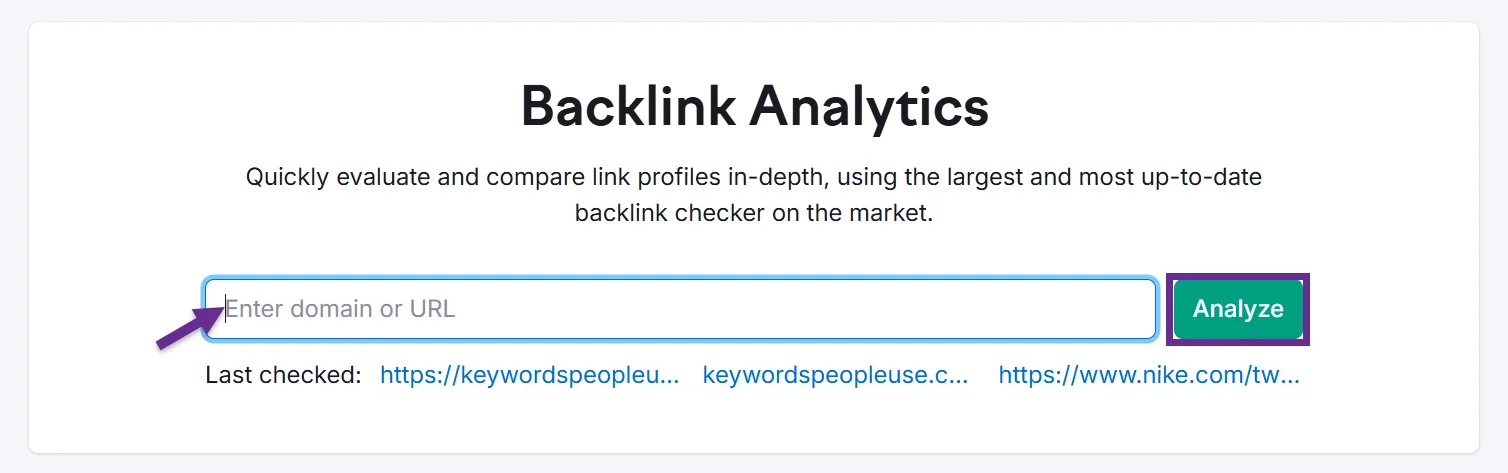
Go to Indexed Pages and check which pages are pulling the most backlinks.
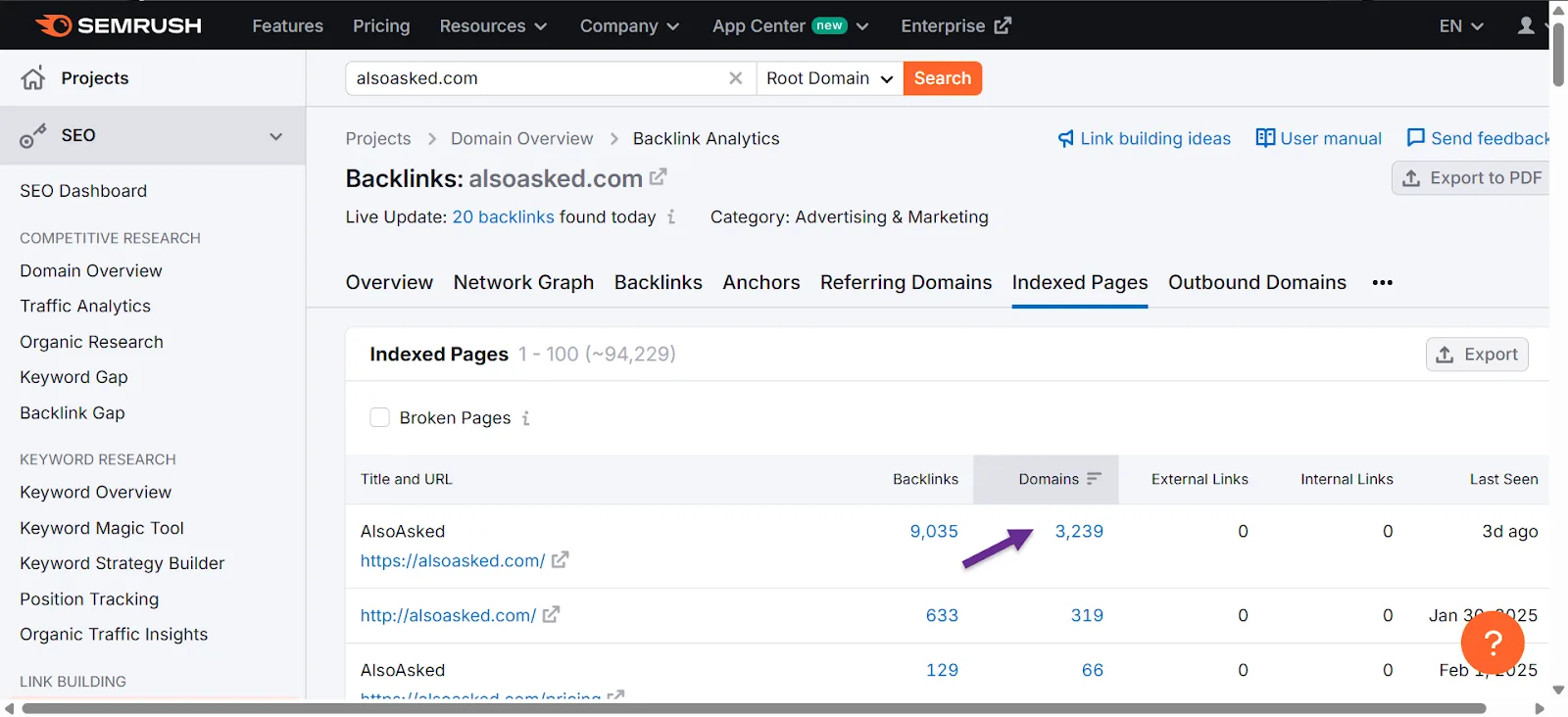
That’s the content you want to beat. Produce something more up-to-date, more detailed, more useful, original research, a long-form guide, an infographic with genuinely new insights. Run those pages through Semrush’s Domain Overview too, to see exactly what keywords they’re ranking for, so you know you’re covering the topic properly. Study who’s linking to your competitor’s page so you understand what actually adds value for them.
Once your content is live, reach out to the domains linking to the comparable competitor page and pitch yours, explaining clearly why it’s a better resource than what they’re currently linking to.
2. Do Digital PR for Newsworthy Backlinks
I regularly turn ordinary business news into linkable stories. I once worked with an eco-friendly apparel client on a new sustainability initiative, wrote a compelling press release, and pitched it to industry journalists and bloggers. That outreach landed features on multiple news sites and niche blogs, and backlinks along with them.
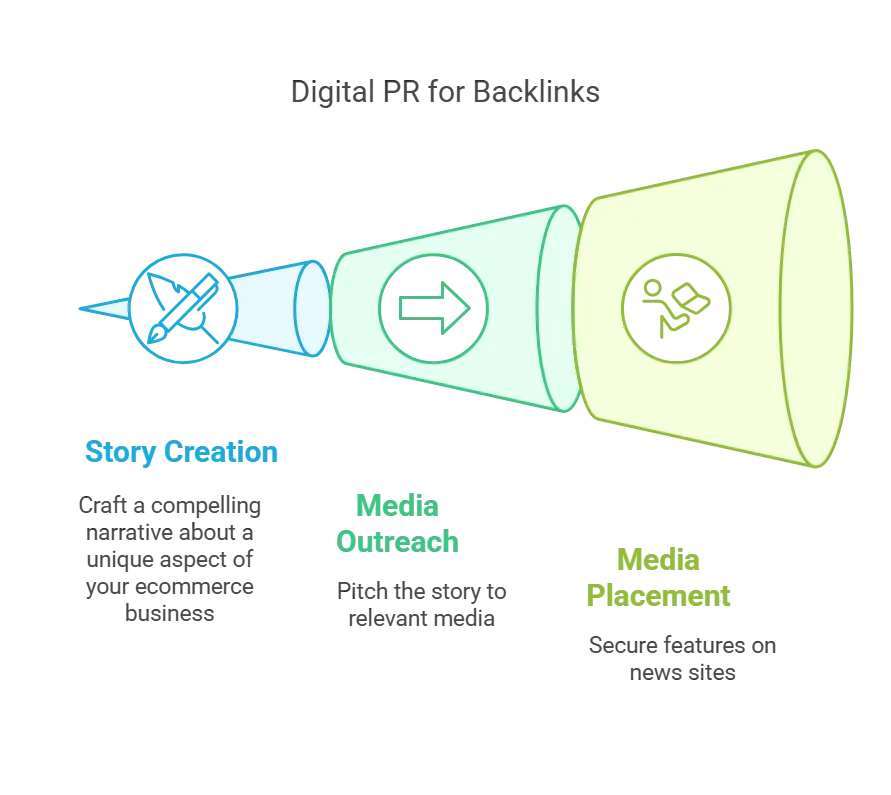
First, find a genuinely news-worthy angle. What’s your business doing that’s actually unique? A distinctive product, a charity partnership, valuable survey data. Turn it into a story that niche news blogs would want to cover, something that interests a broader audience, not just a product announcement. Look at what similar stories other blogs in your industry have run for inspiration.
Once you’ve built the piece, pitch it directly to relevant news blogs and publishers. For scoring these placements, check out HARO alternatives worth trying.
3. Replace Dead Backlinks
One of my favorite tactics: turning someone else’s dead links into live ones pointing at me. Links break constantly, deleted pages, technical issues, whatever. Find broken pages on competitor sites that still carry a good number of backlinks, build strong content on the same topic, then pitch the referring domains to replace the broken link with yours.
Open Semrush’s Backlink Analytics and run a competitor’s domain. Go to Indexed Pages, click Broken Pages.
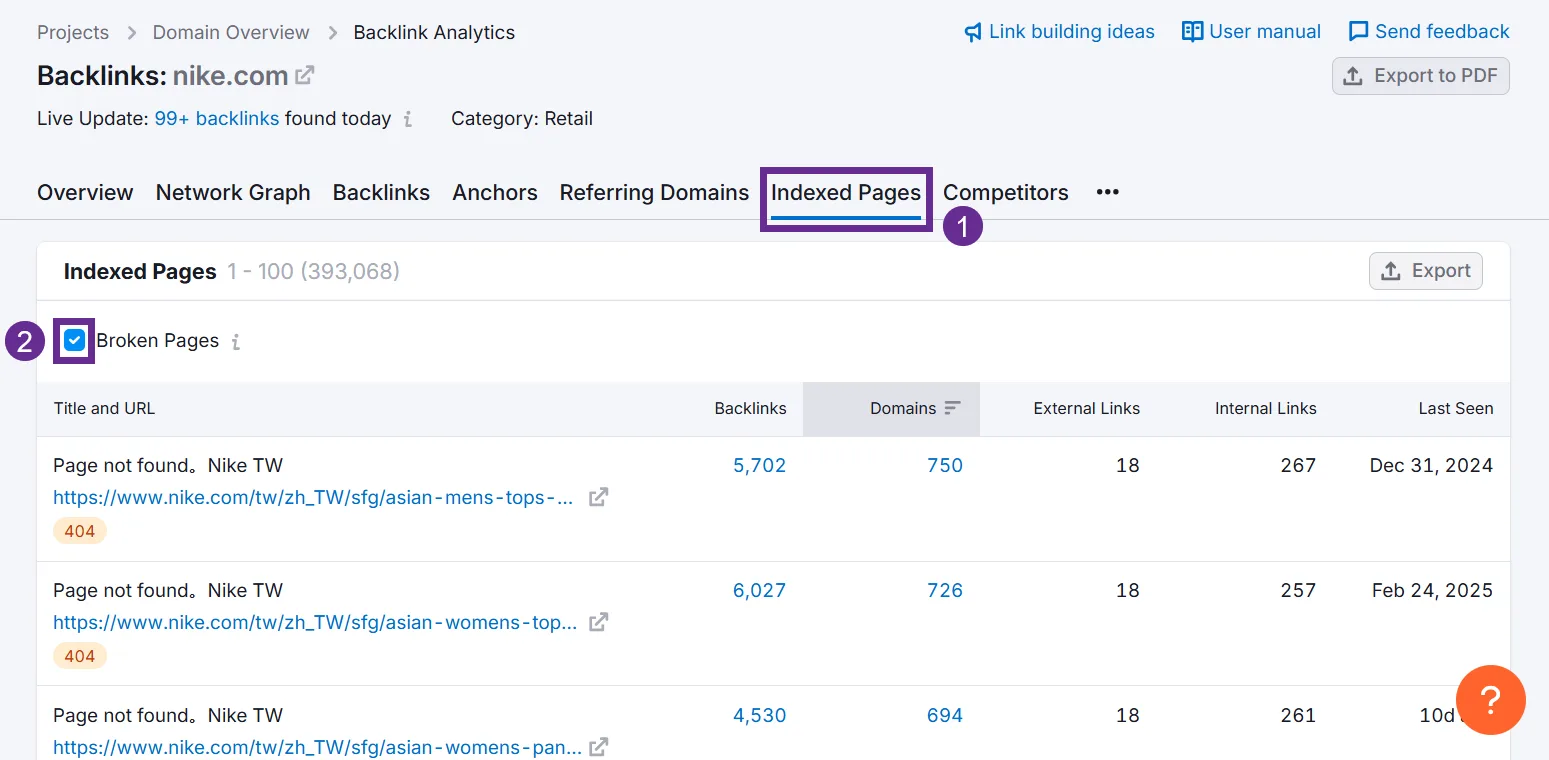
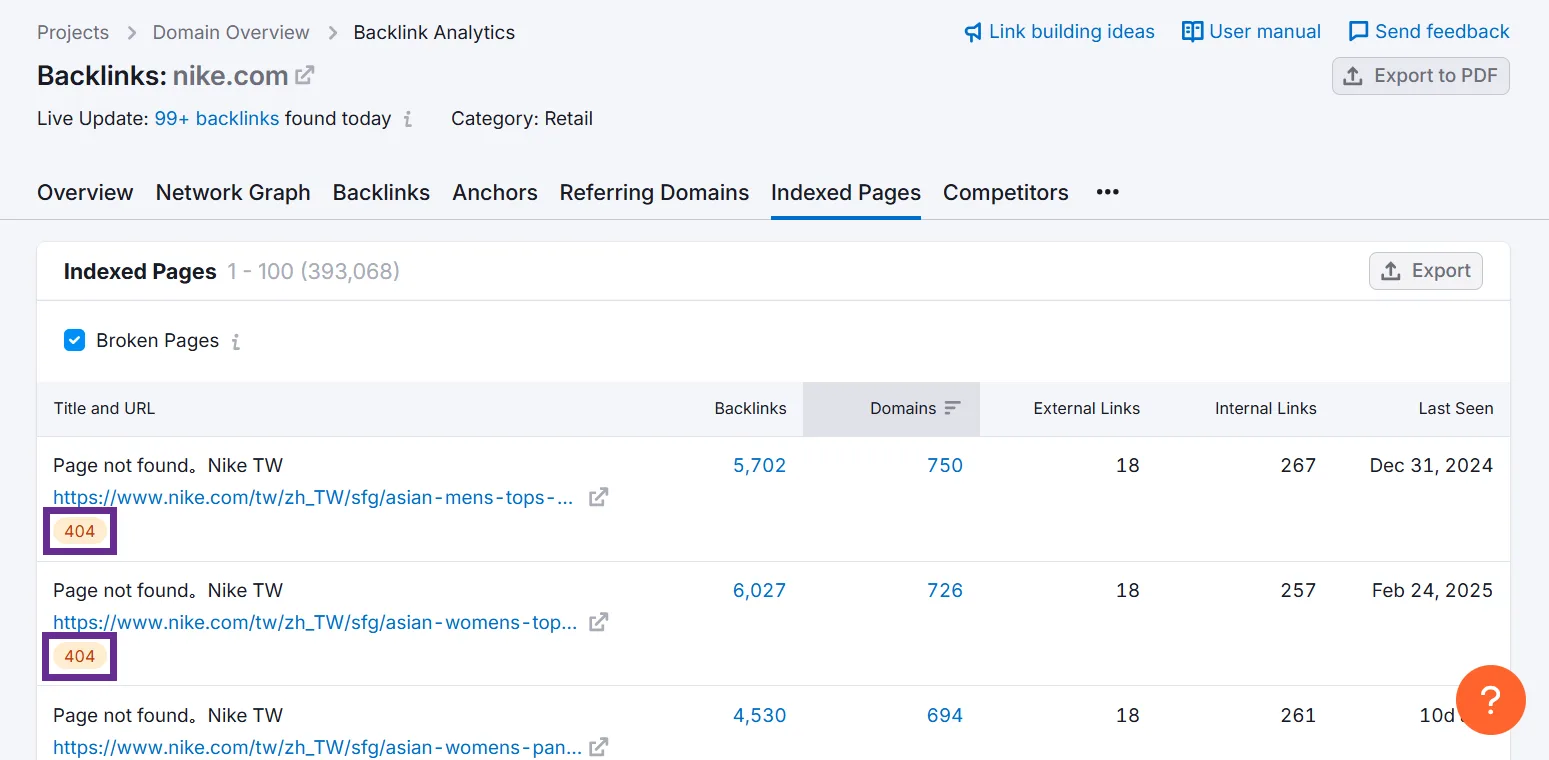
Look for pages returning a 404.
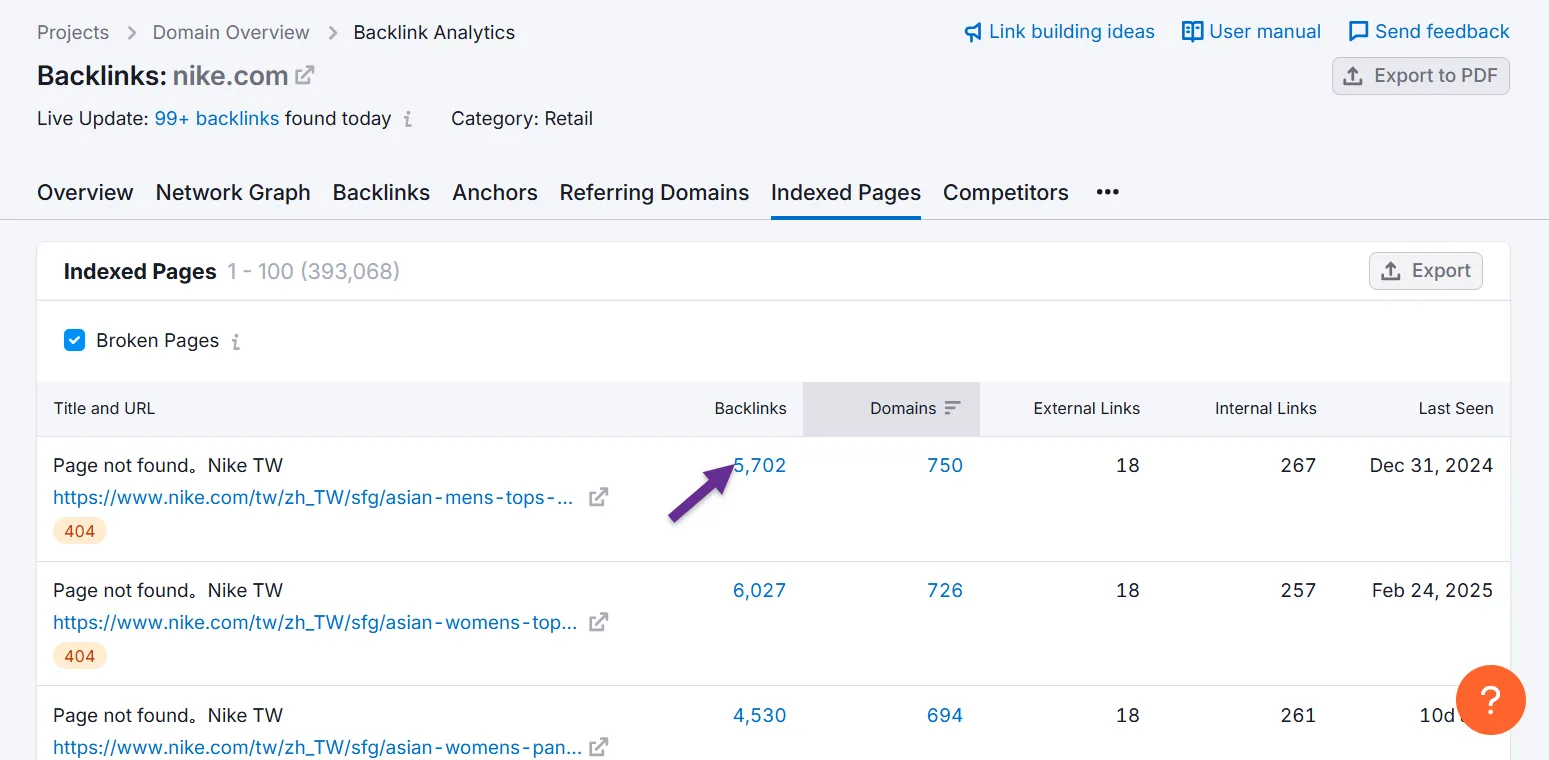
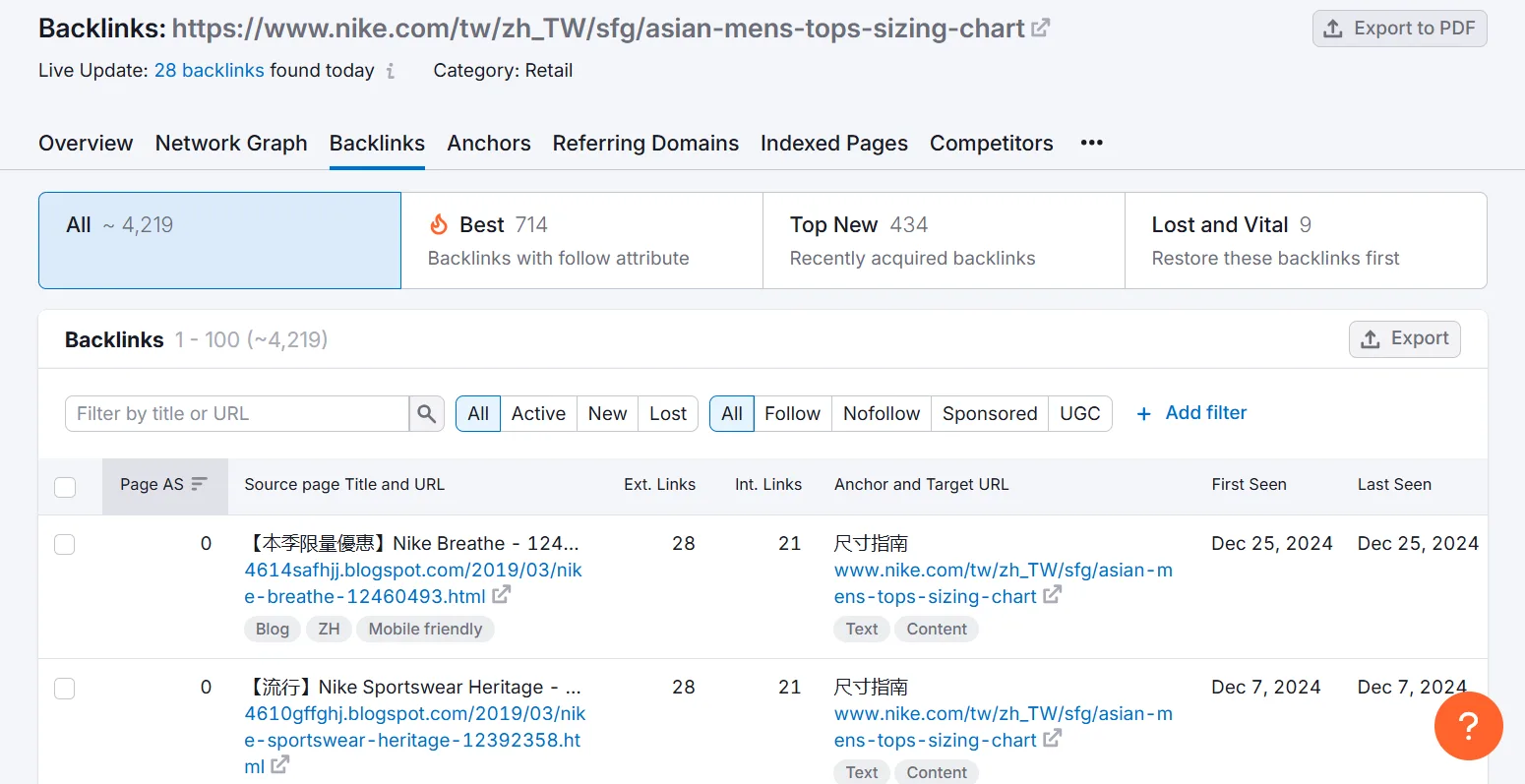
Click the Backlinks number next to a broken link to see which domains still reference it.
That gives you a real prospect list.
Build genuinely valuable content on the topic and pitch it as a substitute for the competitor’s broken link. Nobody wants a dead resource on their page, so if your content covers the topic comprehensively, most site owners are happy to swap it in and link to you.
4. Target Resource Pages in Your Niche
Plenty of sites maintain dedicated “resources” pages packed with helpful links on a given topic. Sell organic dog food and have a “Guide to Canine Nutrition” post? Pitch it to pet care resource pages on vet clinic and adoption sites.
Search for relevant resource pages with advanced queries like site:.edu [topic] resources.
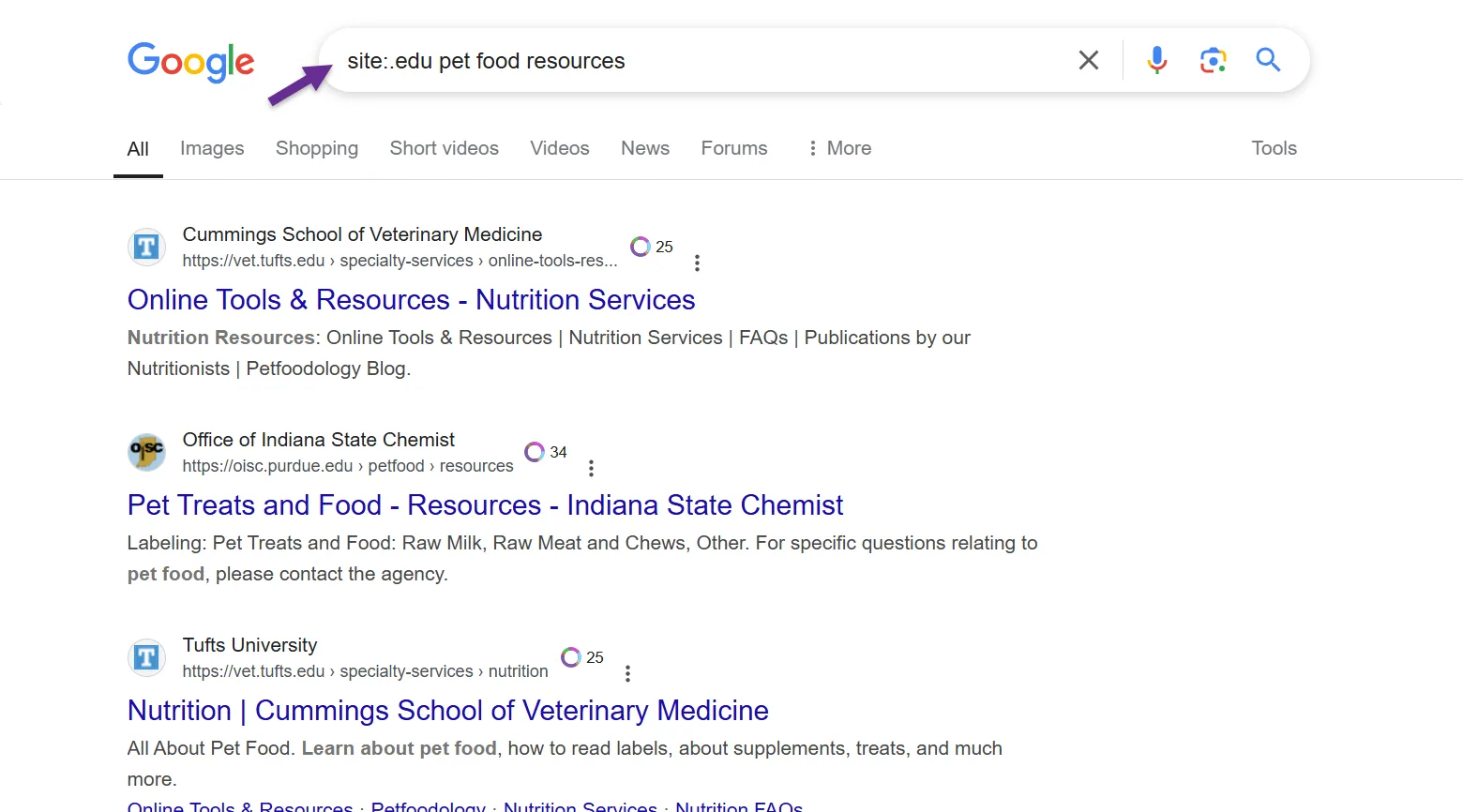
Check that pages have solid authority scores and real topical relevance to your business. Look at what they’re already linking to, is that something you have, or something you could create that no other resource covers yet? If you already have content that adds genuine value, reach out and pitch it, explaining specifically how it helps their readers.
5. Reclaim Unlinked Brand Mentions
An easy win, though it won’t do much for a very new brand. If your site’s been around a while, chances are people mention it somewhere online without linking back. Catch those and turn them into backlinks.
Google Alerts is the simplest free way to do this. Enter your brand name and it’ll surface posts mentioning you.
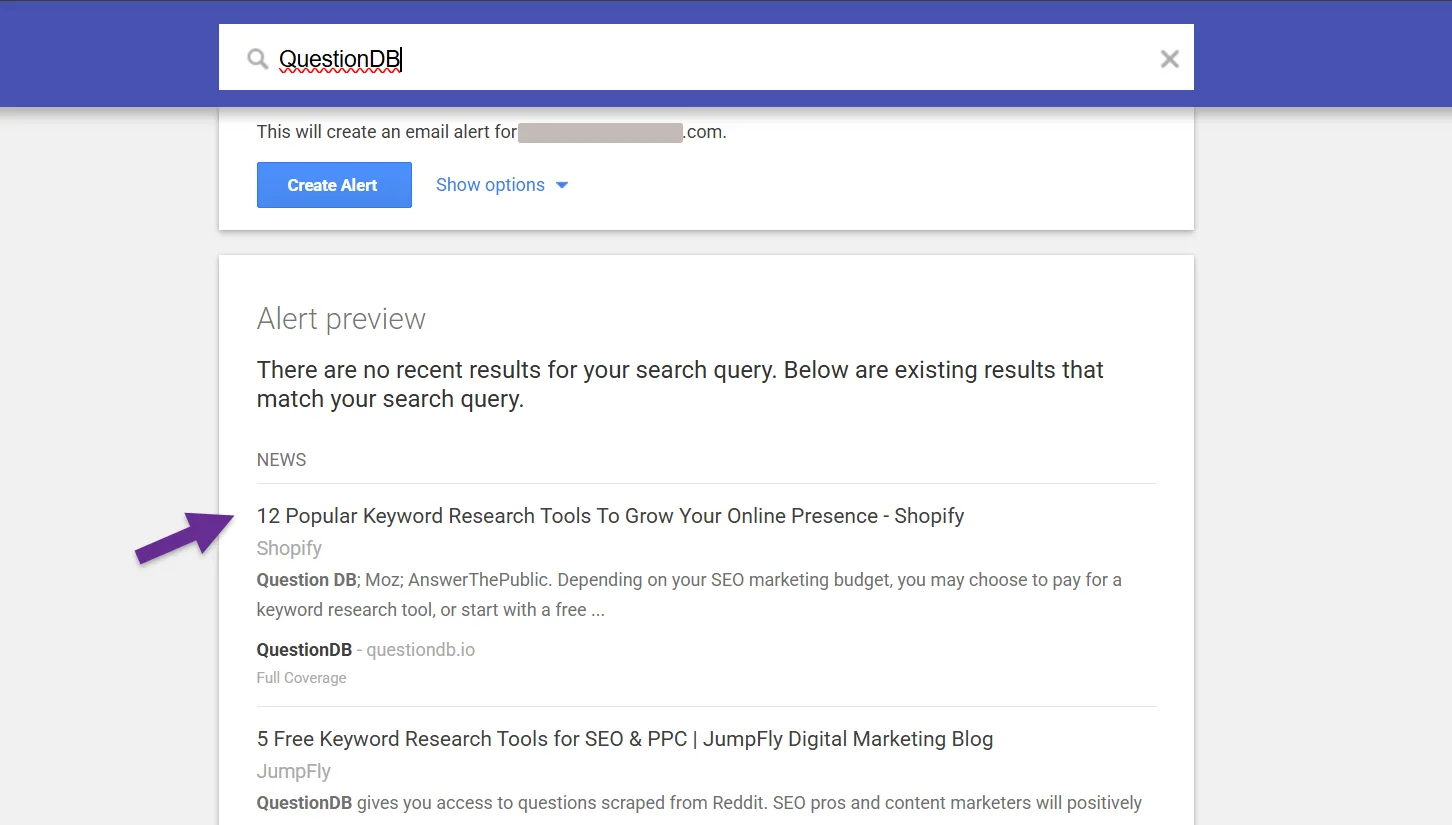
Reach out and ask them to link it. Something as simple as: “Thank you so much for featuring us! Would you mind linking our name to our website in your article so your readers can find us? Here’s the link: [URL].” Most sites happily oblige, they’re already writing about you positively, and it improves their own readers’ experience too.
Set up Google Alerts for your brand name and key product names so you don’t miss mentions going forward.
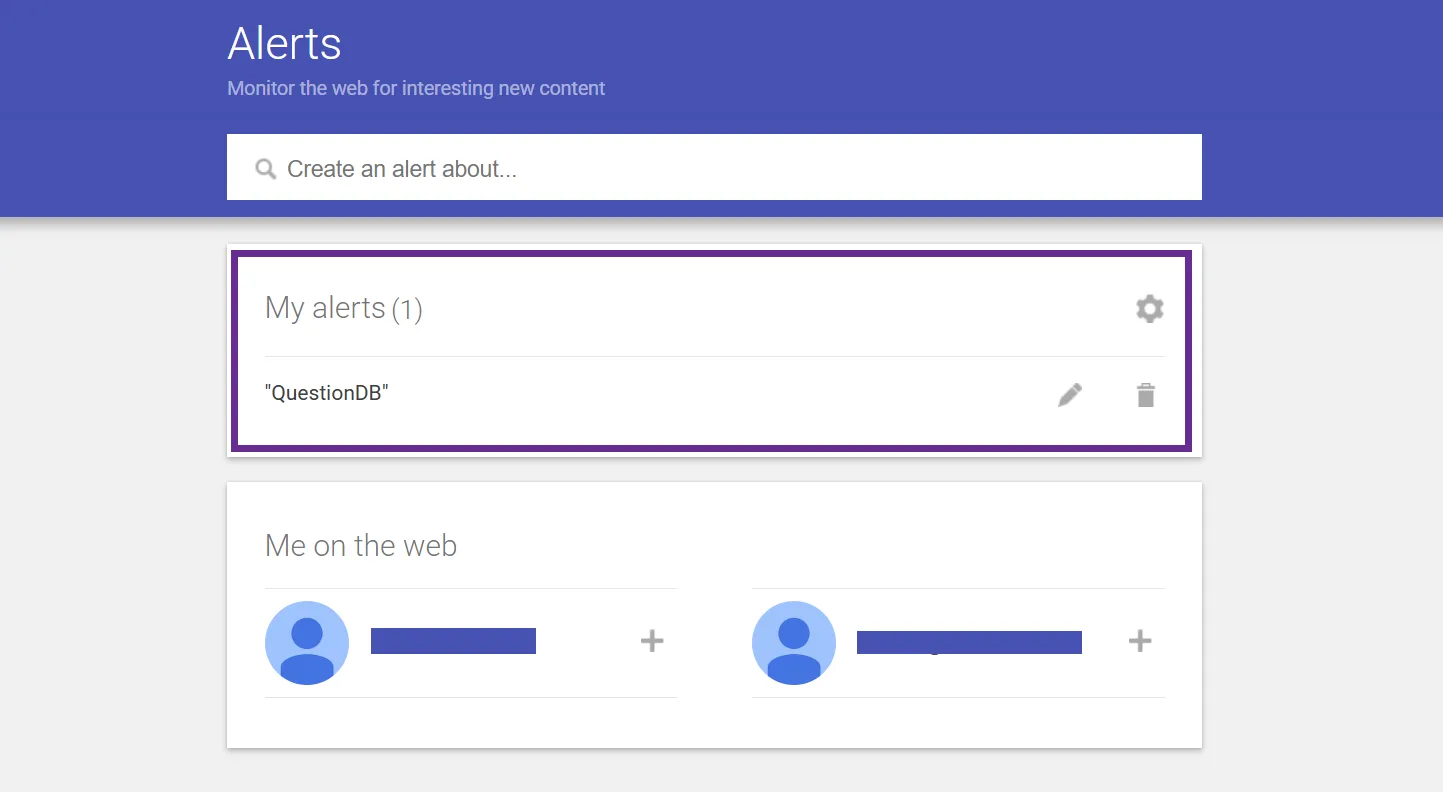
A dedicated backlink monitoring tool can help you track unlinked mentions systematically too.
6. Expert Roundups and Industry Interviews
Sometimes the move is to shine the spotlight on others. Hosting expert roundups or interviews naturally earns links when those experts and their followers share the piece.
I once ran an expert roundup, “10 Chefs Share Their Essential Kitchen Tools,” for a cookware client. We reached out to well-known cooking blogs and got quotes from several famous chefs. The content ranked well and pulled in a ton of backlinks from chefs’ sites and culinary blogs, and it boosted the client’s social presence too.
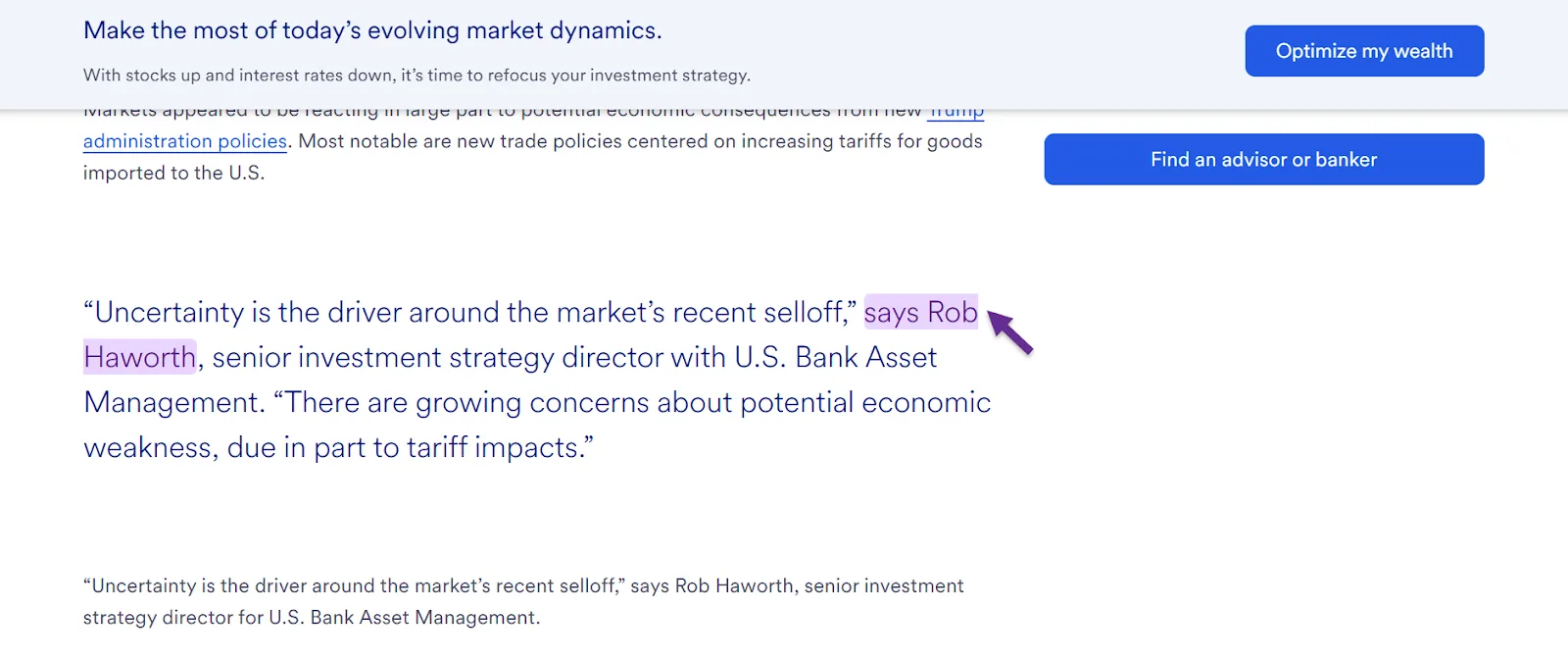
Find a topic or question that lets you gather insights from multiple influencers or experts in your niche. Figure out popular pain points around it, turn them into strategic questions, and reach out for quotes. Explain your theme and its value to them clearly, and mention that you’ll link to their site, that incentive noticeably improves response rates. Once published, follow up with the link and a quick summary, and ask them politely to link back.
7. Create Linkable Assets (Tools, Calculators & More)
A genuinely useful tool or resource attracts backlinks on autopilot. Sell nutrition supplements? A free Vitamin Intake Calculator could add real value for your audience and pull backlinks from health bloggers and even .edu wellness resource pages.
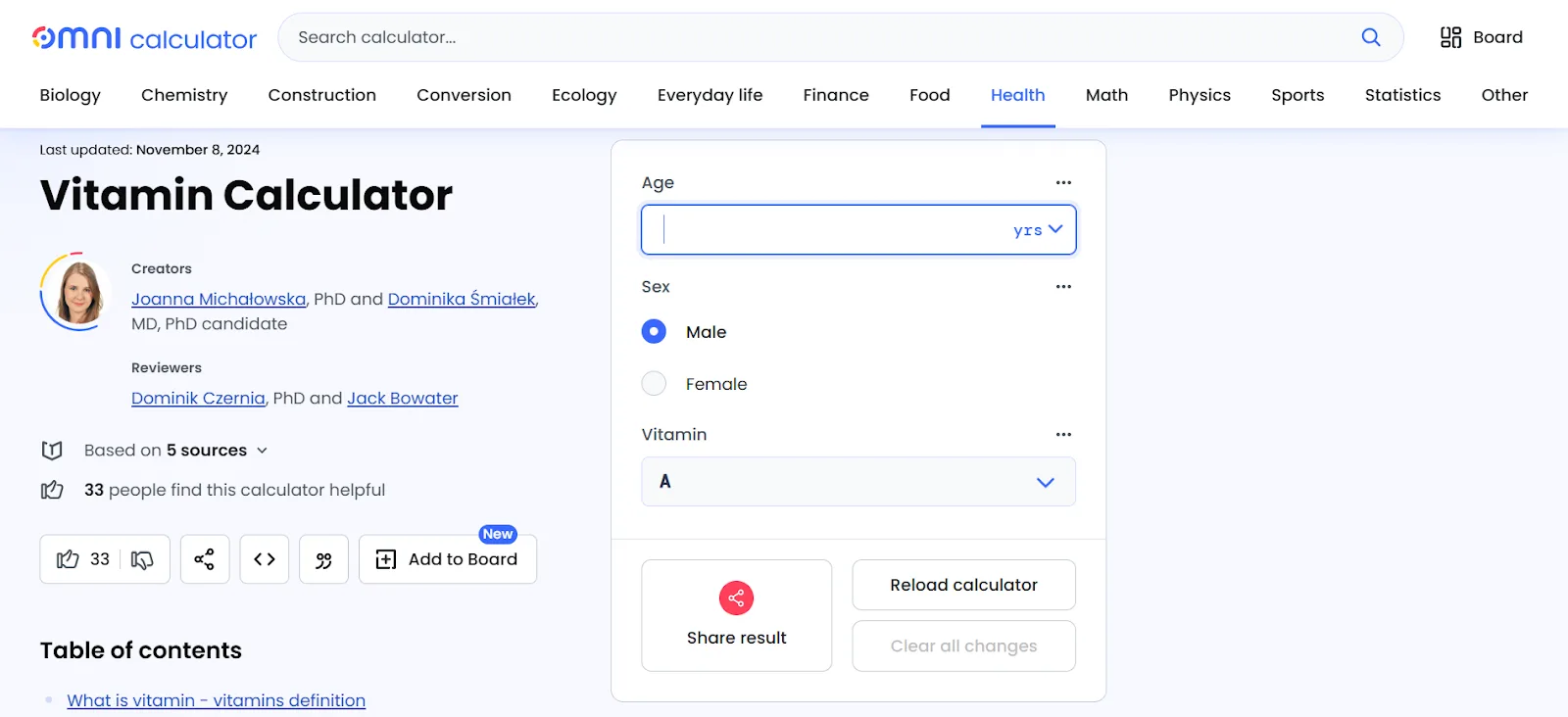
If you already have something like this, reach out to sites where it would genuinely add value to their content. To build one, think about what would actually help your customers or broader community, calculators, interactive quizzes, downloadable templates, or well-designed infographics compiling useful data.
Make it easy to share and link to. For an embeddable asset like an infographic or widget, provide embed code that credits and links back automatically, that alone drives more sharing. But the real driver is utility: if something is genuinely valuable, people link to it without being asked.
Create Kickass Content & Promote It
Every one of these strategies comes back to the same thing: quality content. No authoritative site links to you without it (well, except PBN sites, and you don’t want those backlinks anyway).
Build content that genuinely helps your community, then promote it aggressively.
More strategies to earn backlinks:
↳ 7 Ways to Get Backlinks from Gov Sites
↳ International Link Building Strategies That Actually Work
↳ PBN Backlinks – What They Are & Why I Avoid Them
Frequently Asked Questions
Can an ecommerce website benefit from backlinks?
Yes. Backlinks can significantly boost an ecommerce site’s search rankings, driving more organic traffic and sales. High-quality backlinks from reputable sites enhance domain authority and credibility, making your store more visible to potential customers.
How to build backlinks for an ecommerce website?
Create valuable content like guides, engage in guest blogging, collaborate with influencers on product reviews, and run digital PR campaigns. Shareable assets like infographics and tools also naturally attract backlinks from relevant sites over time.
What is ecommerce link building?
The process of acquiring external links from other websites to your online store. These backlinks signal to search engines that your site is trustworthy and authoritative, improving rankings and visibility, which drives more traffic and sales.
How do beginners get backlinks?
Start with high-quality, genuinely shareable content that naturally attracts links. Guest post on relevant blogs, participate in industry forums, and use social media to promote your content, all effective, low-barrier ways to start earning backlinks.
What are commerce links?
Often referring to affiliate links, URLs provided by merchants that affiliates use to promote products or services. When users click and purchase, affiliates earn a commission, driving traffic and sales to the merchant’s site.
What is a B2B link?
A hyperlink from one business’s website to another’s. Common in B2B marketing, these links facilitate partnerships, resource sharing, and boost SEO by signaling credibility and authority within a specific industry.