


What tells you that a backlink is worth chasing and not a waste of your outreach time?
Guesswork won’t do it. You need the right link building metrics to separate relevant, high-quality backlinks from links that do nothing for your rankings. This guide walks through the metrics that actually matter, how to measure them, and what to do once you know where your backlink profile stands.
What Are Link Building Metrics?
Link building metrics tell you the real story behind your backlink profile. They show you not just how many links you’ve earned, but how valuable those links actually are to your site’s performance. There are two broad types: quantitative and qualitative.
Quantitative metrics give you raw numbers like total backlink count, unique referring domains, and so on. Useful, but they only tell part of the story.
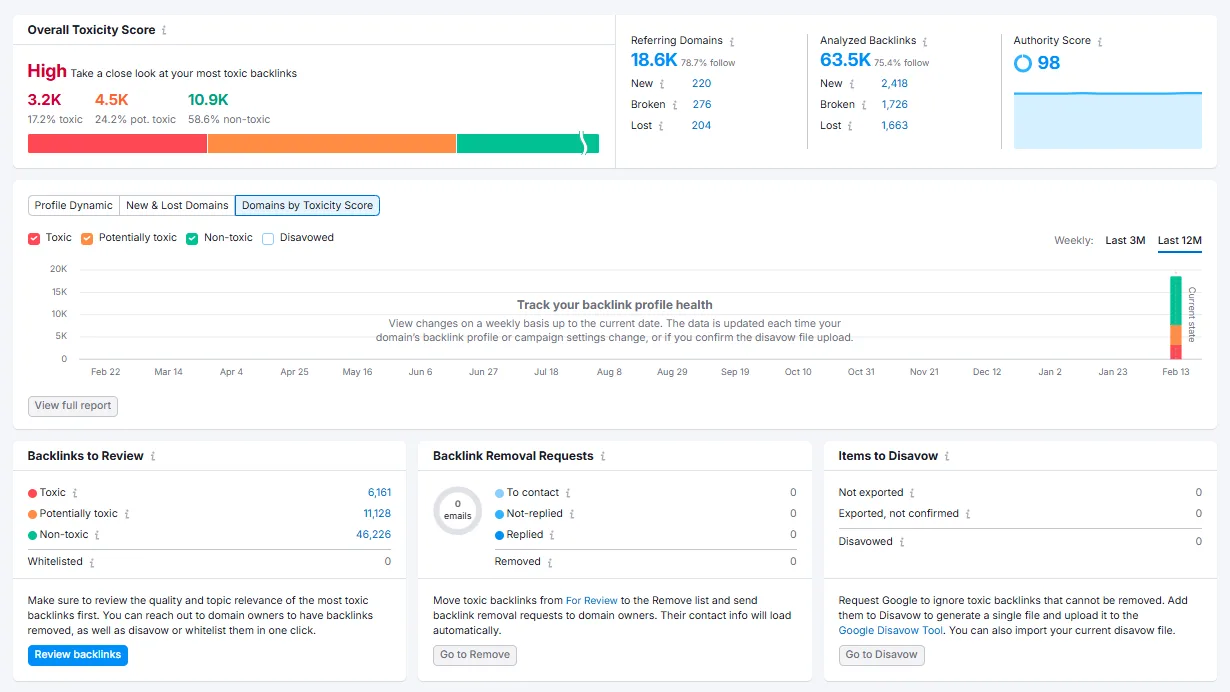
Qualitative metrics like link quality, topical relevance, and toxicity show you which links actually move your rankings. Tools like Semrush and Ahrefs score toxicity to help flag harmful backlinks before they hurt your site.
Where a link is placed on a page matters too. A link buried in a footer carries far less weight than one placed naturally inside body content. Get a feel for these nuances and you’ll build a link strategy that produces real ranking gains, not just numbers on a dashboard (and, done carelessly, a penalty along with them).
Link Building Metrics You Should Track
1. Domain-Level Metrics
Domain Authority (or Semrush’s Authority Score) predicts how likely a website is to rank in search results. It’s a predictive metric, not a Google ranking factor, but it’s genuinely useful for comparing your site against competitors and sizing up where a prospective backlink is coming from.
When you land a backlink, check the referring domain’s Authority Score in Semrush’s Domain Overview. It runs 0 to 100, built from the domain’s backlink profile, organic traffic, and spam signals.
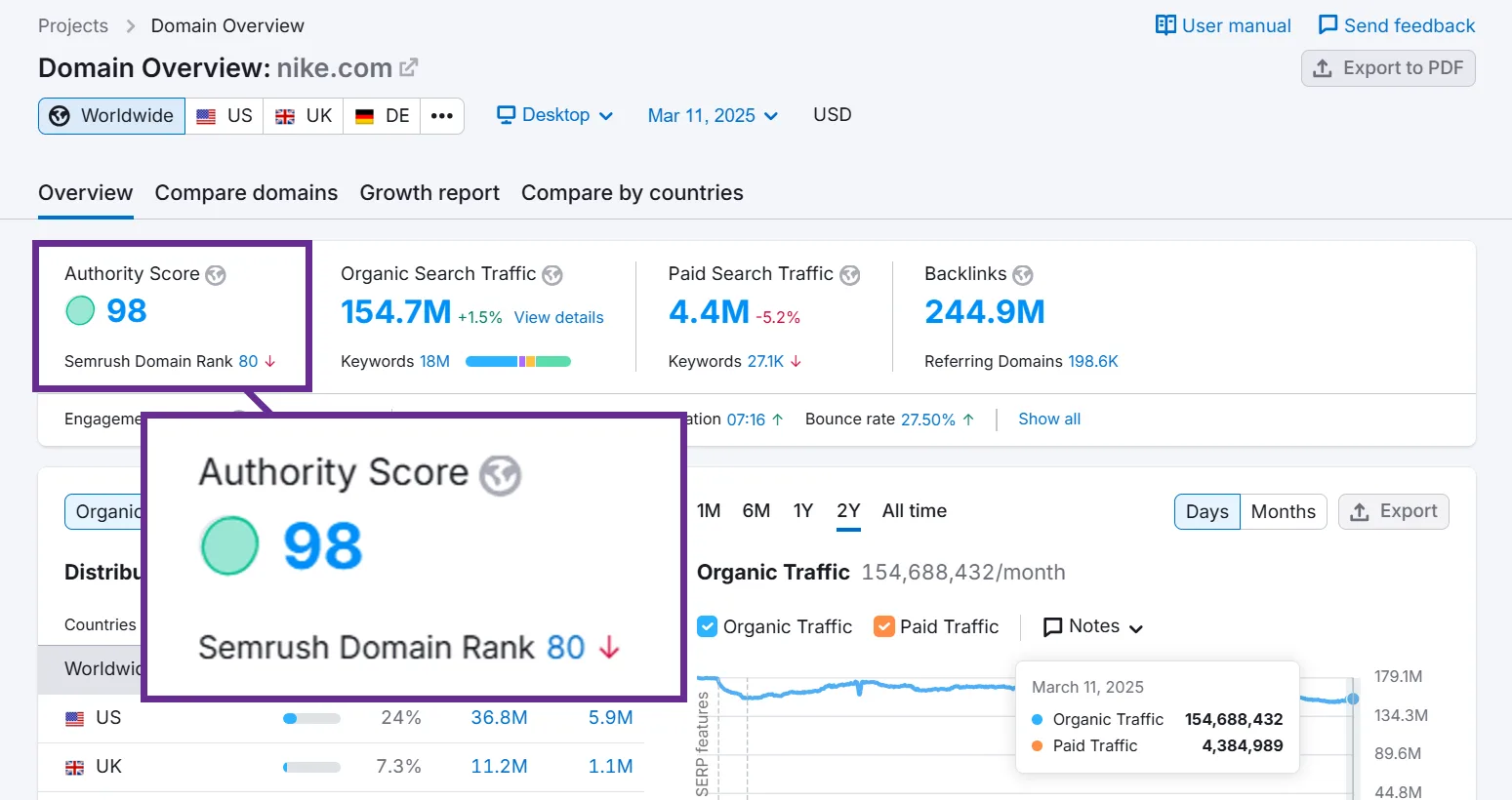
As a rule of thumb: an Authority Score above 50 is generally solid, the range you’d expect from established industry blogs and major publications. Below 40 isn’t disqualifying, especially if the link sends real, relevant traffic… but it’s not a domain worth prioritizing outreach around.
2. Page-Level Metrics
Every page on a site has its own ranking potential, independent of the domain it sits on. Page Authority (PA) and URL Rating (UR) tell you which specific pages are likely to pass real value.
Look for a UR in the 50–70 range. Pages in that band tend to carry strong SEO value. Check the referring page’s UR, not just the domain’s score, before you invest outreach effort in it. A low page-level rating caps how much a backlink from that page can help you, even on an otherwise authoritative domain.
3. Quantity Versus Quality
Scaling your backlink count matters, but only in service of quality. Chasing volume for its own sake is how profiles end up penalized. A few things worth checking before you count a link as a win:
↳ High-authority referring domains. A single backlink from a high-authority domain outweighs a pile of low-DR links.
↳ Varying, natural anchor text. A pattern of heavily-optimized anchor text is a red flag to Google. Anchor text should reflect what the linking page is actually about, with a healthy mix of your brand name, generic phrases (“click here”), and topical variations, not the same exact-match keyword every time.
↳ Contextual placement. Links buried in footers, sidebars, or comment sections carry low SEO value and get far less real traffic than one placed inside the body content your audience is actually reading.
↳ Referral traffic and visitor behavior. A backlink’s job isn’t only to pass SEO value. It should expose your content to a relevant audience too. If a link sends little traffic, or the visitors it does send bounce immediately, that’s a sign the placement isn’t reaching the right audience.
4. Dofollow Versus Nofollow
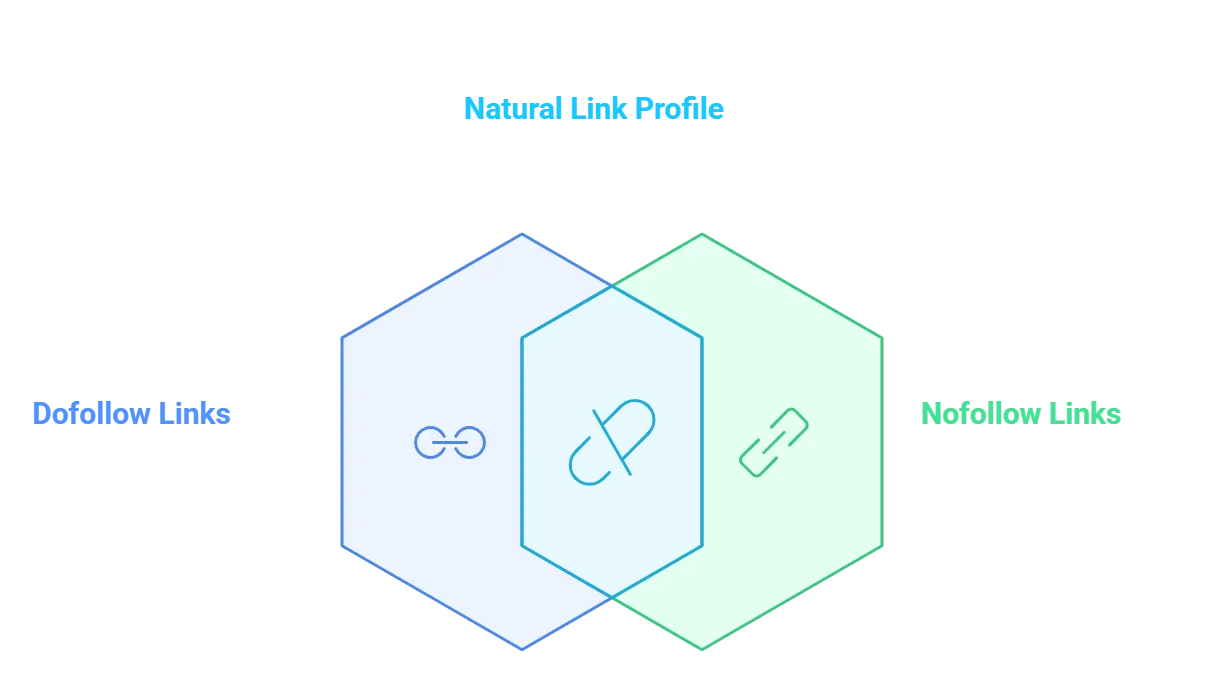
Backlinks come in two forms: dofollow links pass ranking value directly; nofollow links don’t. That doesn’t mean nofollow links are worthless. They still send referral traffic and help contribute to a natural-looking link profile.
At the same time, a profile stacked with low-quality, suspicious nofollow links isn’t doing you any favors either. Aim for a natural mix of both. Leaning exclusively on dofollow links is itself a pattern that can look manufactured to Google.
5. Brand Mentions and Sentiment
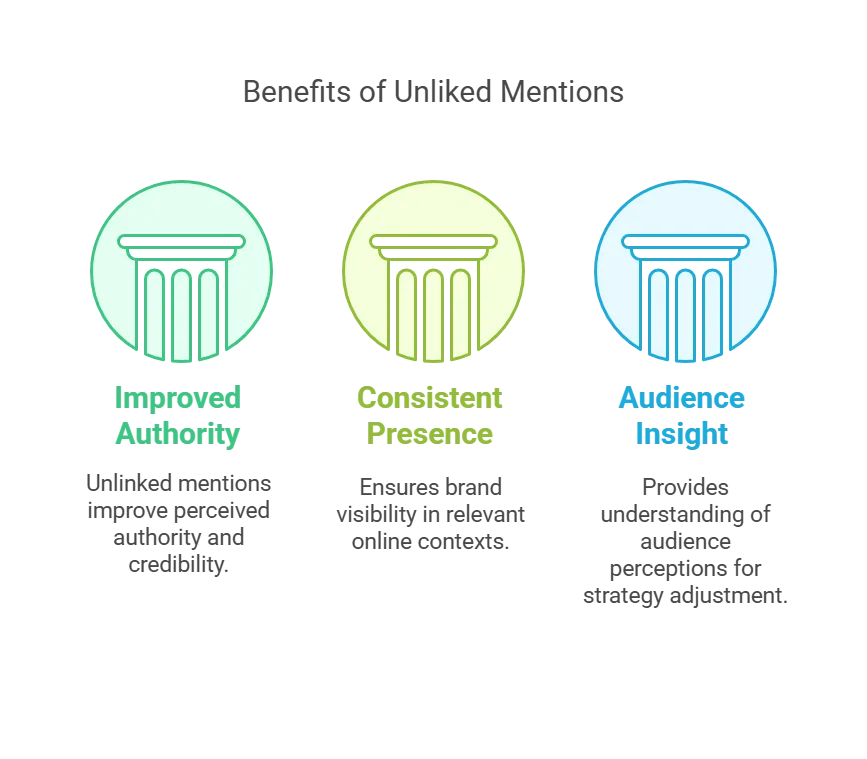
Even brand mentions that never turn into a link contribute to perceived authority. Track them anyway. Consistent, relevant mentions across the web build trust signals a link count alone won’t capture, and they tell you how your audience actually talks about your brand, which is useful input for your broader content strategy. A backlink monitoring tool that also surfaces unlinked mentions makes this easy to keep an eye on.
How to Improve Your Backlink Metrics
↳ Publish content people naturally link to. Detailed guides, research-backed articles, and original case studies earn backlinks organically. No outreach required.
↳ Do personalized outreach. Reach out individually to blogs and creators in your niche, and be specific about how linking to your content benefits their readers. Personalized pitches land placements that are more contextually relevant than a generic mass email ever will.
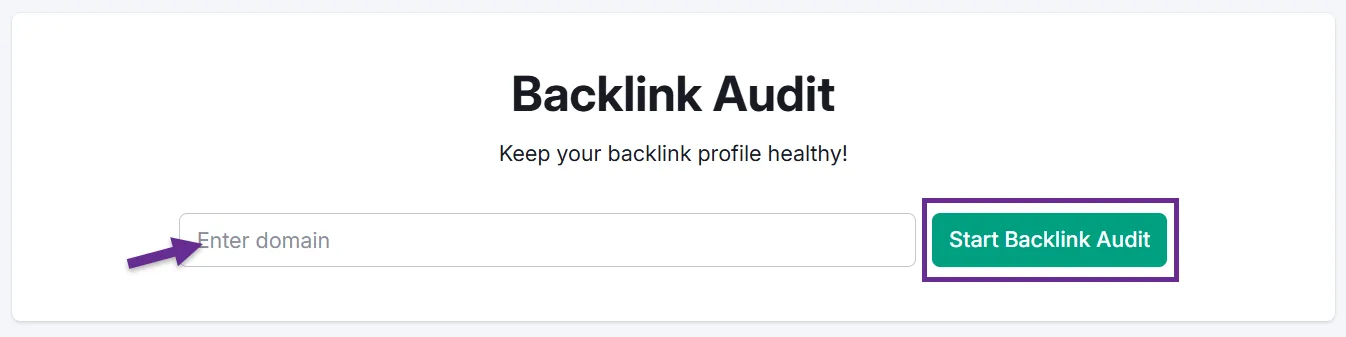
↳ Remove toxic backlinks regularly. In Semrush’s Backlink Audit tool, enter your domain and run an audit.
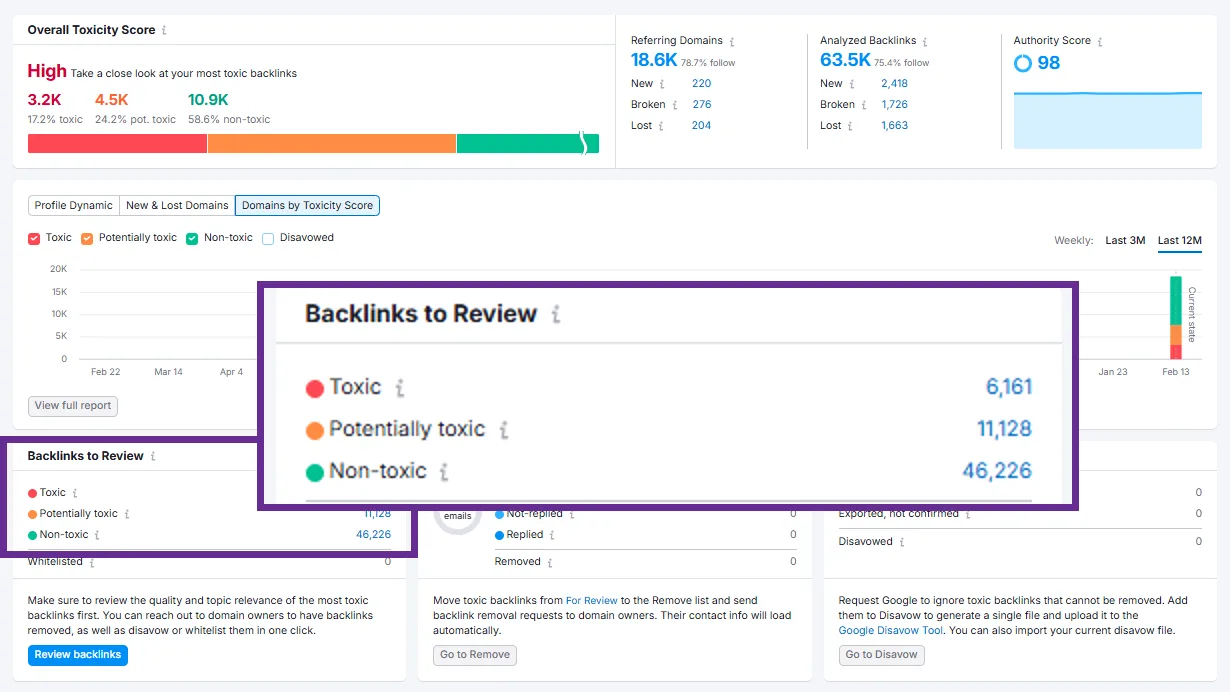
Review the Toxic and Potentially Toxic backlinks it flags to see which links are hurting your profile and where they’re coming from.
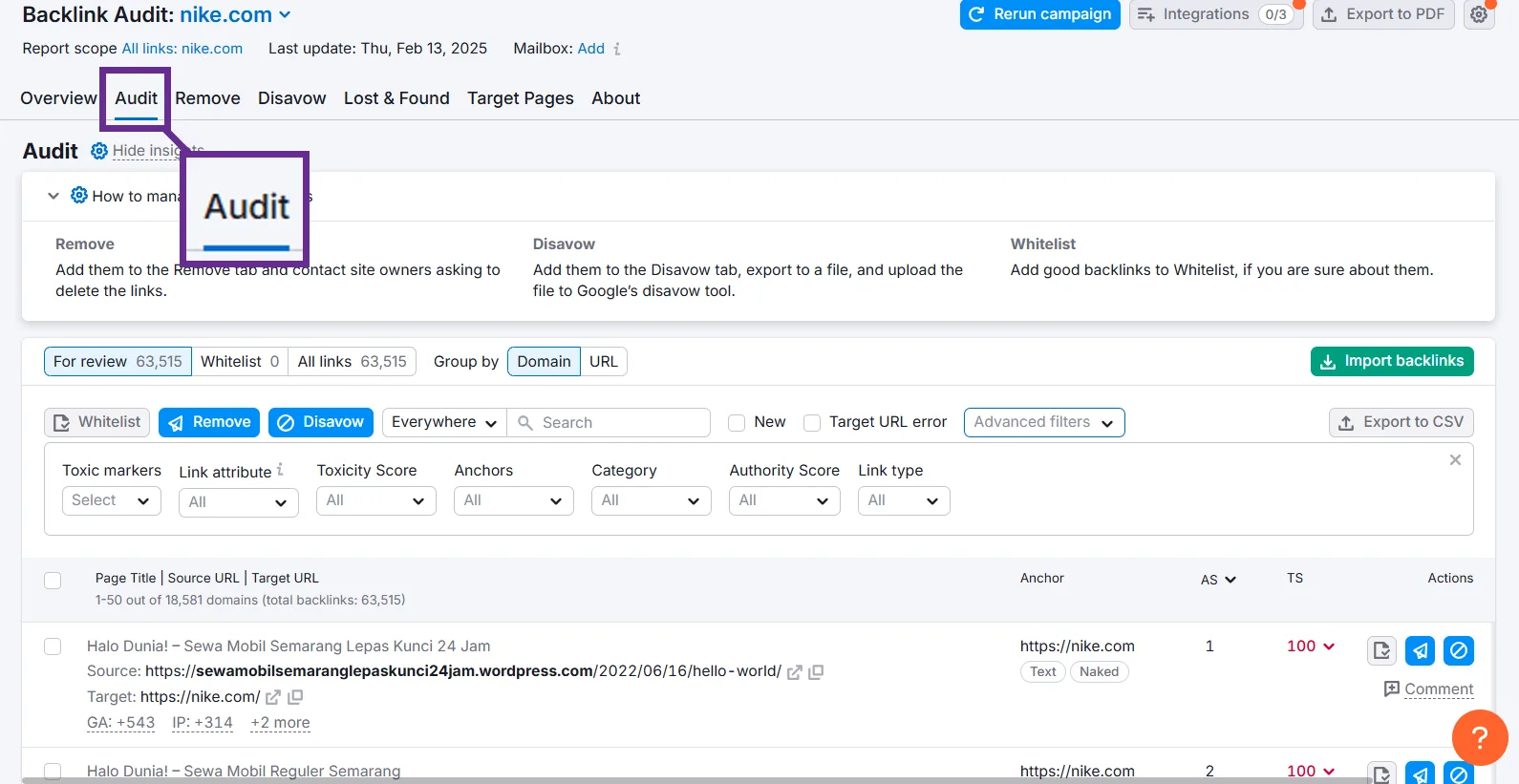
From there, select the links you want to whitelist, remove, or disavow.
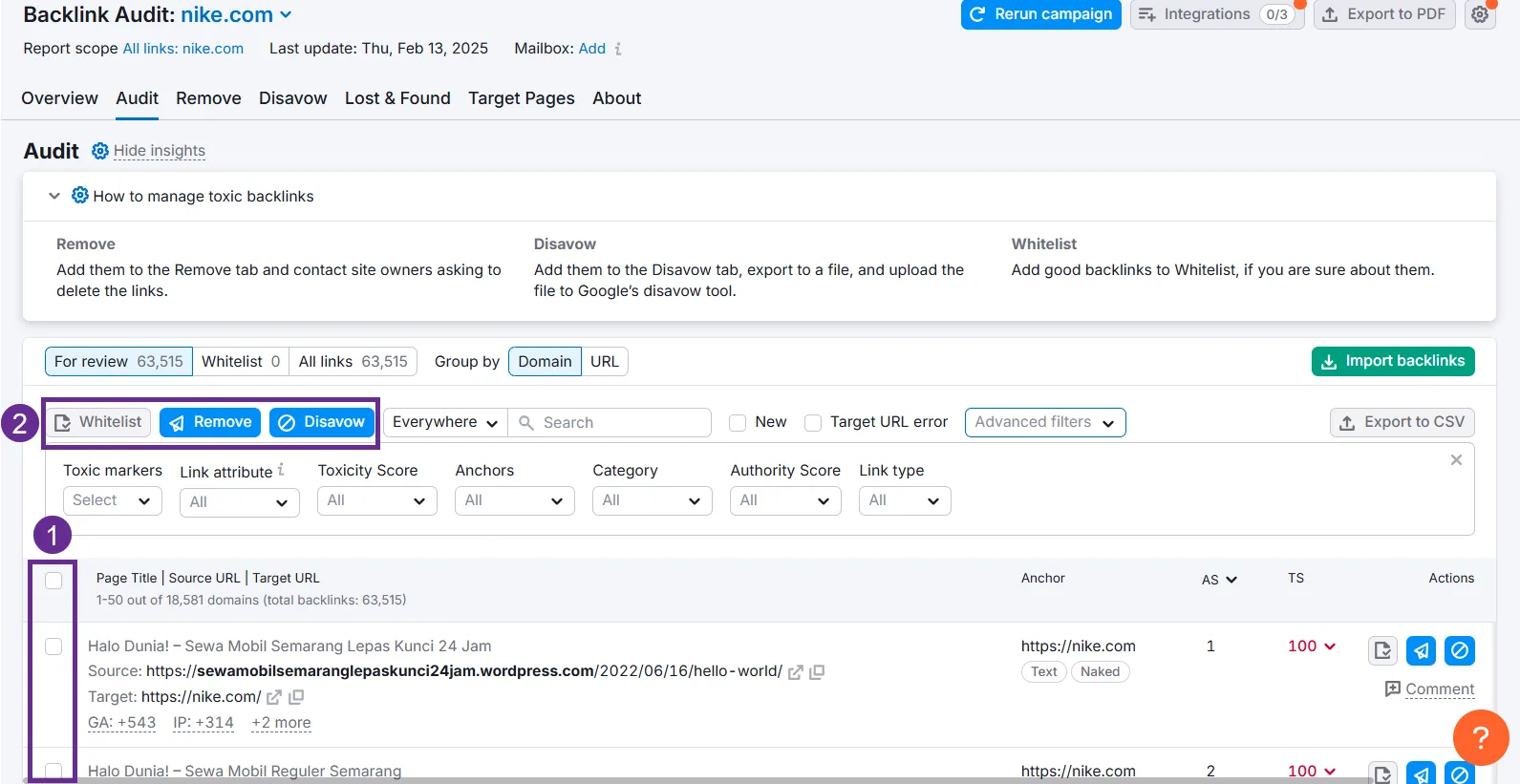
For anything genuinely suspicious or toxic, disavow it through Google’s Disavow Tool.
↳ Focus link-building effort on quality placements. Prioritize outreach toward sites with strong Domain Authority or URL Rating. Links from higher-quality sites carry more SEO weight per link earned.
↳ Monitor your backlink growth rate. Aim for steady, natural growth, roughly 5–10% per month. A sudden spike reads as unnatural to Google and can trigger a manual review.
Track Backlink Metrics to Keep a Healthy Profile
Review your backlink profile against these metrics regularly to weed out bad links and keep your profile healthy. The goal isn’t just accumulating backlinks. It’s maintaining a profile of high-quality, relevant links that bring real SEO value and referral traffic to your site. For a broader list of tools that help with the monitoring and outreach side of this, see our link building tools directory.
Frequently Asked Questions
What are tier 1, 2, 3 backlinks?
Tier 1 backlinks link directly to your website from reputable sources. Tier 2 backlinks link to your tier 1 sources, boosting their strength indirectly. Tier 3 backlinks point to tier 2 links, generally lower-quality, serving only to amplify tier 2 backlinks and add SEO momentum indirectly.
What is a good backlink score?
A good backlink score usually means a Domain Authority or Authority Score of 50 or higher. Scores above 60 indicate a very strong backlink profile. Scores below 40 suggest moderate quality, still valuable if the link is highly relevant to your niche.
How do I analyze a backlink profile?
Use a tool like Semrush or Ahrefs to check total backlinks, unique referring domains, domain- and page-level authority, anchor text diversity, and link type (dofollow vs. nofollow). Evaluate quality by watching for unnatural patterns, spammy sources, or suspicious anchor text and placements.
What is backlink gap analysis?
Backlink gap analysis identifies links your competitors have that you don’t. Enter your domain and your competitors’ domains into Semrush’s or Ahrefs’ “Backlink Gap” tool. It surfaces missed opportunities so you can target the same linking domains and close the gap.
How do I get my backlinks indexed faster?
Submit the URL directly via Google Search Console’s URL Inspection tool and request indexing. Sharing the link on active social platforms can also help crawlers discover it sooner, speeding up how quickly Google recognizes the link.
What is a toxic score?
A toxic score estimates how likely a backlink is to harm your site. Tools like Semrush assign a 0–100 toxicity score, and scores above 60 signal a harmful link. High-toxicity backlinks usually indicate spam or unnatural linking and are worth removing or disavowing promptly.
How do I evaluate backlink quality?
Check domain authority, topical relevance, anchor text variety, placement (contextual beats footer/sidebar), the referral traffic it actually sends, and its toxicity score. The best backlinks come from authoritative, relevant sites that send real visitors without any spam signals attached.
Which backlinks should I avoid?
Avoid links from spammy or irrelevant sites, PBNs, comment spam, unrelated directories, and footer/sidebar placements, especially any with unnatural, keyword-stuffed anchor text. Paid links, link farms, and high-toxicity sources are worth steering clear of entirely.
How do I clean up my backlink profile?
Audit your backlinks with Semrush or Ahrefs to identify harmful or toxic links, then contact site owners to request removal. If they don’t respond, disavow the toxic links through Google’s Disavow Tool, and audit regularly to keep the profile clean long-term.
Which type of backlink is most powerful?
Editorial backlinks from authoritative, trusted sites in your niche, think leading industry blogs, major news outlets, or educational and government domains, are the most powerful. They carry outsized weight for credibility, rankings, and organic traffic relative to an average link.