



Let’s address the elephant in the room: keyword research is boring.
And if you’re new to it, it can be intimidating, frustrating, and borderline overwhelming. So here’s a checklist that takes the guesswork out of what to do and when to do it as you research keywords.
A Few Things to Prep Before Any Keyword Research
1. Clarify Your Business Goals
Before jumping into keyword research, take a moment to define your goals.
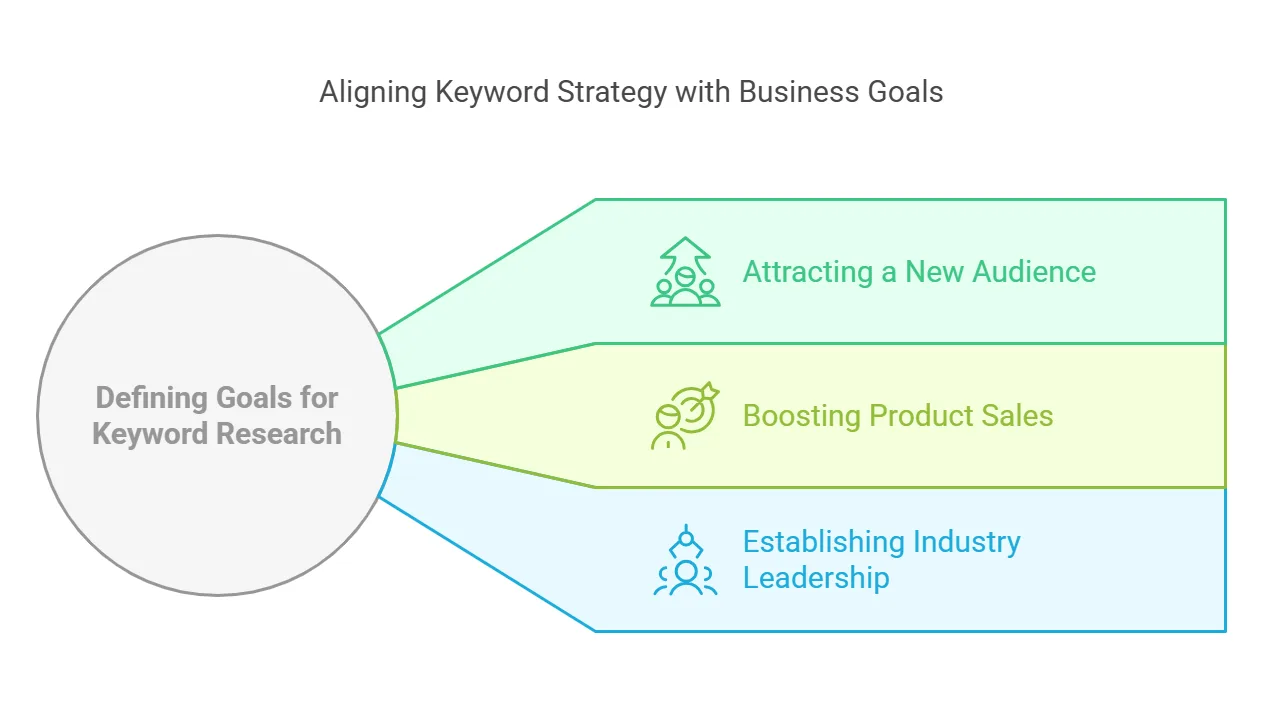
Do you want to:
→ Establish yourself as an industry leader?
→ Attract a new audience?
→ Drive more sales?
Clear objectives make it far easier to choose keywords that align with your overall vision.
2. Identify Your Target Audience
Don’t just guess who you’re talking to, really get to know them. Build audience personas, map out their journey, and understand their core problems. That way, when you pick keywords, you’re not throwing darts at a board, you’re zeroing in on what your ideal customers actually search for and need.
Start by identifying your ideal customer profile (ICP). Here’s the process using a pest control service as an example.
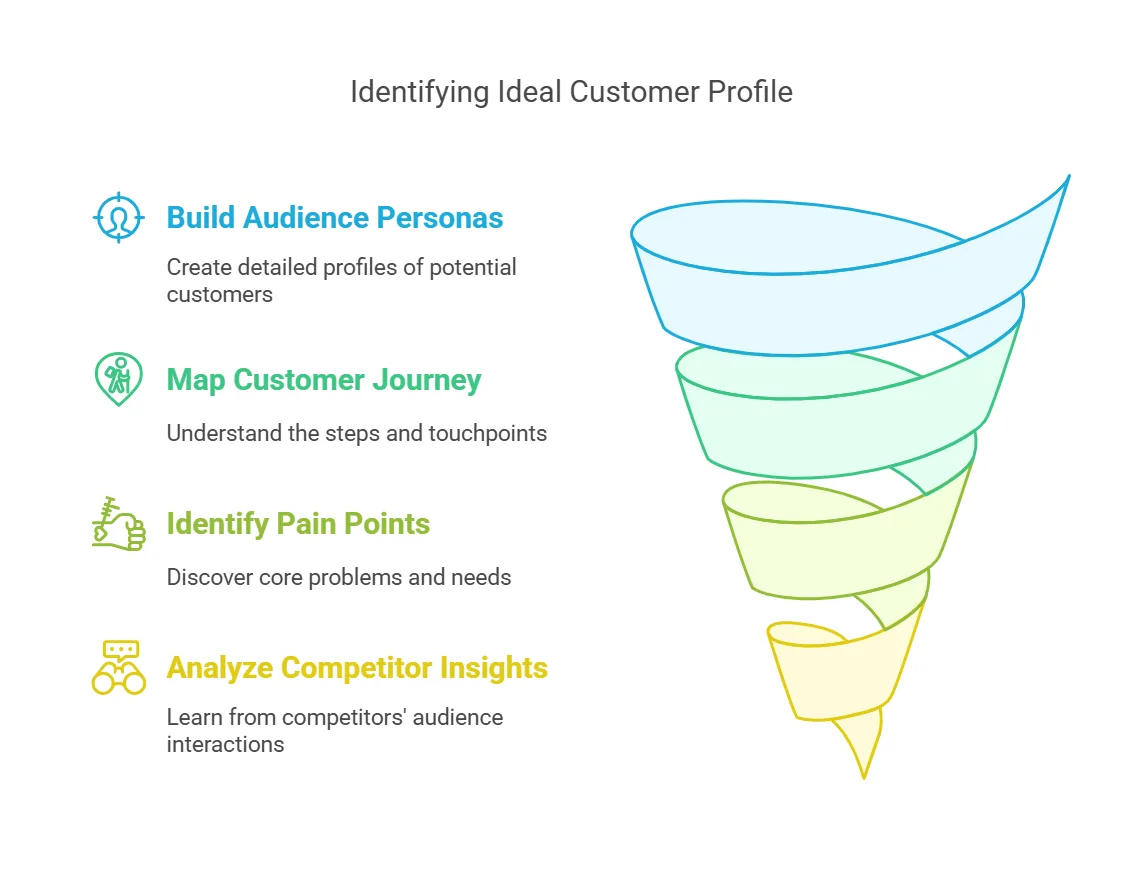
There are plenty of ways to build an ICP, like studying local competitors, analyzing their audience through website content, reviews, and social media engagement. Reading their reviews often surfaces exact pain points you can target, high costs, a need for eco-friendly or pet-safe solutions, slow response times, limited availability in certain areas.
An easy starting point: ChatGPT. Try a prompt like:
“I have a [Your Business]. Create an ICP for a [Business Type] that I can use to do keyword research for SEO.”
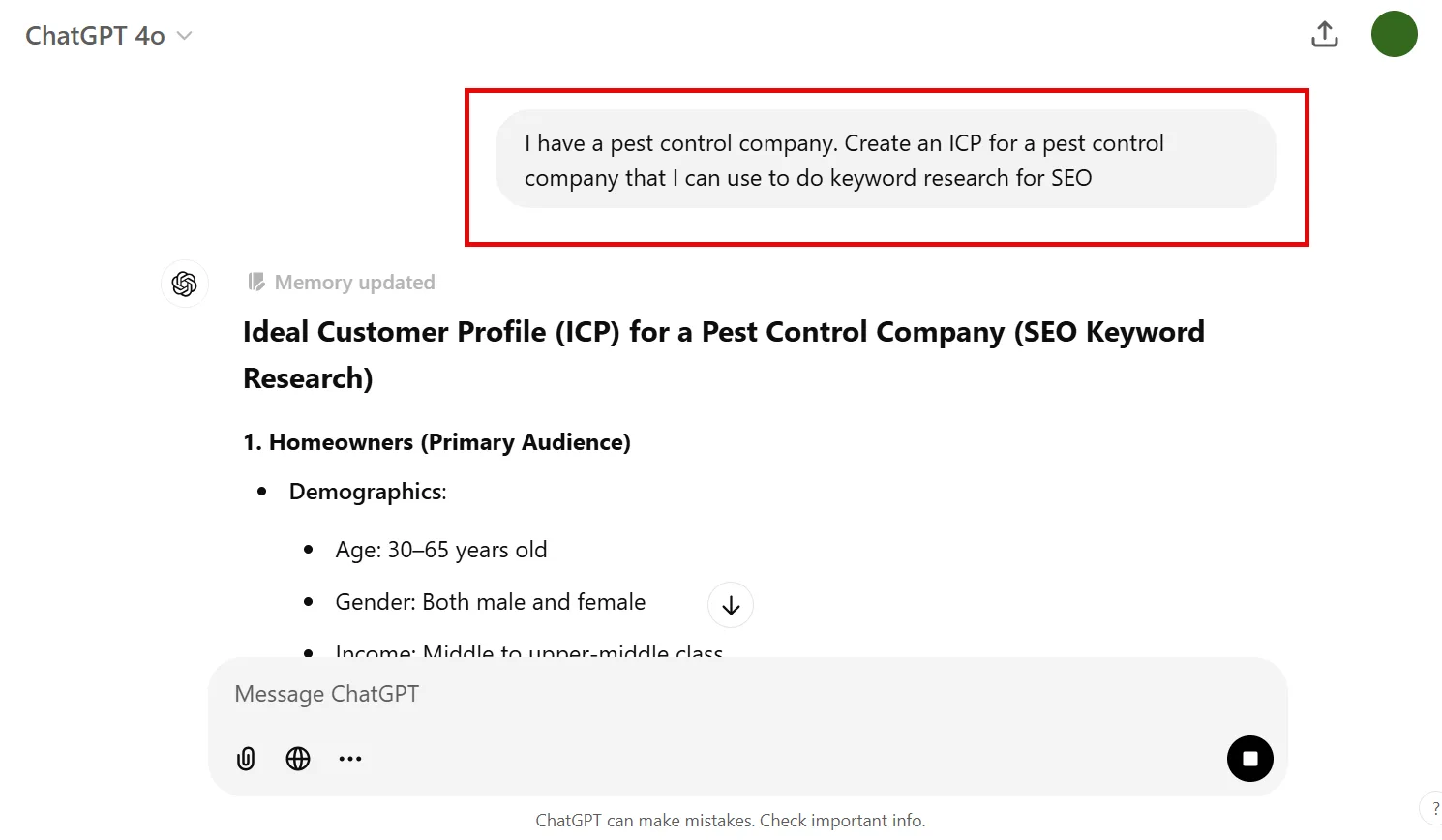
You’ll get demographic details, gender, location, income level, interests, typical age, goals, and pain points related to your service, like the specific pests customers tend to deal with. It’ll also surface generic concerns, like a preference for eco-friendly or pet-safe solutions.
Not the most comprehensive approach, but a solid place to start and expand from.
3. Understand Current Market Conditions
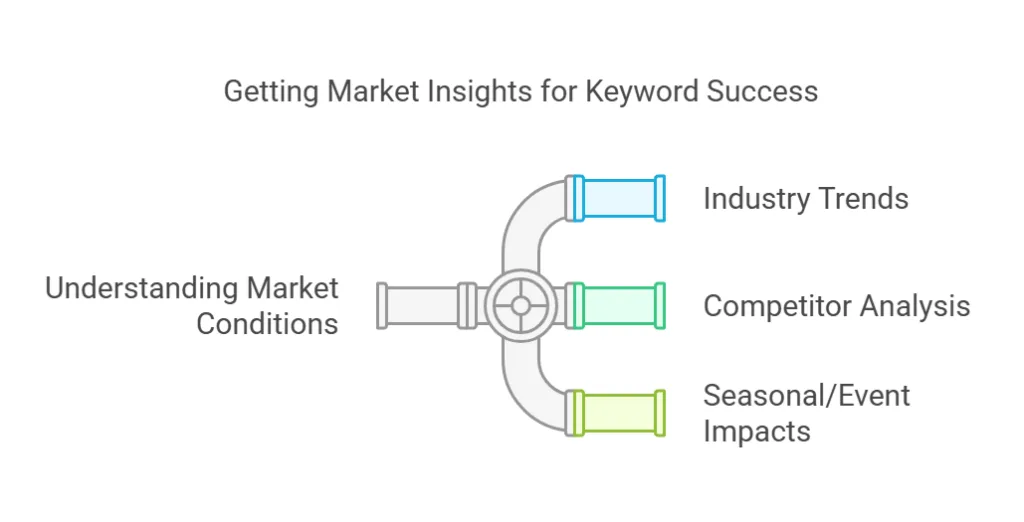
The online world doesn’t stand still, and neither should you. Stay on top of what’s trending in your industry, keep an eye on competitors, and pay attention to how seasons or events shift search demand. Doing this helps you spot golden keyword opportunities before everyone else jumps on them.
With the basics out of the way, here’s the step-by-step checklist.
10-Step Keyword Research Checklist
1. Brainstorm a Seed Keyword List
Seed keywords are broad topics, terms, or phrases that define what your business is about, in other words, what someone might search to find your website. They can relate to your business as a whole, a specific product or service, or your niche.
For a pest control company, a basic seed list might look like:
→ bed bug extermination
→ exterminator services
→ rodent removal
→ insect control
→ pest control
These become the starting point you expand from. A few ways to brainstorm them:
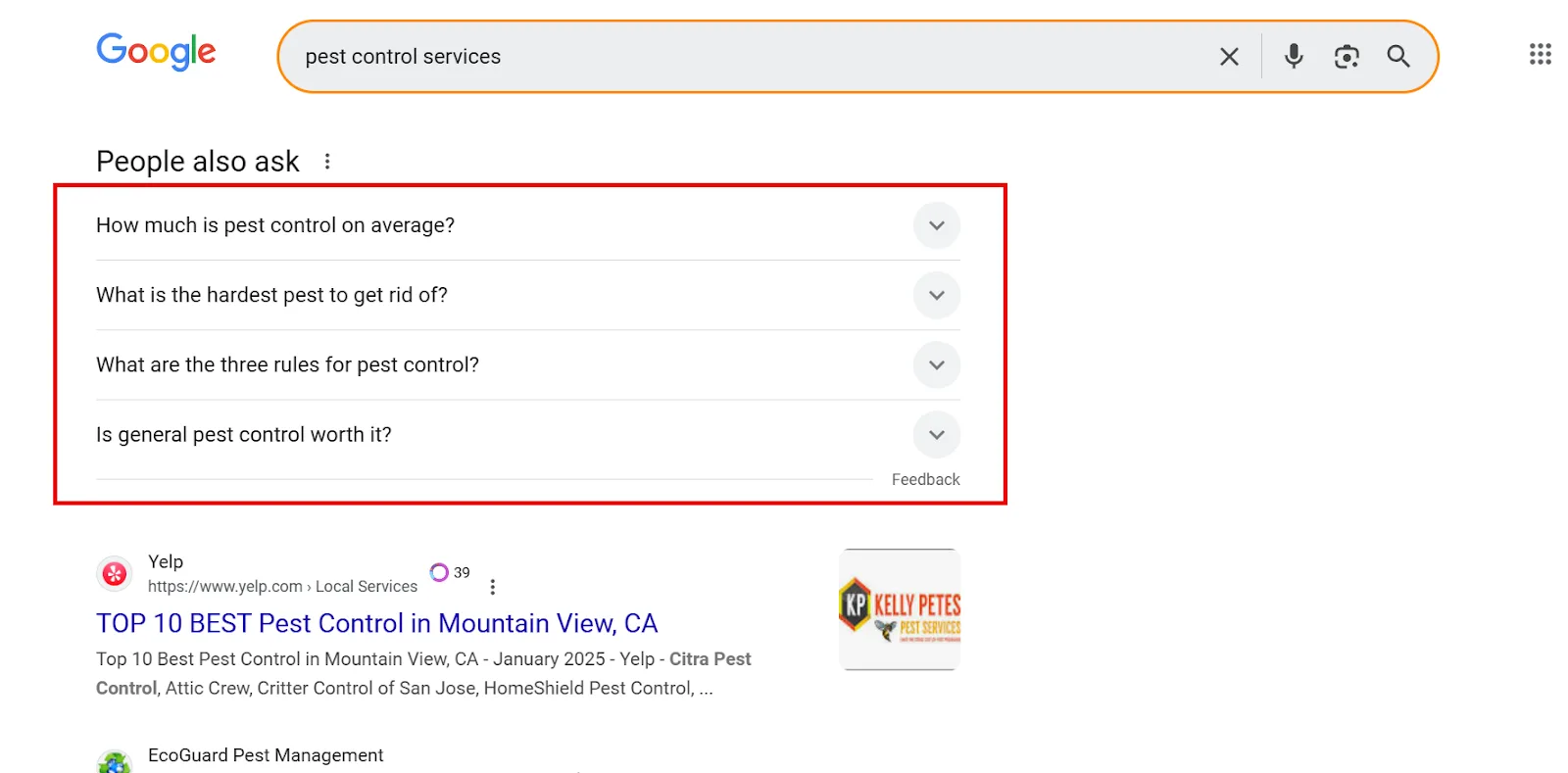
Google SERP features. Type in a seed keyword and study what ranks. Check People Also Ask for what users are searching.
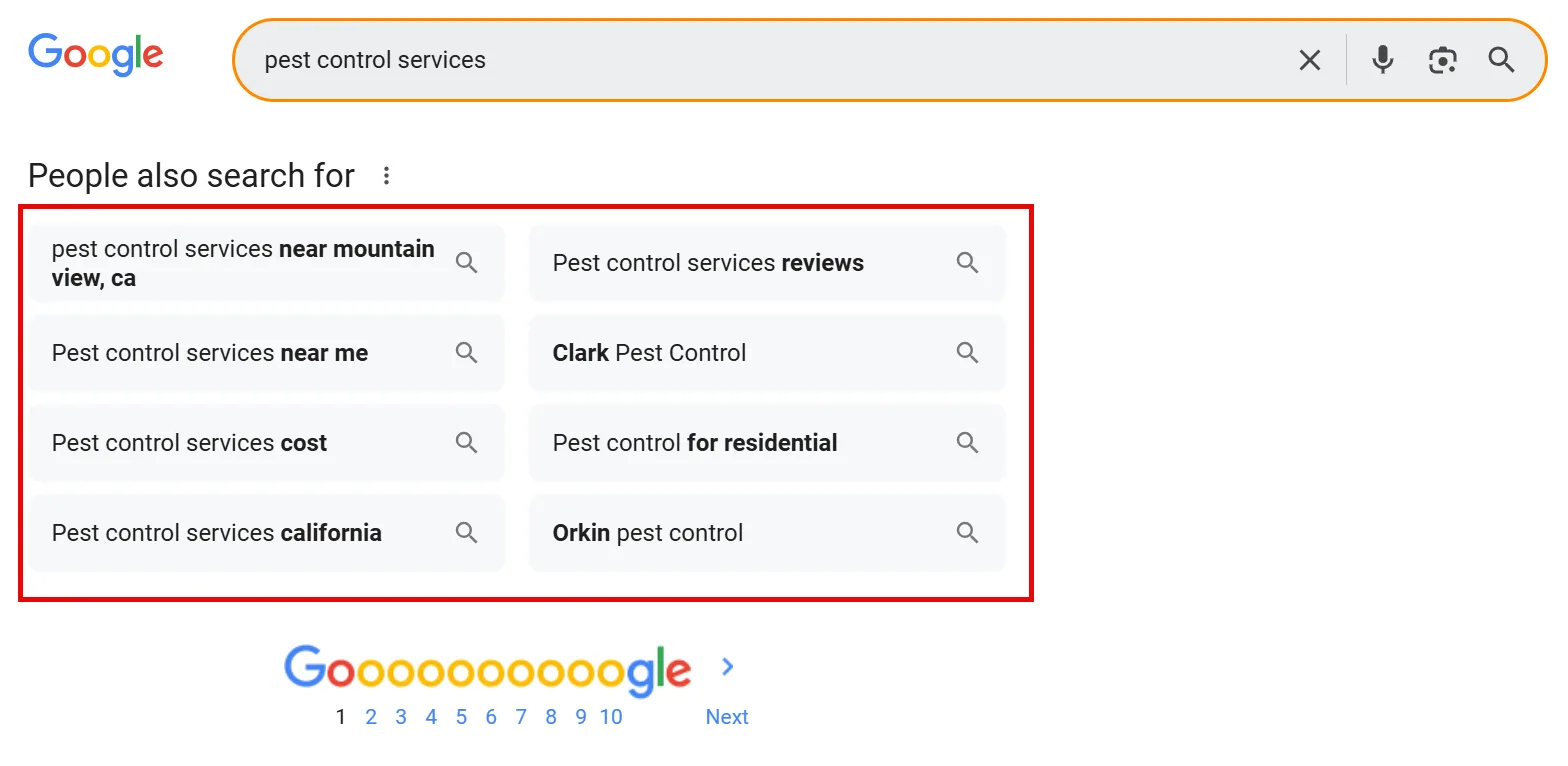
Scroll to People Also Search For, more related terms and keyword ideas.
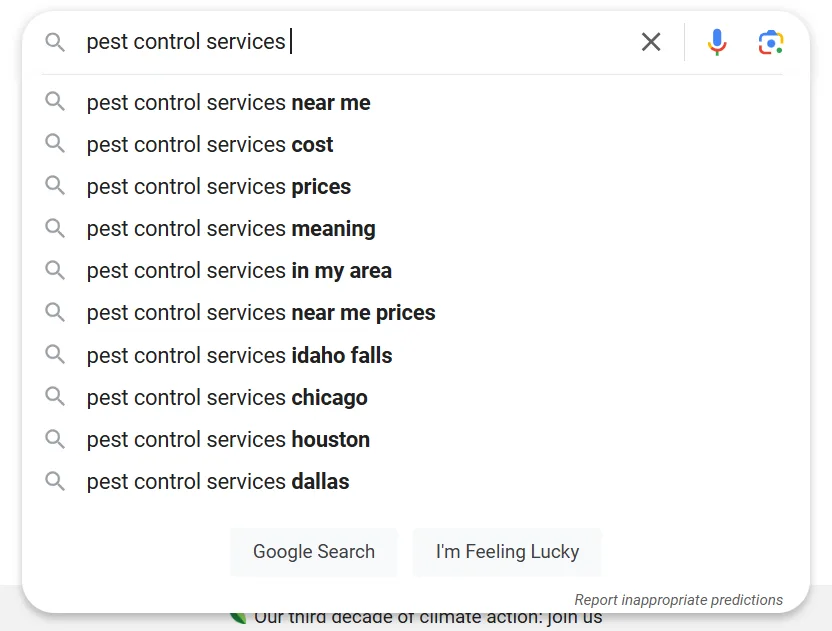
Google Autocomplete. Start typing your keyword and watch the suggestions, they often point straight to useful variations.
Incognito mode. Use a private window for a “clean” look at results, no personalization skewing what you see.
Google Trends. Useful for checking how interest in a keyword changes over time, helping you decide when to focus on certain topics.
ChatGPT. Good for brainstorming topics and related terms, treat it as a starting point and verify with real SEO tools.
2. Find Relevant Search Terms
With your seed list ready, expand it. You could dig through competitor sites or run extensive Google searches, but I prefer Semrush’s Keyword Magic Tool, it surfaces plenty of keywords in one place with useful metrics attached.
Enter a seed keyword, select your country, click Search.
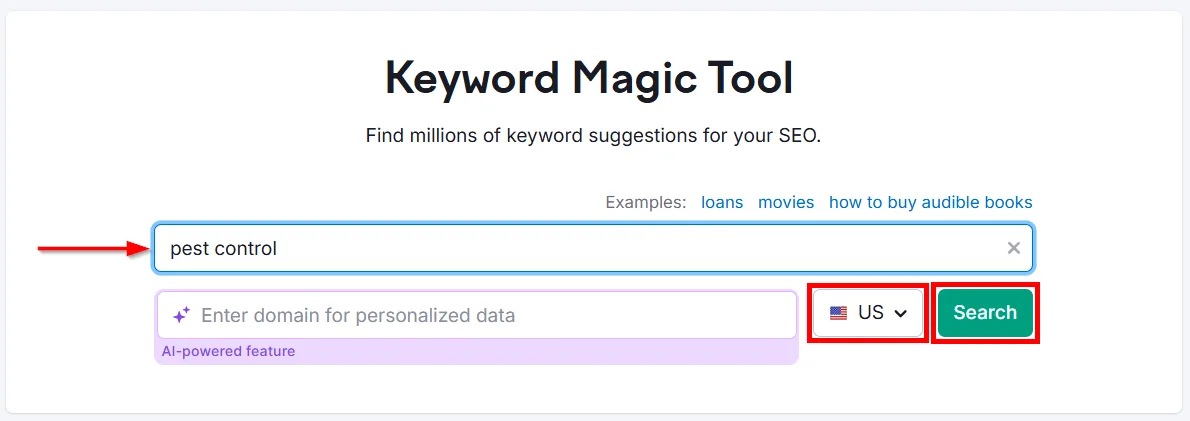
You’ll get thousands of keywords. Here’s how I narrow that list down:
↳ Select the keyword types you want (Questions, Broad Match, Phrase Match, Related, etc.)
↳ Try filters like Volume and KD to find good-volume, easy-difficulty keywords.
↳ Select what’s relevant.
↳ Click Export > Selected > XLSX.
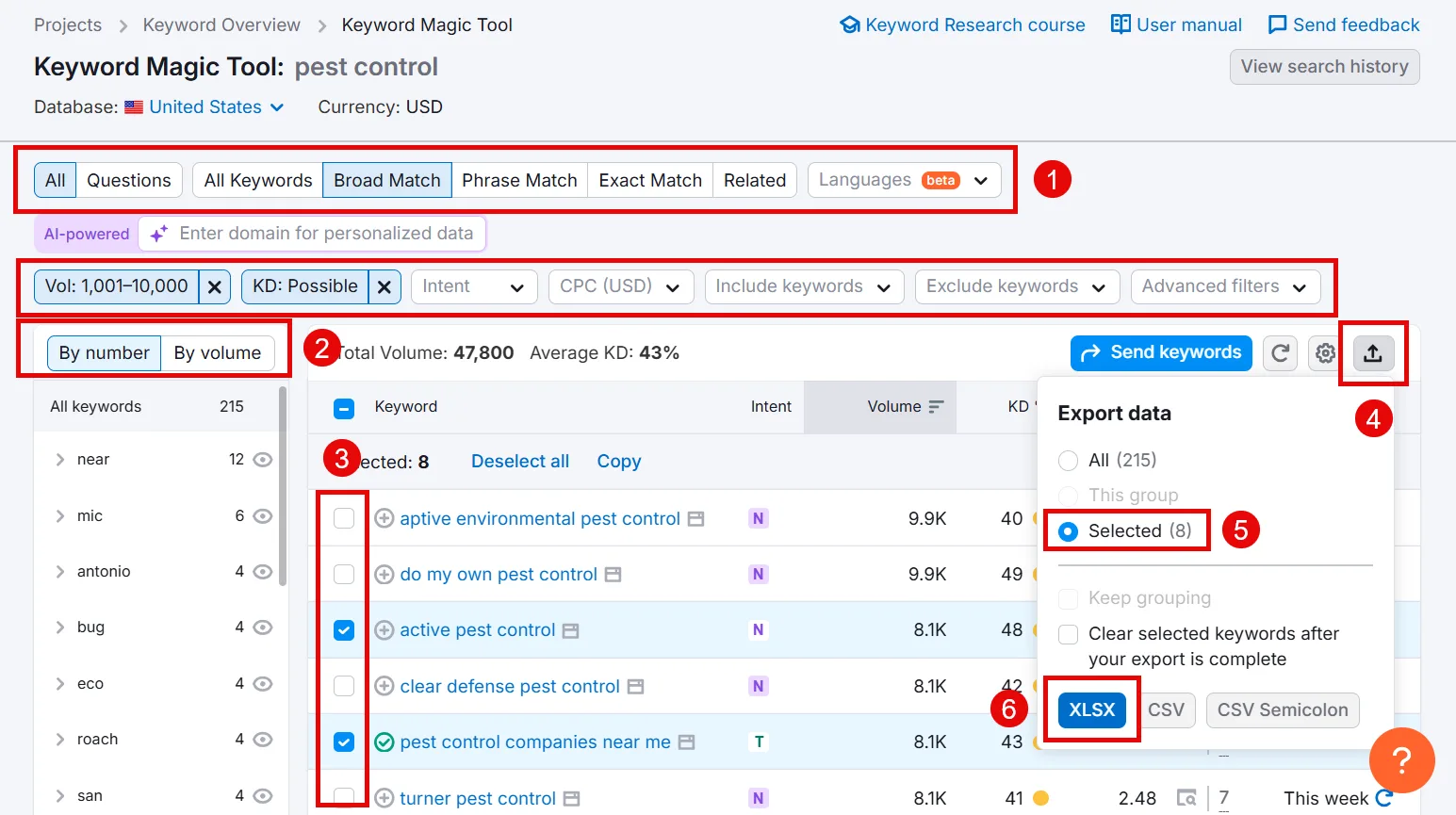
Repeat for each seed keyword, and you’ll end up with a solid list of related search terms.
If you run a local business, add location words, your city or neighborhood alongside your main keywords. For a pest control company in New York City, that means “pest control company in New York City” or “pest control company in NYC.”
Targeting multiple countries? Research each one separately, accounting for language, cultural habits, and even which search engines people actually use there (not everyone defaults to Google). Customizing keywords per region connects you better with local audiences.
3. Use Long-Tail Keywords
Long-tail keywords are specific phrases or questions targeting detailed searches. Lower volume, less competition, but people searching them are further along and more likely to convert.
“Pest control” alone gets thousands of monthly searches:
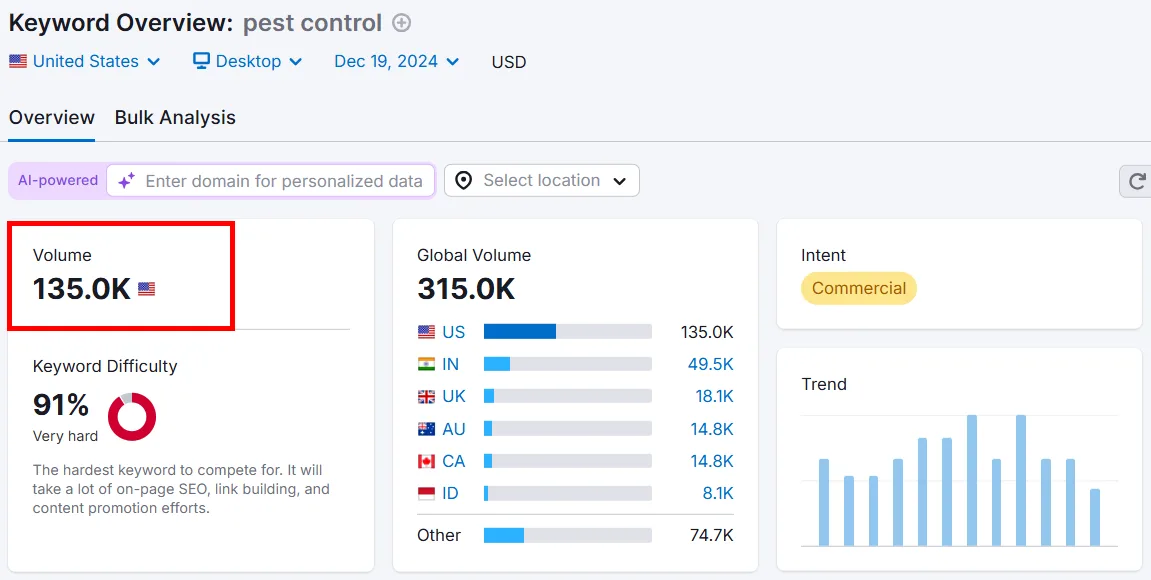
But “pest control near me for mice” pulls a much lower volume, because it’s far more specific.
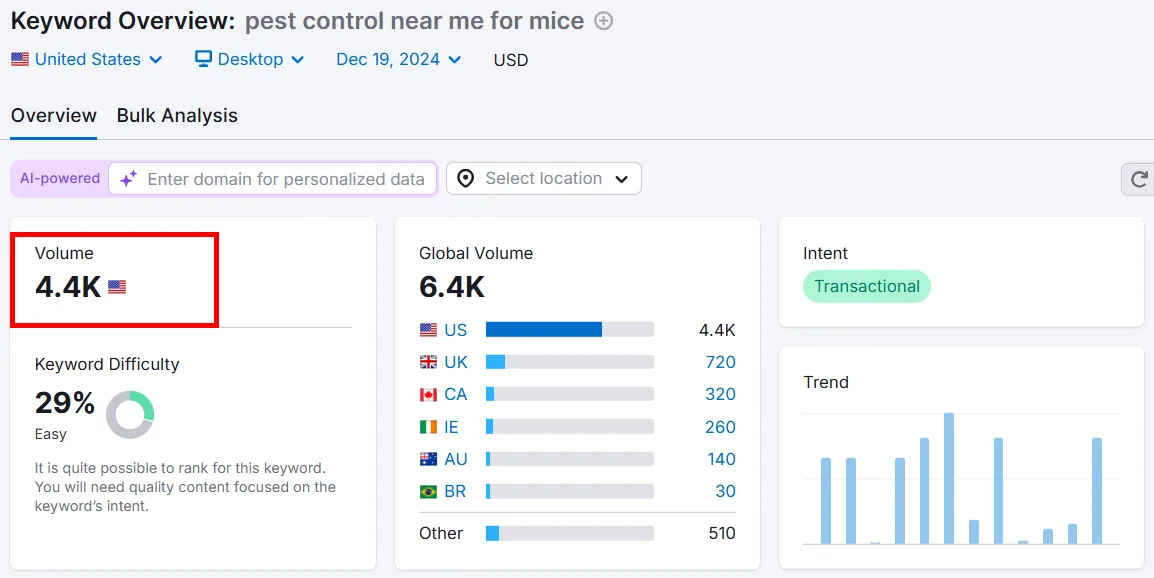
Still, someone searching that exact phrase is closer to a purchase than someone typing “pest control” alone. Once you understand your audience’s intent, build a list of long-tail keywords they’d realistically use.
More people are also using voice assistants like Alexa or Google Assistant, and voice searches tend to sound more like everyday speech. Instead of typing “best coffee shop near me,” someone might say “where can I get a good cup of coffee around here?”
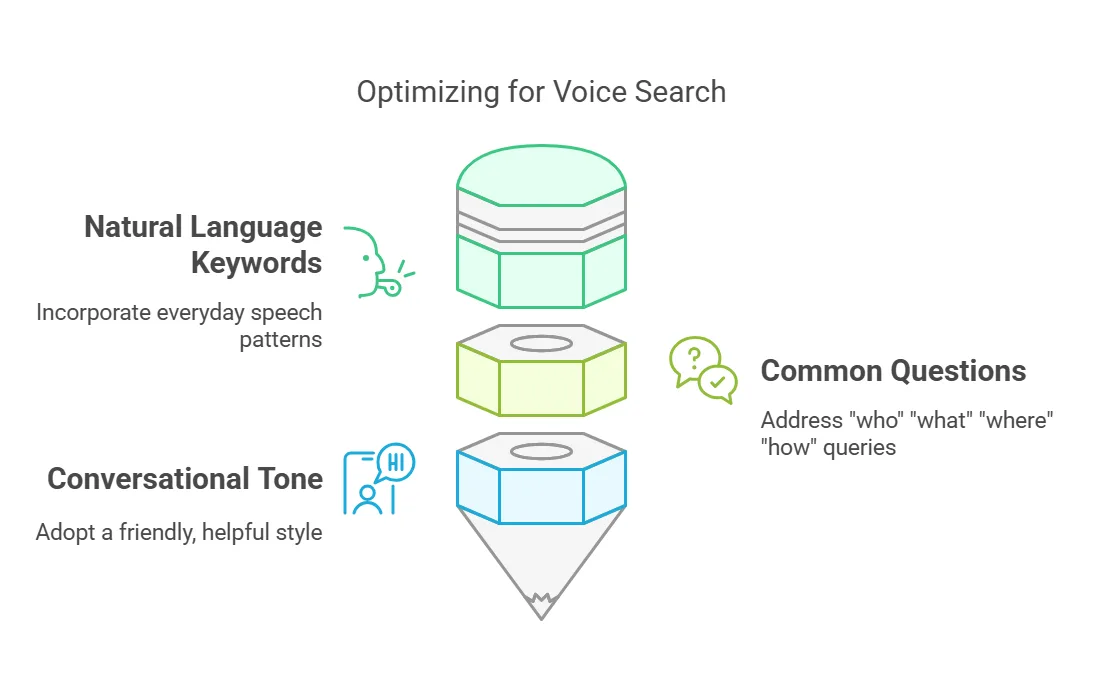
Include natural, conversational keywords to reach these users, think about the common who/what/where/how questions people ask and shape your content to answer them in a friendly, helpful tone.
Beyond Google Autocomplete, online communities like Quora, Reddit, and niche forums are packed with long-tail keyword ideas, real people sharing real problems your content can solve.
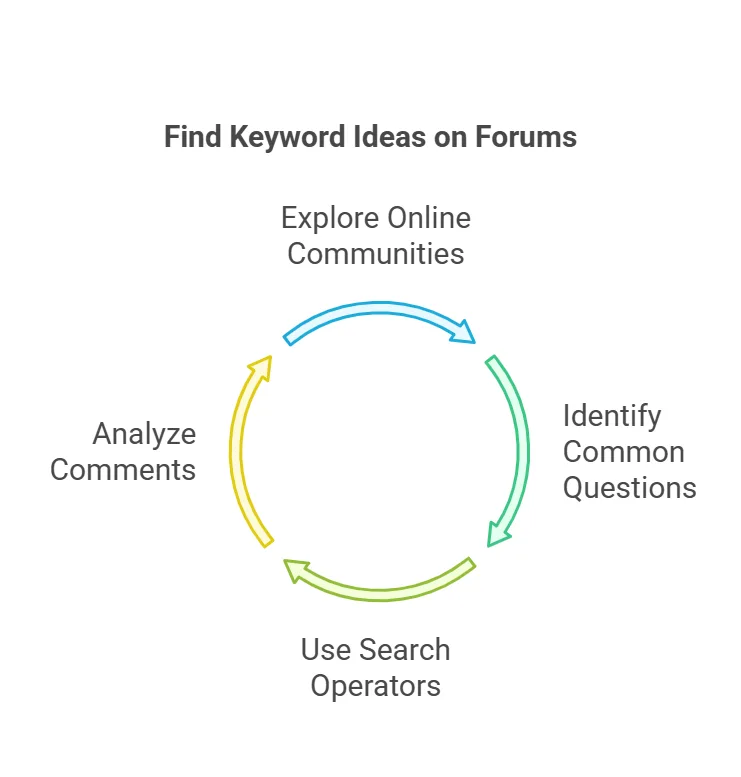
Browse relevant subreddits for common questions and pain points, or use search operators to zero in on problem-related phrases like “how to,” “I wish,” or “where can I.” Comment sections often surface related issues too.
For question keywords specifically, like “where can I find a good exterminator,” try QuestionDB, quick, to the point, and free for up to 5 searches a month. It gives a clear picture of the questions people are actually searching around your keyword.
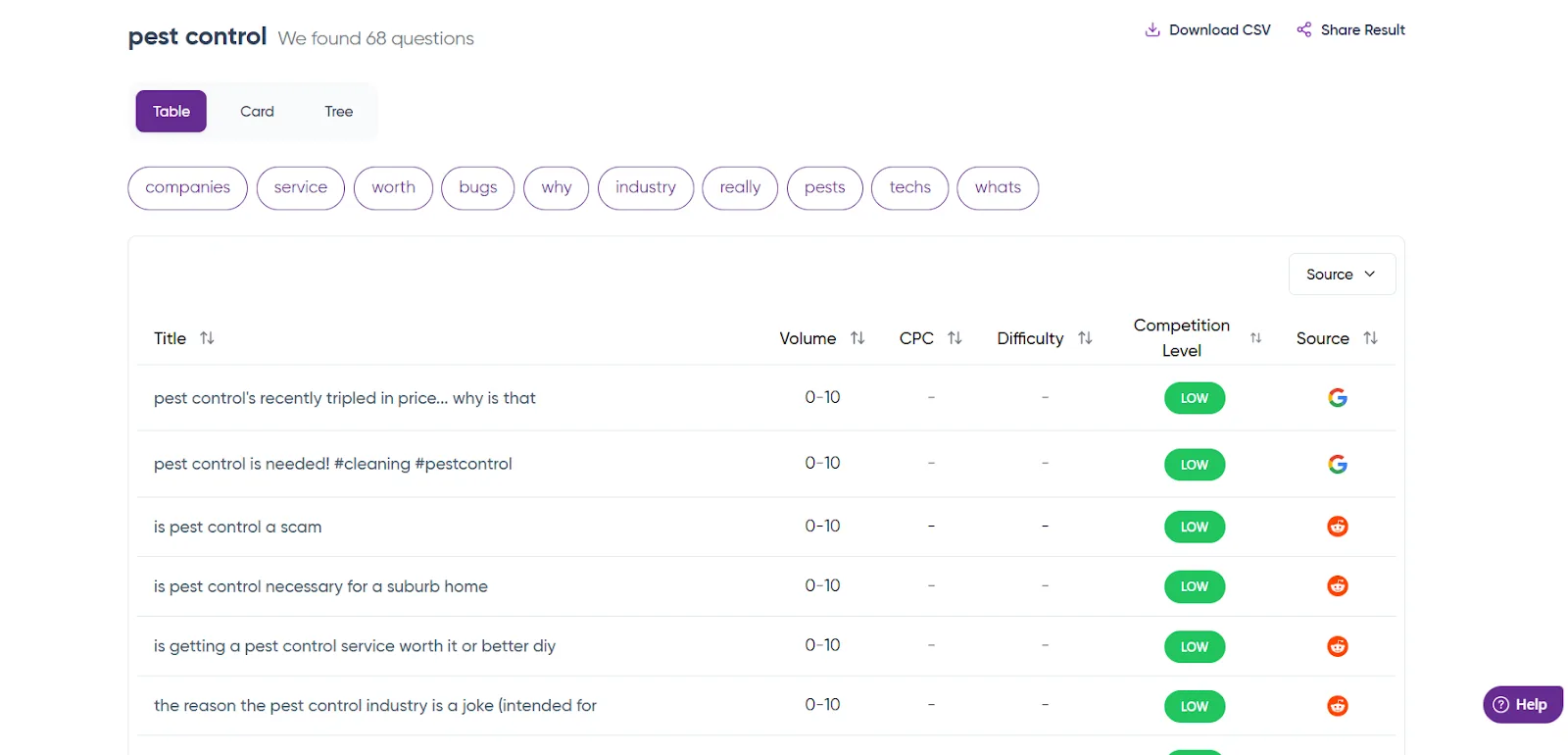
Filter for the most promising questions and answer them directly in your content.
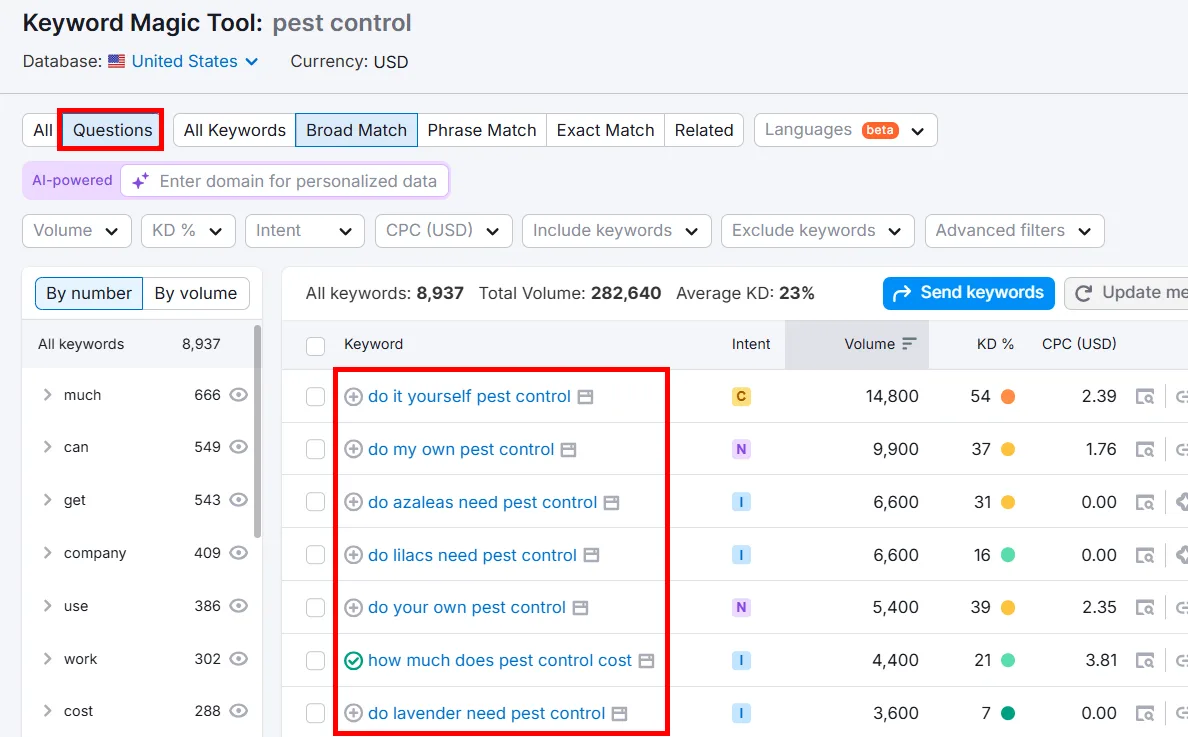
You can also find question keywords in Semrush’s Keyword Magic Tool using its Questions filter.
Skip questions and click All if you want everything. Then click the KD% option and select Easy.
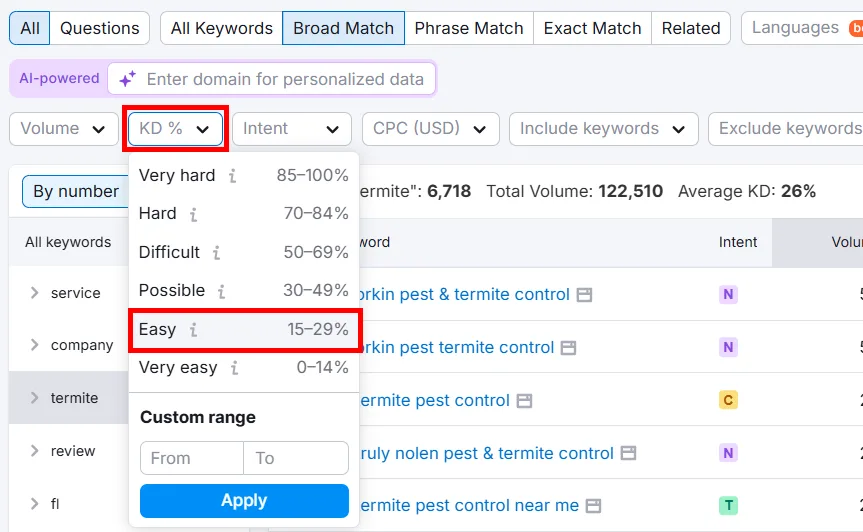
That gives you a mixed list of solid long-tail keywords.
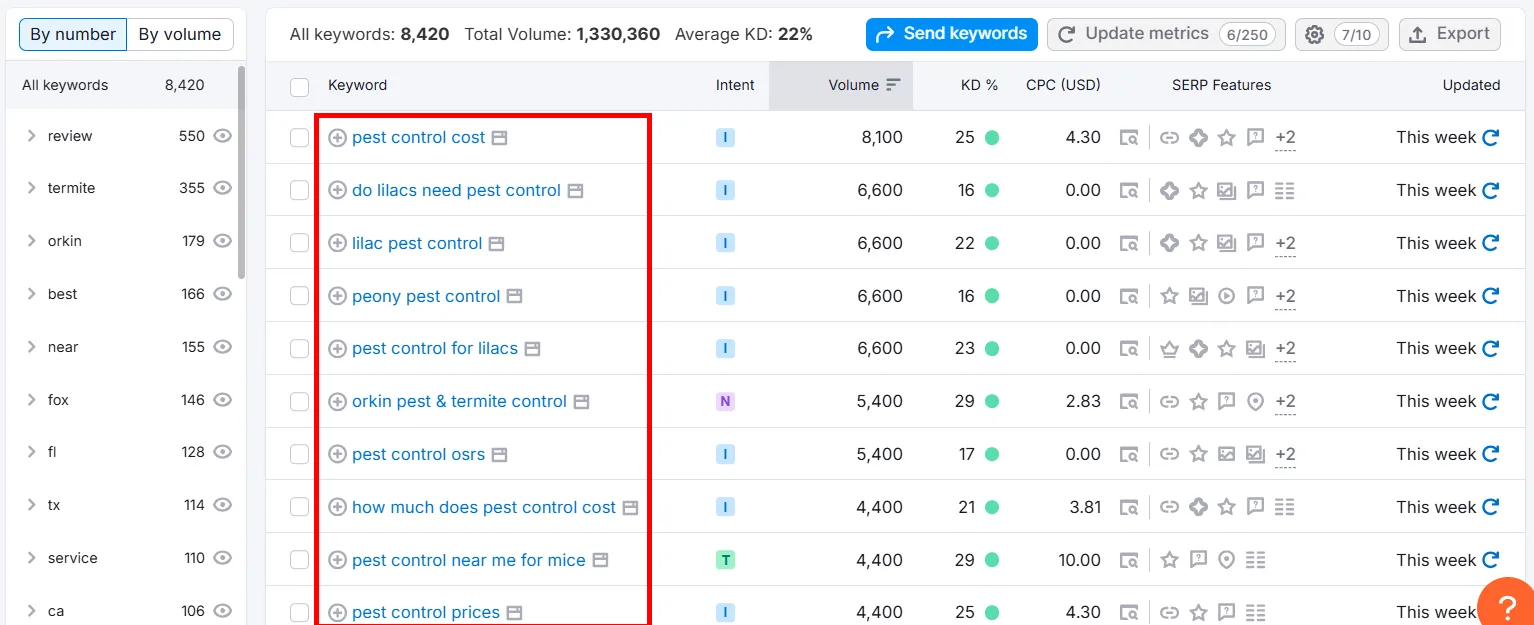
Repeat across seed keywords to build out a solid long-tail list.
4. Get Keyword Ideas From Competitors
Another approach: study your competitors. Not to copy them, but to make sure you’re covering every relevant product, service, or category.
First, identify competitors on Google, whoever shows up most for your target keywords.
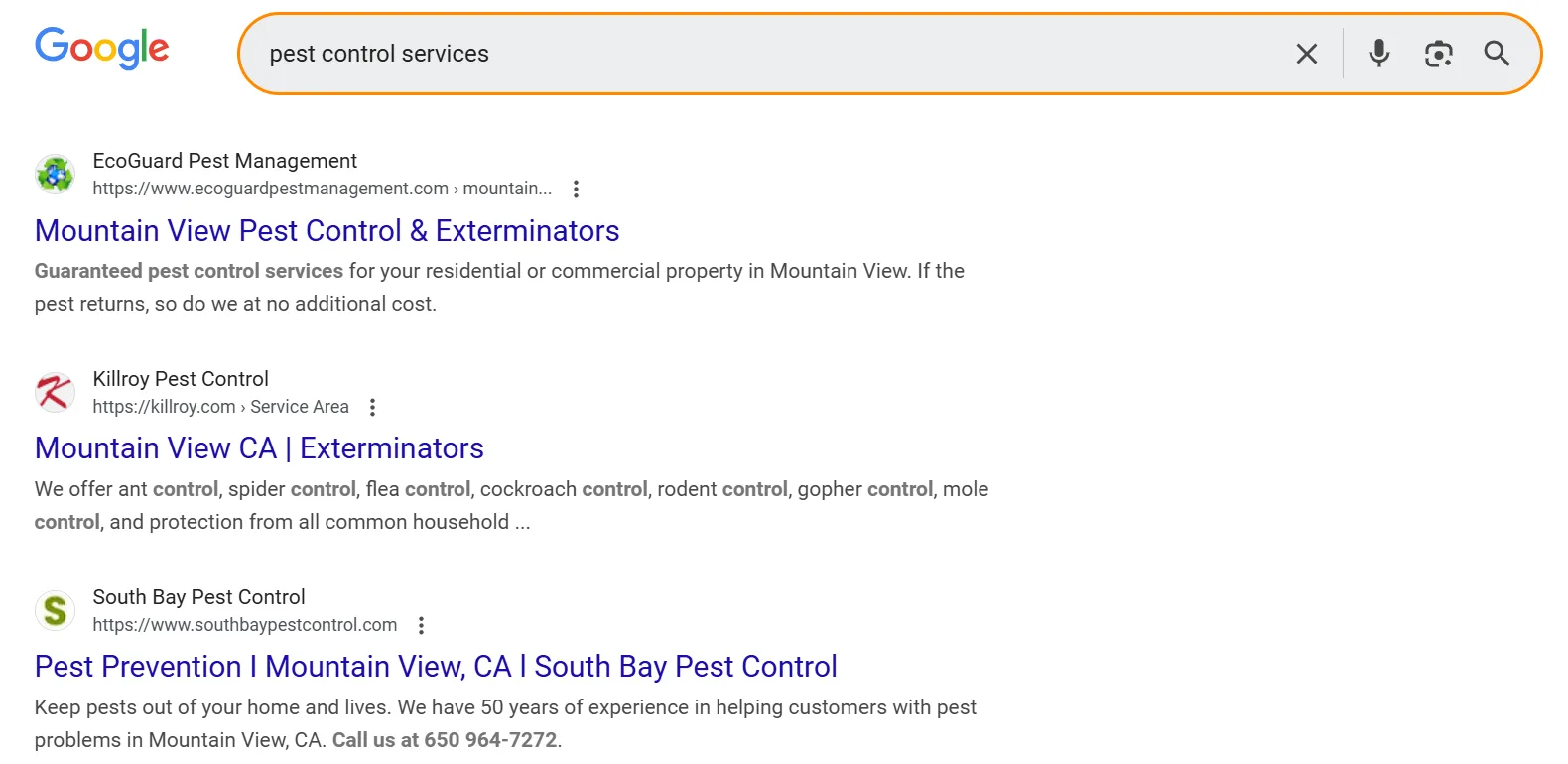
Visit their blog posts and other relevant pages. See what they sell, how they categorize products and services.
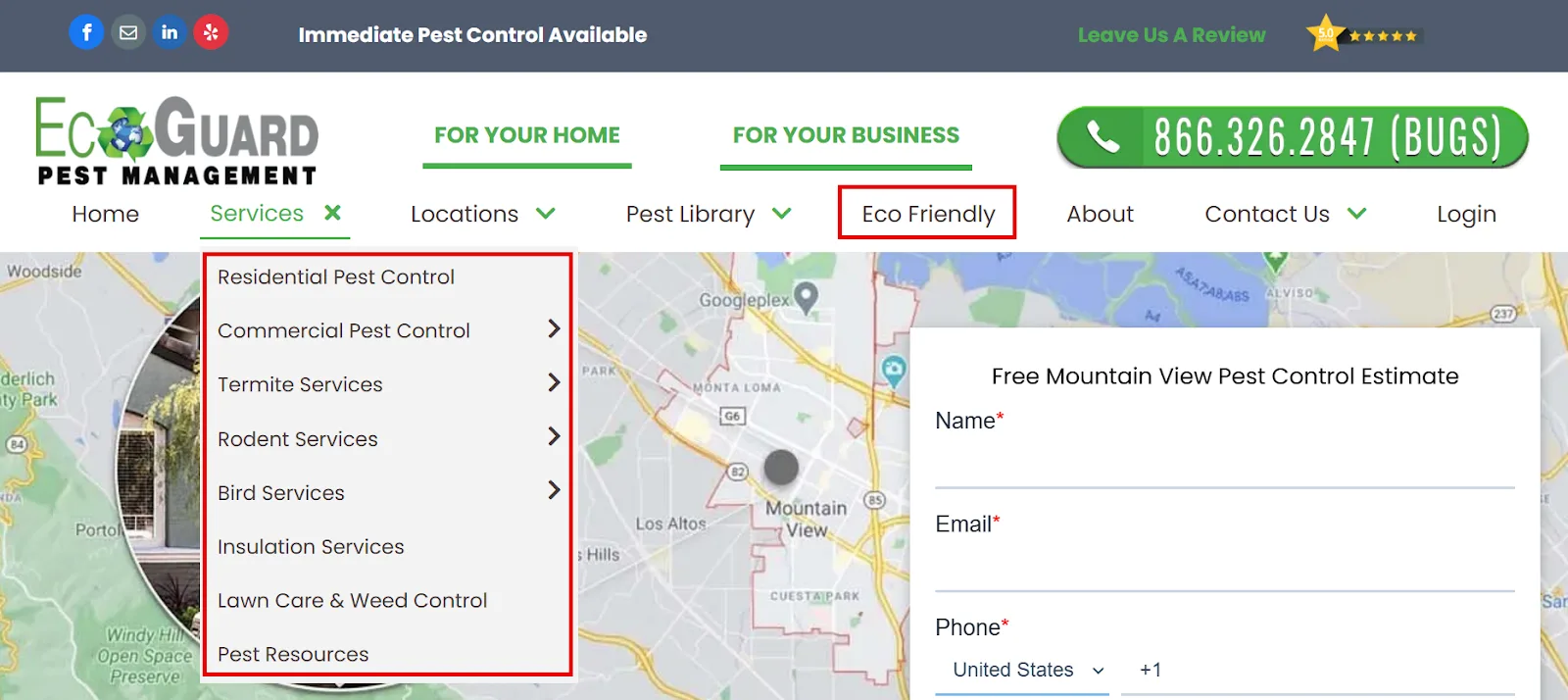
Pay attention to their keywords, topics, and article structure. Ask yourself:
↳ Are there keywords they’re ranking for that you’ve never tried?
↳ Do you offer similar categories, products, or services that aren’t properly listed on your own site?
Comparing their content against yours surfaces places you could offer something better, more detailed guides, updated information, a unique angle.
For a deeper keyword gap analysis, Semrush’s Keyword Gap tool is faster and more accurate than doing it by hand. Enter your URL plus four competitor URLs and click Compare.
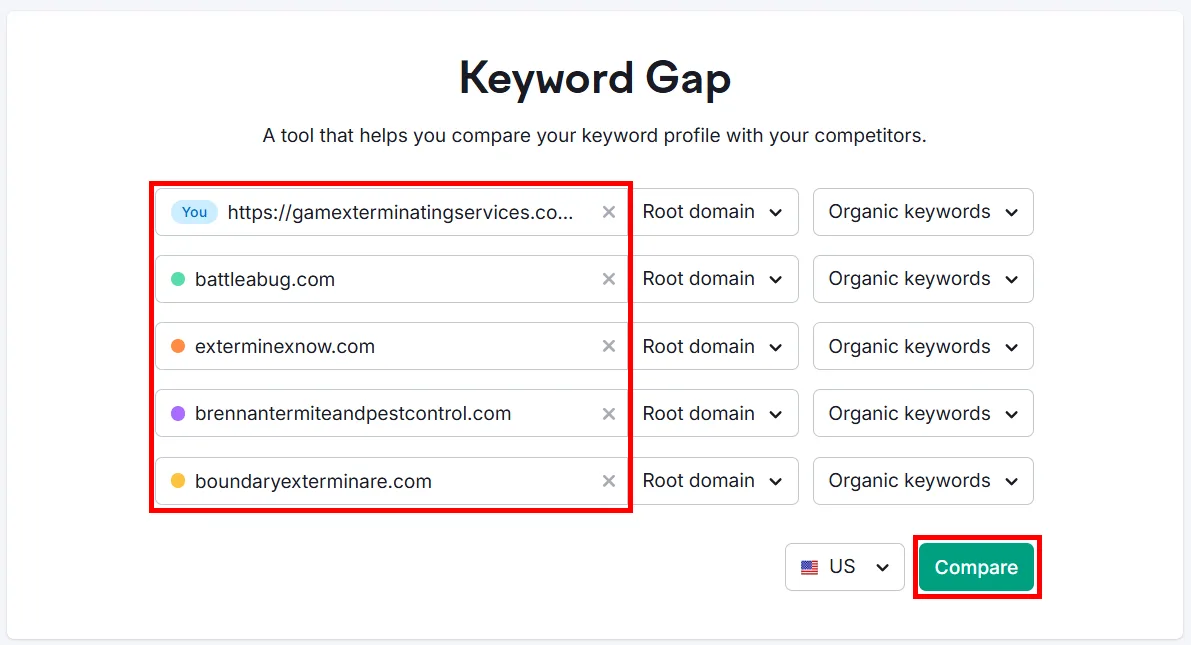
Scroll to the table and click Untapped to see keywords your competitors rank for that you don’t.
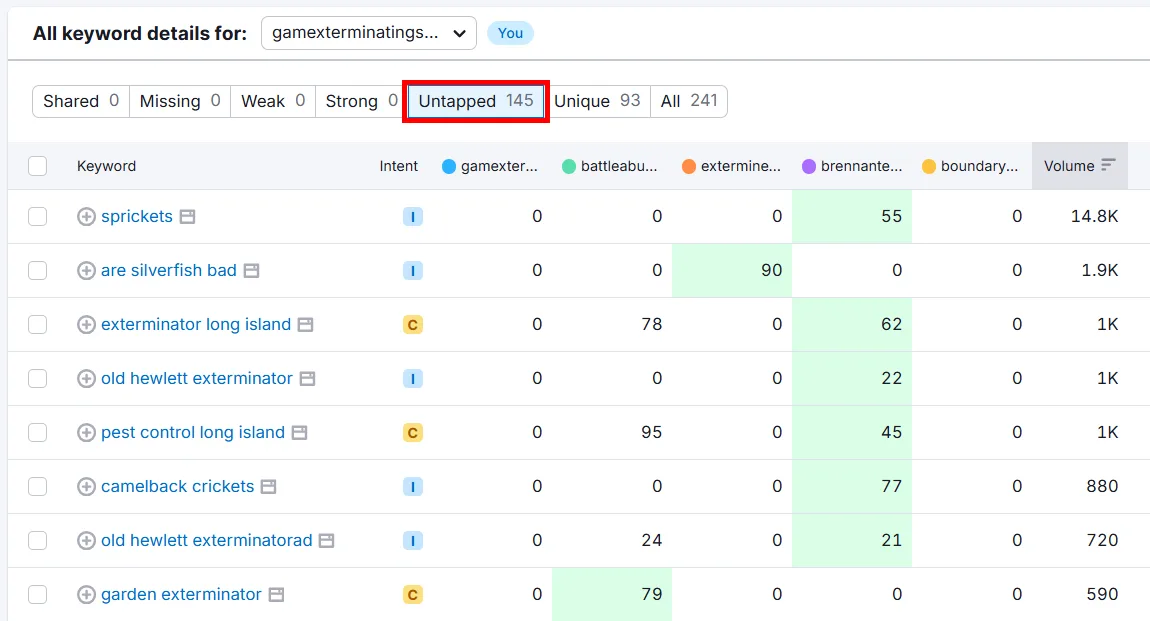
Plenty of these can turn into real opportunities.
5. Analyze Search Intent
Every query has a reason behind it, its search intent. Google’s whole goal is matching people with exactly what they’re looking for, so if you understand what your ideal customer intends to find, you can build content that hits the mark and ranks well.
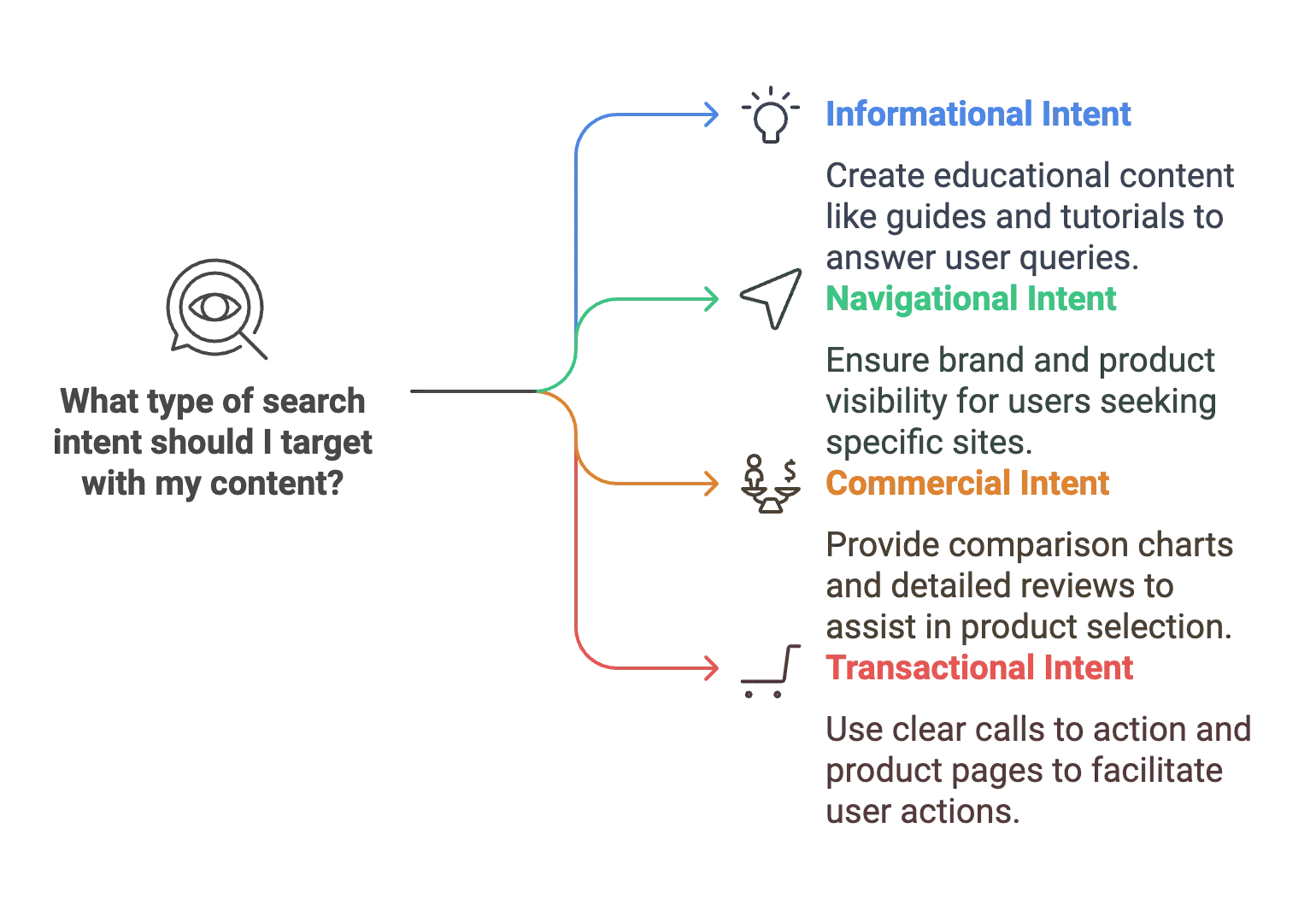
Four main types:
↳ Informational. The user wants to learn or find an answer, “how to start a blog,” “what is keyword research?” Guides, tutorials, and educational content work best.
↳ Navigational. The user wants a specific site, “Semrush login,” “Amazon customer service.” Make sure your brand is easy to find if someone’s already looking for you.
↳ Commercial. The user is comparing options, “best coffee shops in town,” “top pest control services.” Comparison charts, product lists, and detailed reviews fit here.
↳ Transactional. The user is ready to act, “buy Semrush subscription,” “hire a rodent exterminator.” Clear CTAs, product pages, and checkout flows are what matters.
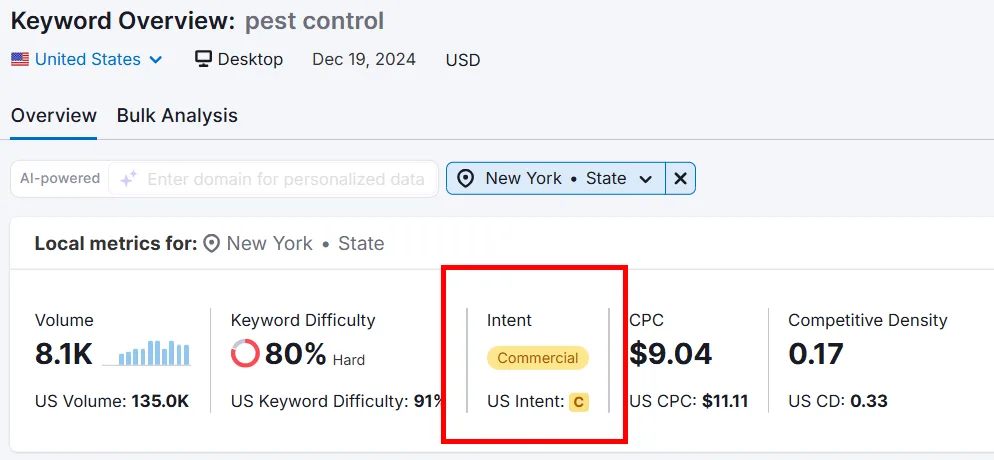
If you’re unsure how to spot intent, Semrush’s Keyword Overview shows it directly next to each keyword. Enter up to 100 keywords at once to analyze in bulk.
You’ll also see it in the Intent column of your keyword research window.
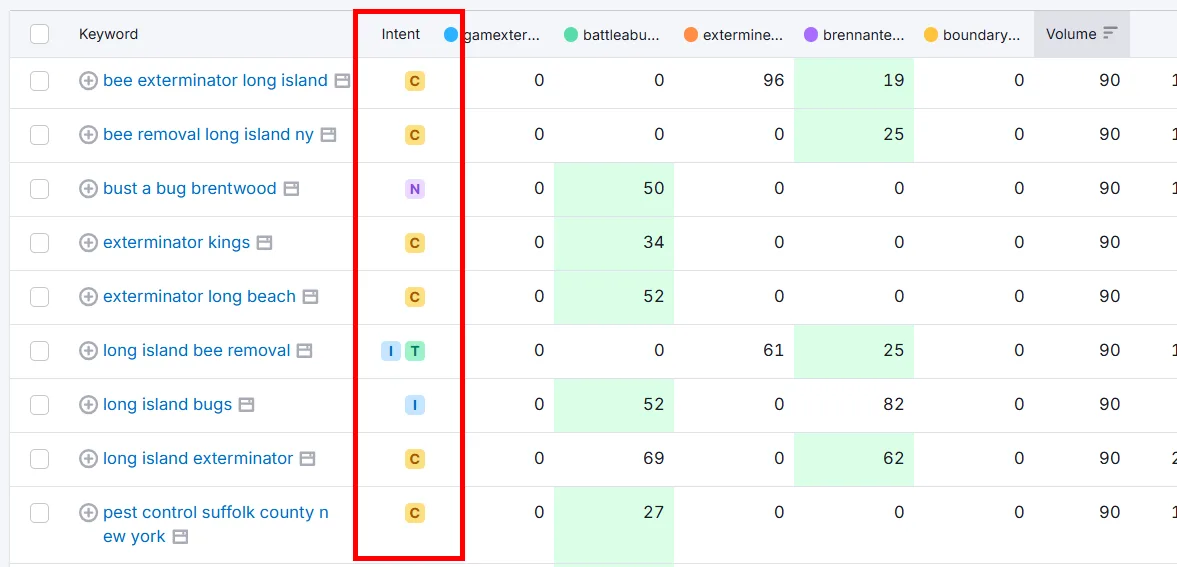
Use the Intent filter to isolate just one type, transactional only, for instance, when building a sales page. Once you know each keyword’s intent, plan your content around it.
6. Check Important Keyword Metrics
By now you likely have a long list of potential keywords, but not all of them are worth targeting. Some are too competitive, others won’t bring meaningful traffic or conversions.
Semrush’s Keyword Overview tool checks valuable metrics for up to 100 keywords at a time:
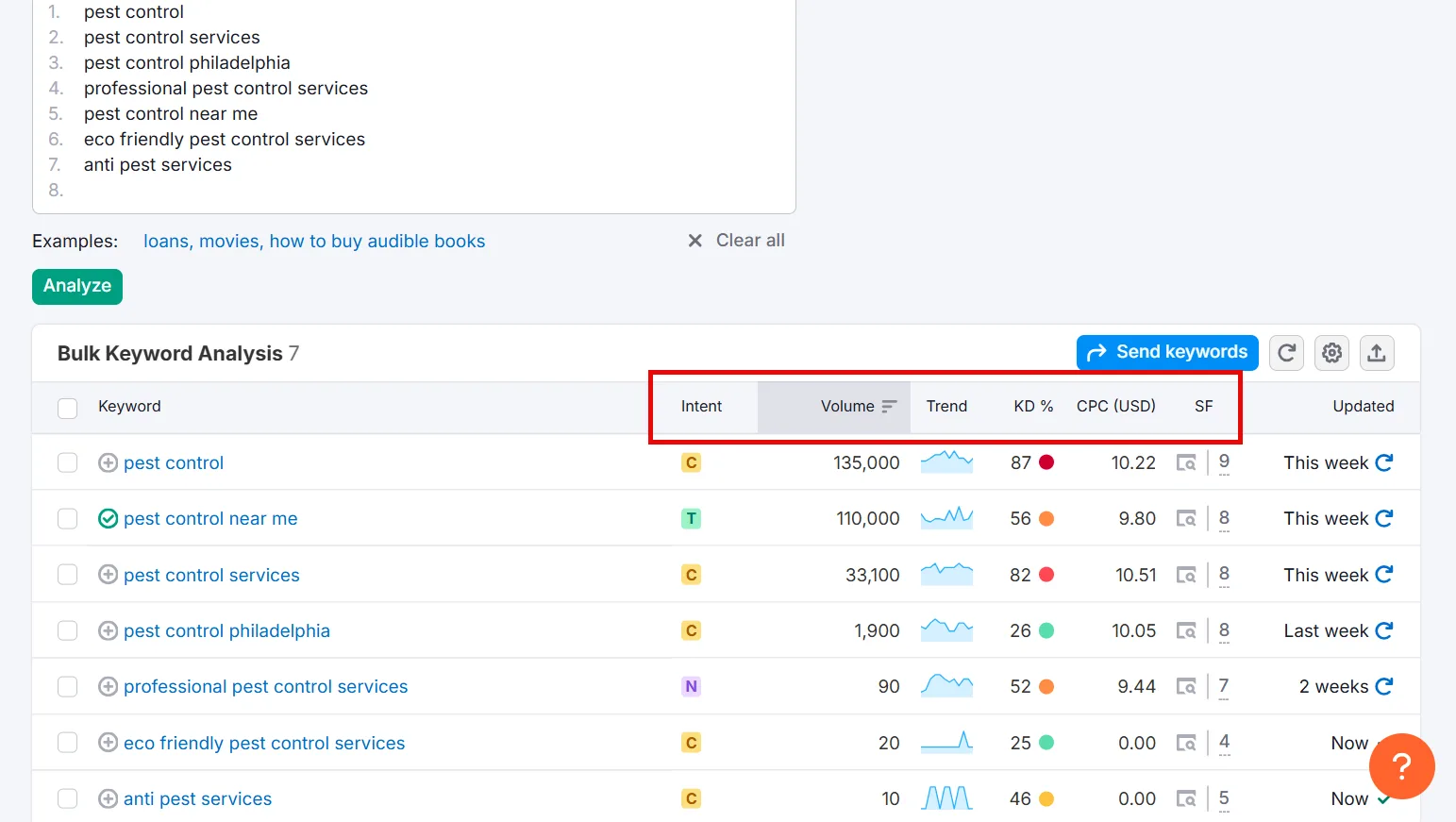
→ Search volume: average monthly searches for that keyword.
→ Keyword difficulty: an estimate of how hard it’ll be to rank on page one.
→ CPC: how much advertisers pay per click for that keyword.
→ SERP features: special elements on the results page, featured snippets, image packs, FAQs.
General rule of thumb: pick keywords with low difficulty and high search volume. (For more on what “good” search volume actually looks like relative to other metrics, see What Is a Good Keyword Search Volume?) Filtering by these metrics narrows your list down to realistic, high-potential targets.
7. Cluster Your Keywords
With your keyword list built, organize it into clusters based on related topics, themes, or intent. Group them under a pillar topic, your primary keyword represents the main topic you want to rank for, secondary keywords support and expand on it.
For a pest control company:
↳ Primary keyword: pest control services
↳ Secondary keywords: affordable pest control near me, eco-friendly pest control solutions
Clustering lets you build content that ranks for multiple search terms while addressing a range of user needs. Semrush’s Keyword Strategy Builder handles this well, open an existing list (or create one from a spreadsheet) and click Create list.
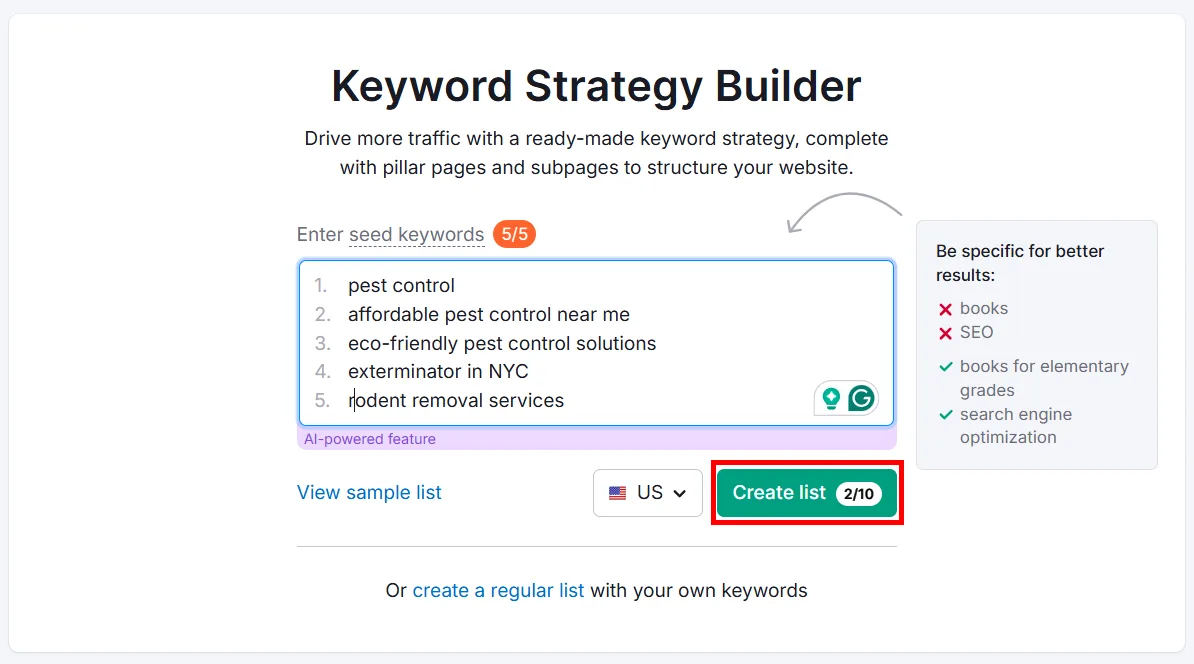
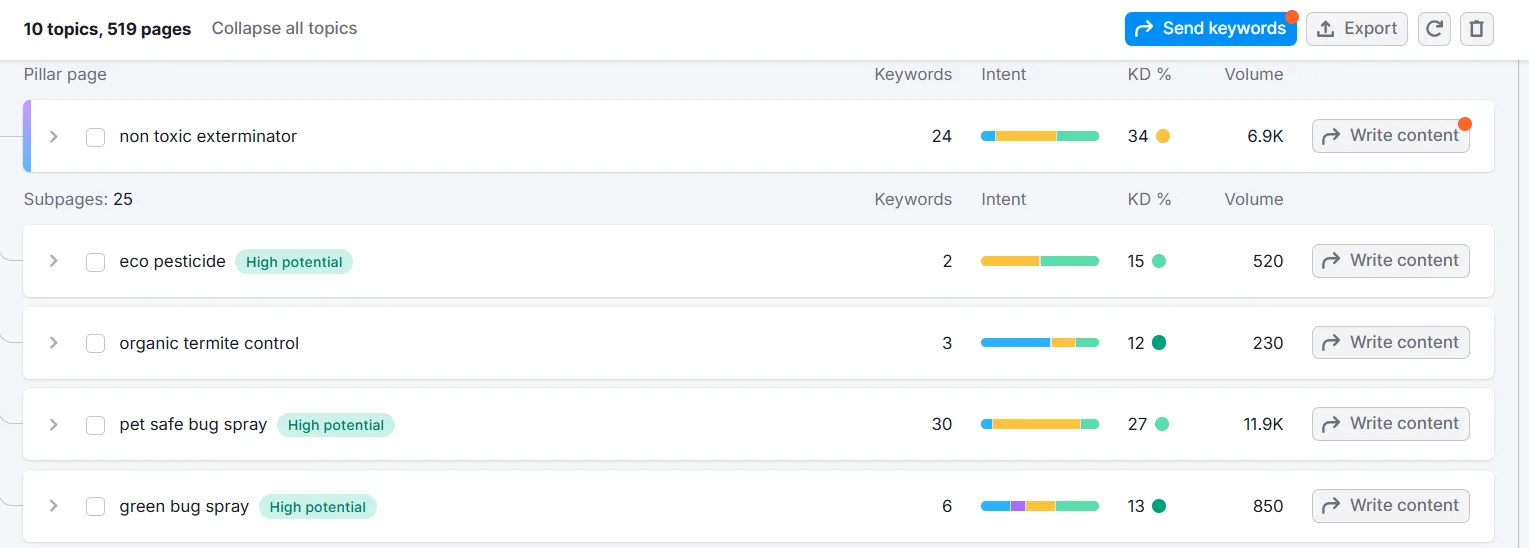
Related keywords get grouped automatically based on intent.
Click the small arrow next to any cluster to see the full list of secondary keywords with metrics attached.
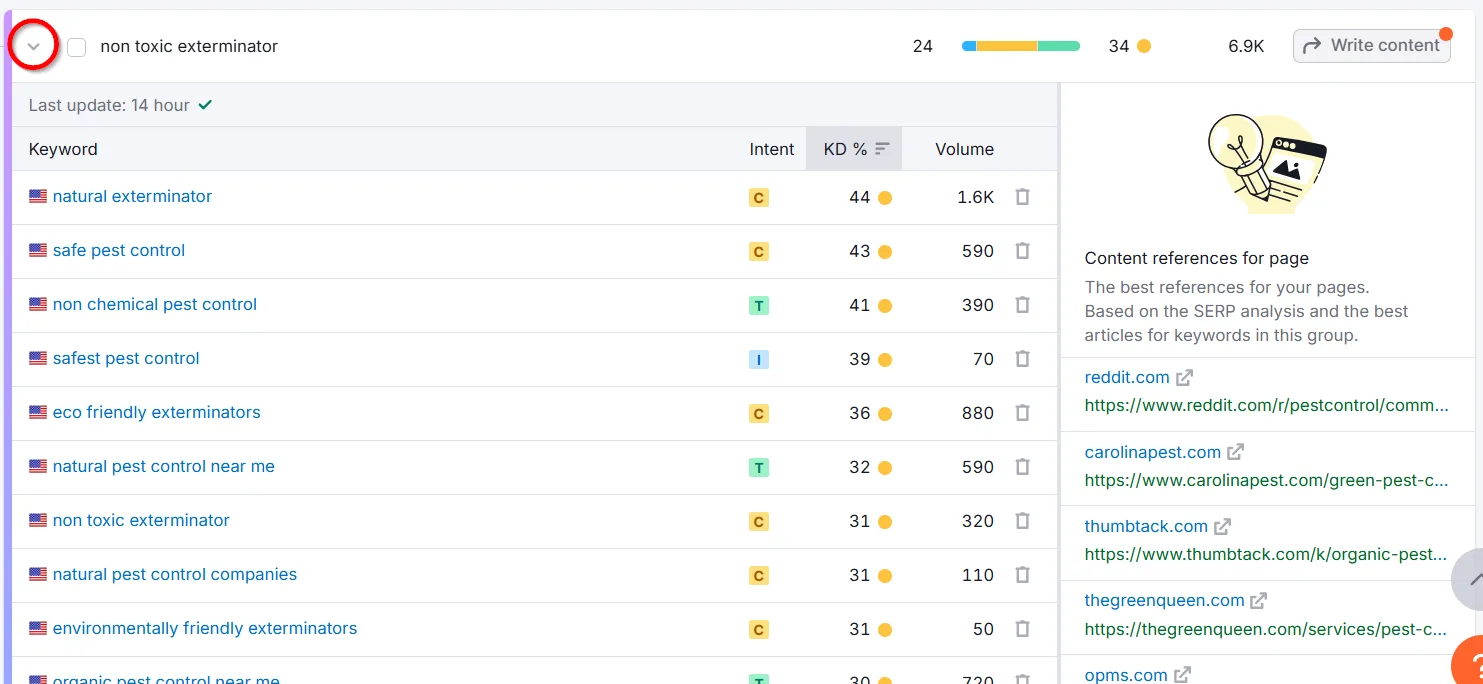
Use these clusters for keyword mapping, assigning keywords to specific pages. This keeps pages optimized for the right terms, avoids keyword cannibalization, and helps you spot and fill content gaps.
8. Prioritize Your Keywords
Segment keywords by funnel stage:
↳ Top-of-funnel (ToFu): high volume, awareness-stage terms like “what is pest control.” Great for attracting new visitors.
↳ Middle-of-funnel (MoFu): moderate volume, consideration-stage terms like “best pest control services.” Good for nurturing leads.
↳ Bottom-of-funnel (BoFu): low volume, high-intent terms like “pest control service near me.” Best for driving sales.
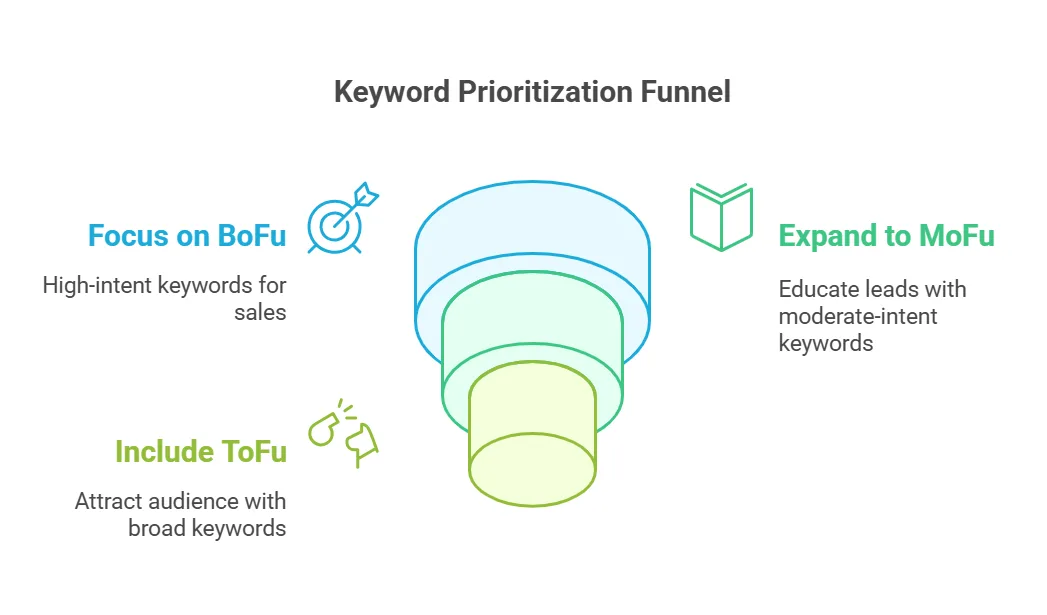
Start with BoFu keywords tied to your core services to drive sales quickly, then expand to MoFu to educate leads, and finally add ToFu to build broader awareness.
Build a spreadsheet of your top 10 to 20 priority keywords. For a pest control company, that might include:
→ best pest control companies in NYC
→ pest control services in NYC
→ how to remove termites
→ exterminator near me
9. Finalize Your Keyword List
By this point you should have:
↳ 1 primary keyword with low difficulty and high volume
↳ A long list of secondary keywords tied to it
Now decide where each keyword fits on your site:
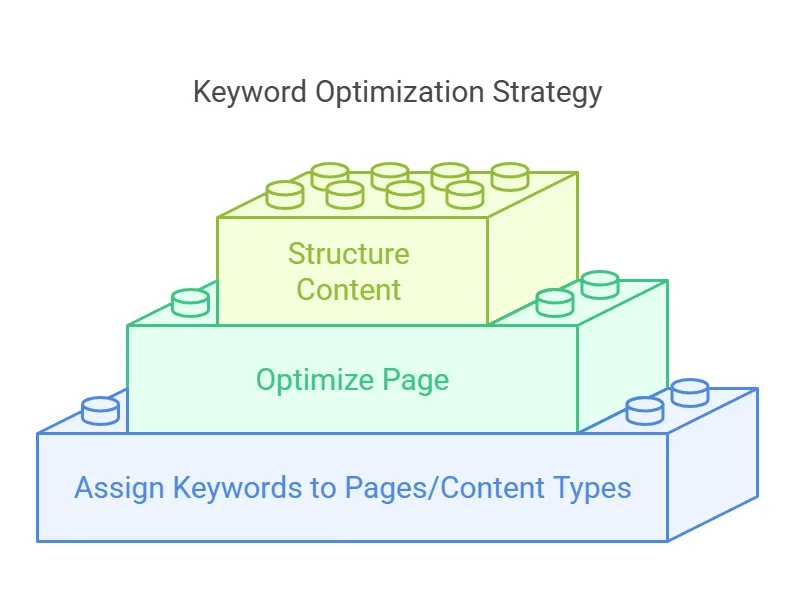
→ Product pages: keywords with clear buying intent.
→ Blog posts: keywords suited for informative or how-to content.
→ Pillar pages: broad keywords for in-depth topic coverage.
→ Resource hubs: combined related keywords for comprehensive guides.
Organizing keywords this way makes your site’s structure and value clear to both users and search engines. Once assigned, optimize each page with clear, engaging titles and meta descriptions that include primary and related keywords, and use H1/H2/H3 headings to structure content for readability.
10. Track Your Positioning
Once your strategy is live, keep an eye on how it performs. Watch:
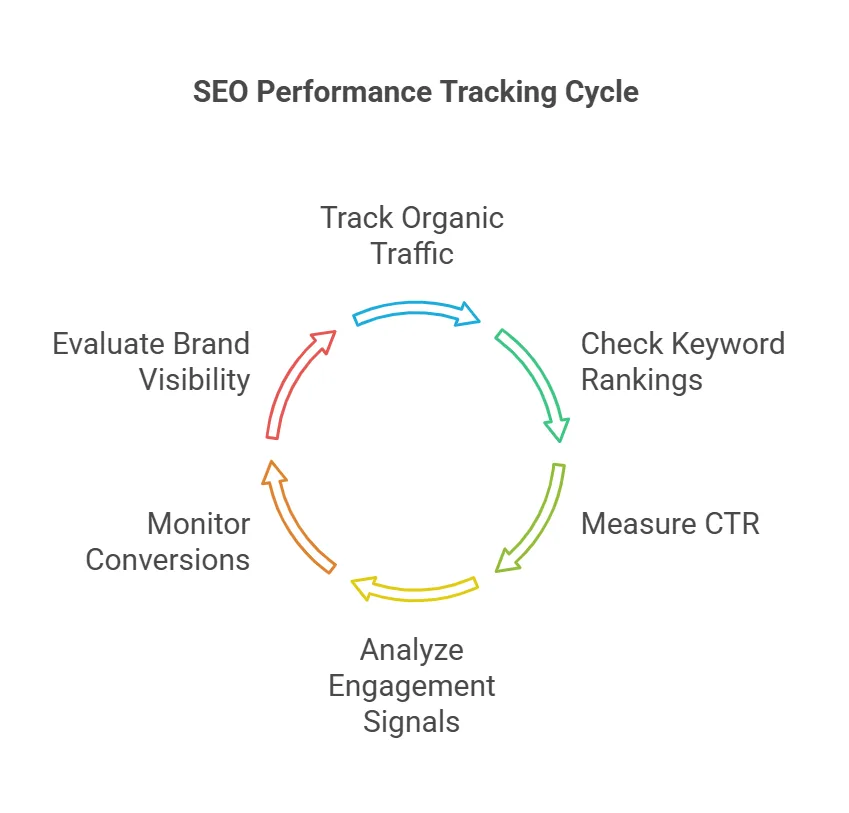
↳ Organic traffic: how many people find your site through search. A steady increase means your keywords and content are working.
↳ Keyword rankings: where your pages rank for target keywords. Higher rankings mean more potential visitors.
↳ Click-through rate (CTR): how many searchers click your page. High CTR signals your titles and descriptions are working.
↳ Engagement signals: time on page, pages viewed, bounce rate. Positive signals mean your content actually meets user needs.
↳ Conversions: sign-ups, purchases, form submissions, proof your keywords are bringing the right audience.
↳ Brand visibility: how often your brand appears in results compared to competitors. More visibility builds trust and recognition.
Google Search Console is the tool I’d suggest for tracking all of this.
Check Off All Your Keyword Research Tasks
That’s it. Follow these steps and you’ll have a solid SEO strategy whether you’re running an e-commerce store, a SaaS site, a blog, or even a YouTube channel.
Keep an eye on rankings over time. If a keyword slips, refresh the content or try a new angle. Test different placements, headings, and page structures to see what actually moves the needle.
Frequently Asked Questions
What are the 5 steps to be followed during keyword research?
Find topics relevant to your business, generate keywords with a tool like Google Keyword Planner, analyze competition (keyword difficulty and competitor rankings), check search intent alignment, then prioritize and use the highest-value keywords in your content.
How do you list keywords in research?
List them by category (topics, long-tail, short-tail), search intent (informational, transactional), and priority (high, medium, low competition). Collect data with a keyword research tool, then organize everything in a spreadsheet with volume, KD, and ranking potential.
What is the local SEO checklist for 2025?
A fully optimized Google Business Profile, local keywords with city or state terms, consistent NAP (name, address, phone) everywhere, local directory citations, active review management, a mobile-friendly fast-loading site, and localized blog content.
What are the 3 steps to keyword searching?
Find seed keywords related to your business, expand and analyze them with a tool like Ahrefs or Semrush to check competition, then select and optimize, working the best keywords into content, meta tags, and URLs.
How to check SEO keywords?
Use Google Search Console to see what keywords your site ranks for, Google Analytics for traffic sources, and tools like Ahrefs, Semrush, or Ubersuggest for rankings, volume, and competition. A manual Google search also shows how your content actually appears.
How to identify key concepts in research?
Read the main topic and highlight important terms, look for recurring words across sources, use mind maps to break complex ideas into smaller parts, and lean on tools like Google Scholar or academic databases to surface related concepts.
How can I research keywords fast?
Use AI tools like ChatGPT alongside Ahrefs or Semrush to generate ideas quickly. Check Google Autocomplete and People Also Ask for fast insight, analyze competitor keywords, and filter by volume, difficulty, and intent to zero in on the best options.
What is KD in keyword research?
Keyword Difficulty, a score showing how hard it is to rank for a term, based on competitor strength, backlinks, and content quality. Lower KD means an easier path to ranking. Tools like Ahrefs and Semrush both provide a KD score.
What is the shortcut for keyword research?
Google Autocomplete, People Also Ask, and Keyword Planner for fast insight, competitor analysis with Ahrefs or Semrush, and AI tools like ChatGPT for quick topic expansion. Focus on low-competition, high-intent keywords for the fastest wins.
How to identify keywords?
Start with words describing your topic, use Google Keyword Planner, Ahrefs, or Semrush for ideas, check competitor content for recurring terms, and scan Google Autocomplete and Related Searches for variations. Prioritize by volume and difficulty.
How do I create a list of keywords?
Brainstorm main topics relevant to your business, expand with keyword tools, organize by search intent (informational, navigational, transactional), group by difficulty and volume, and store everything in a spreadsheet for tracking and prioritization.