



Most websites chase the same broad keywords and get lost in the noise.
It’s because they target generic terms while competing with industry giants that have dominated those results for years.
Niche keywords are the shortcut around that. Carve out your own space by targeting the exact searches your ideal audience is making. Here’s my framework for finding niche SEO keywords that are genuinely relevant, low-competition, and realistic to rank for.
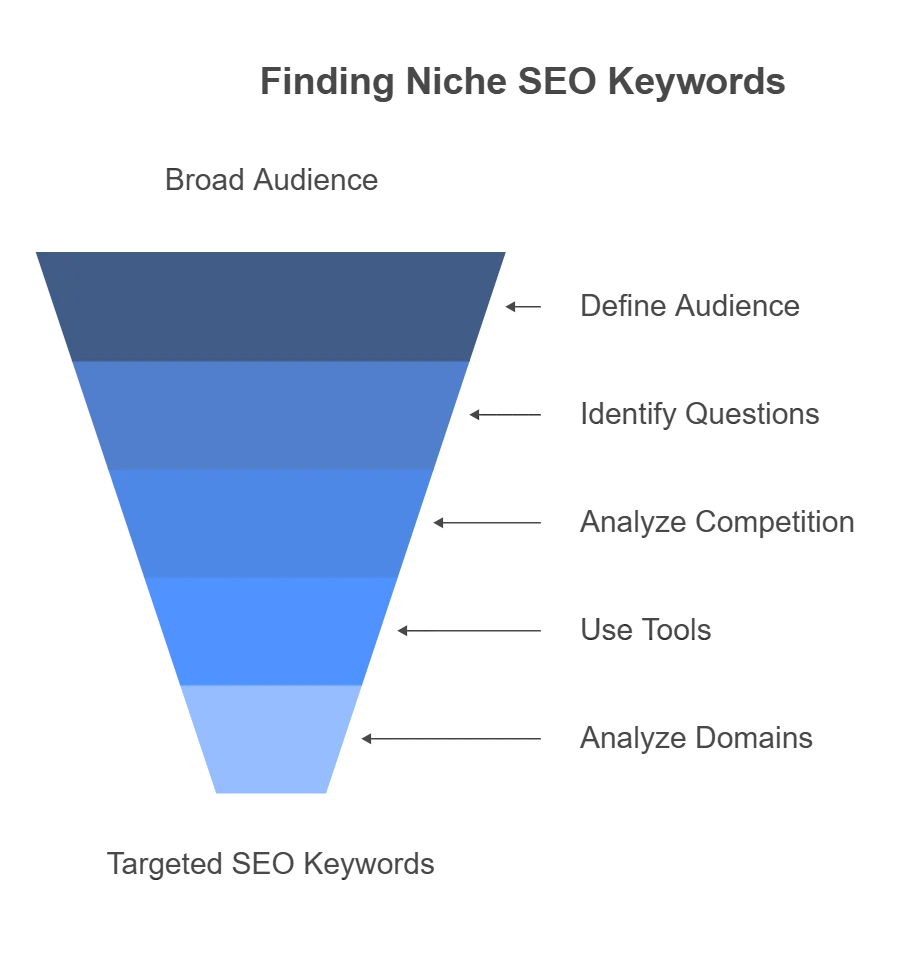
1. Define Your Niche Target Audience
To connect with the right people using the right keywords, first nail down your ideal customer and the pain points that drive them to search.
a. Identify pain points. Ask yourself what problem your product or service solves, then write down the exact words customers might use to describe their challenges. If your customers struggle to find eco-friendly home cleaning products, they might search “natural cleaning products under $20” or “affordable reusable kitchen towels.”
b. Refine user intent. Intent reveals the purpose behind a search and helps you attract more relevant traffic. Broad keywords like “running shoes” don’t work nearly as well as intent-focused ones like “best running shoes for beginners with flat feet.”
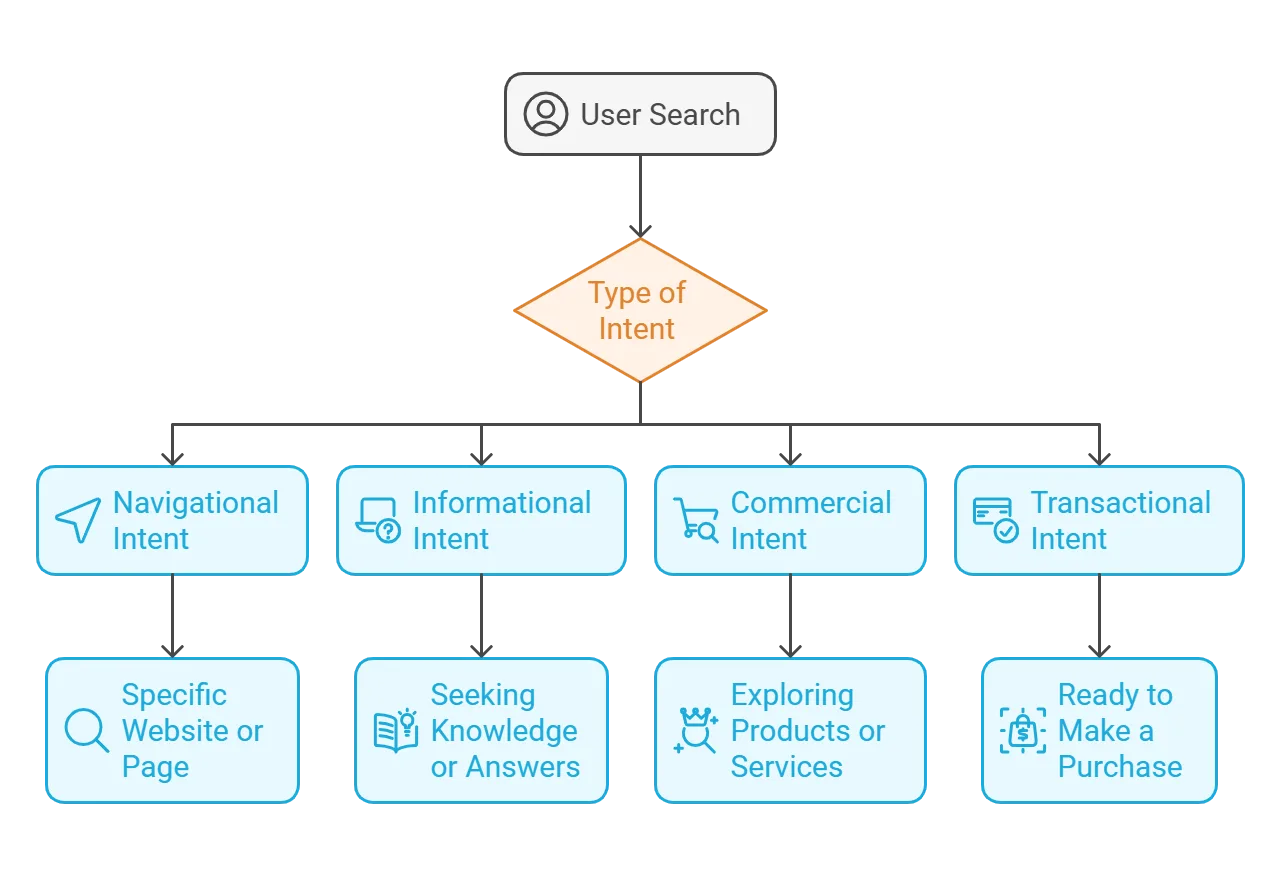
There are four main search intents:
Navigational. Users want a specific site or page. “Nike website,” “Facebook login,” “Amazon homepage.”
Informational. Users want knowledge or answers. “What is SEO?”, “what is a soccer midfielder?”, “how to bake sourdough bread?”, “tips for saving money on groceries.”
Commercial. Users are exploring options. “Top smartphones under $500,” “best laptops for gaming,” “luxury hotels in Paris.”
Transactional. Users are ready to buy. “Order AirPods Pro,” “cheap flights to New York,” “buy organic skincare products.”
If I’m building a site around commercial intent, I’d start with something like “best laptops for gaming,” then narrow it down further:
→ Top gaming laptops for beginners under $1500
→ Best laptops for gaming with long battery life
→ Affordable gaming laptops for casual gamers
→ Best budget laptops for gaming under $1000
→ Best compact gaming laptops for travel
→ Best lightweight laptops for gaming
Targeting users who are already weighing their options, closer to a purchase, brings in an audience more likely to convert.
Pro tip: build personas (demographics, interests, behaviors) for your niche. It keeps your keyword list grounded in your audience’s actual language.
2. Look for Common Questions in Your Niche
Next, find the long-tail questions people are asking. Answering these builds trust and authority while pulling in genuinely interested visitors.
Say I’m considering a blog about soccer but I’m not sure it’s worth exploring. First, I’d check the informational phrases and questions floating around that niche, using sources like:
→ Google’s search features: Autocomplete, PAA, Related Searches
→ Question-based forums: Quora, Reddit, or niche community forums
→ Keyword research tools: Semrush, Ahrefs, Google Keyword Planner
→ Competitor blogs in the niche, to see which topics already perform well
I personally lean on Google’s Autocomplete and Related Searches, plus Quora and Reddit, early on, then expand with dedicated tools later.
Googling “soccer” and checking autocomplete:
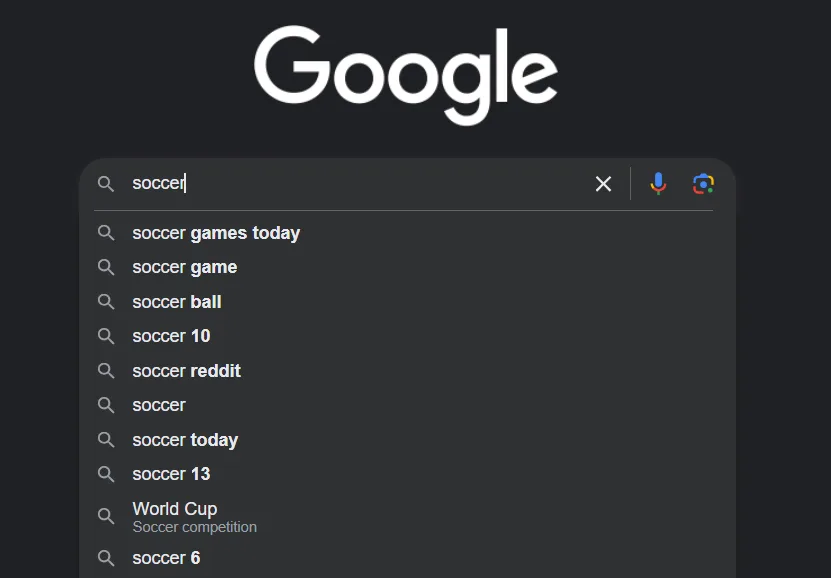
Good for a scores-and-schedules site, but not quite what I’m after here. Checking People Also Ask instead:
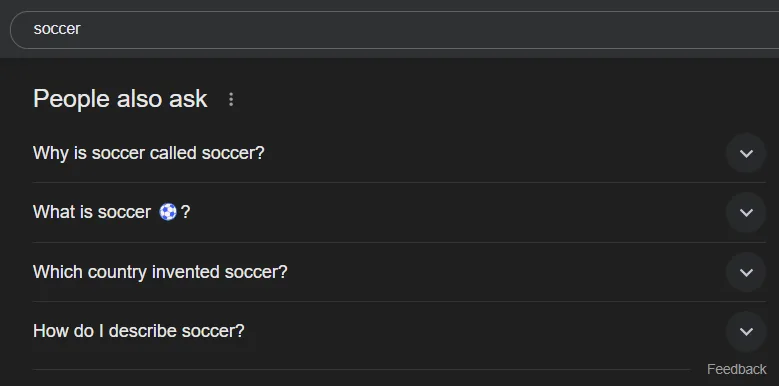
Now we’re getting somewhere, people are asking “what is soccer?” and “why is soccer called soccer?” Broad questions, but a solid starting point for narrowing down blog topics.
A trick I use constantly: click into a PAA question and the list expands with three or four new ones. Keep doing that and you’ll surface some genuinely useful starters.
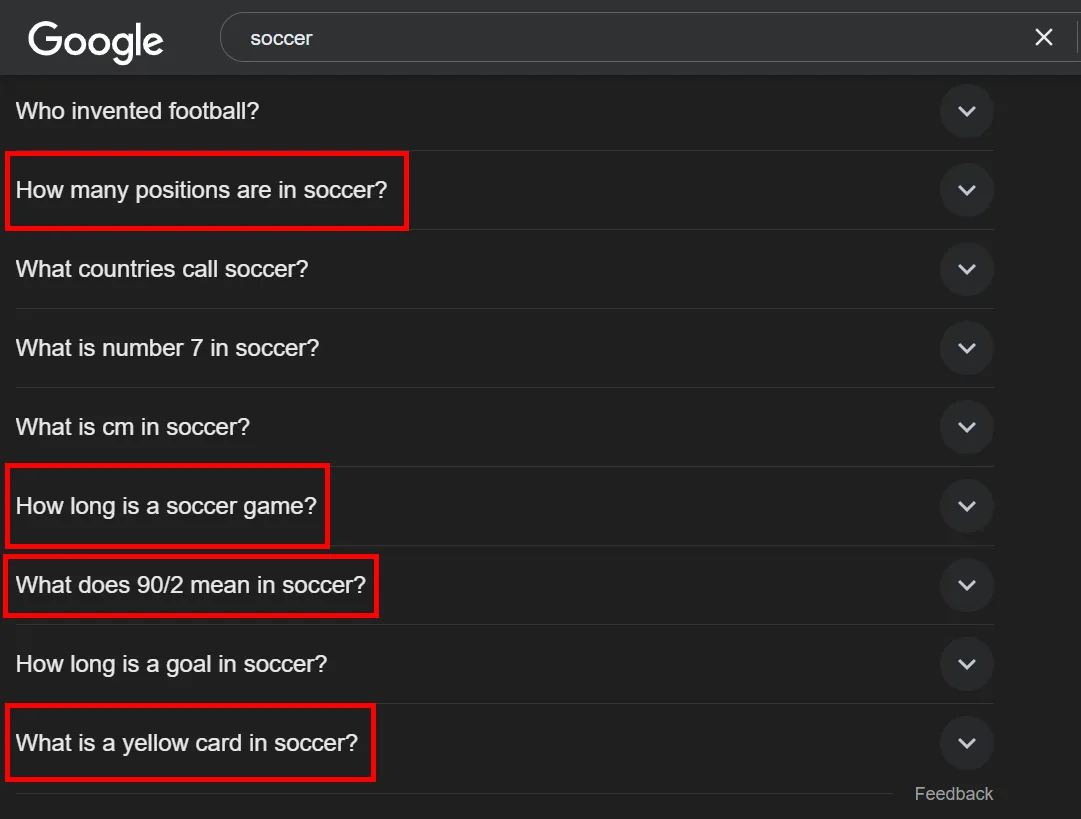
Beyond PAA, Reddit, Quora, and specialized forums surface unfiltered questions from people actually in your niche. A mattress brand catering to college students might see repeated questions like “what is the best budget-friendly mattress for dorm rooms?” Pinterest, TikTok, and YouTube comments and hashtags are worth checking too.
Pro tip: don’t overlook voice search queries. People phrase things differently when speaking, “what’s the best vegan mascara under $20?”, and with smart speakers everywhere, voice-friendly keywords matter more than ever.
3. Check Out the Competition
By this point I’ve got the niche, some common queries, and my target audience. Next: what does the competitor landscape actually look like?
Google one of the questions you found, “how many positions are in soccer?” in my case, and study the results. If smaller affiliate or informational sites rank in the top five, that’s a strong sign the niche isn’t too crowded, and you’d have a real shot.
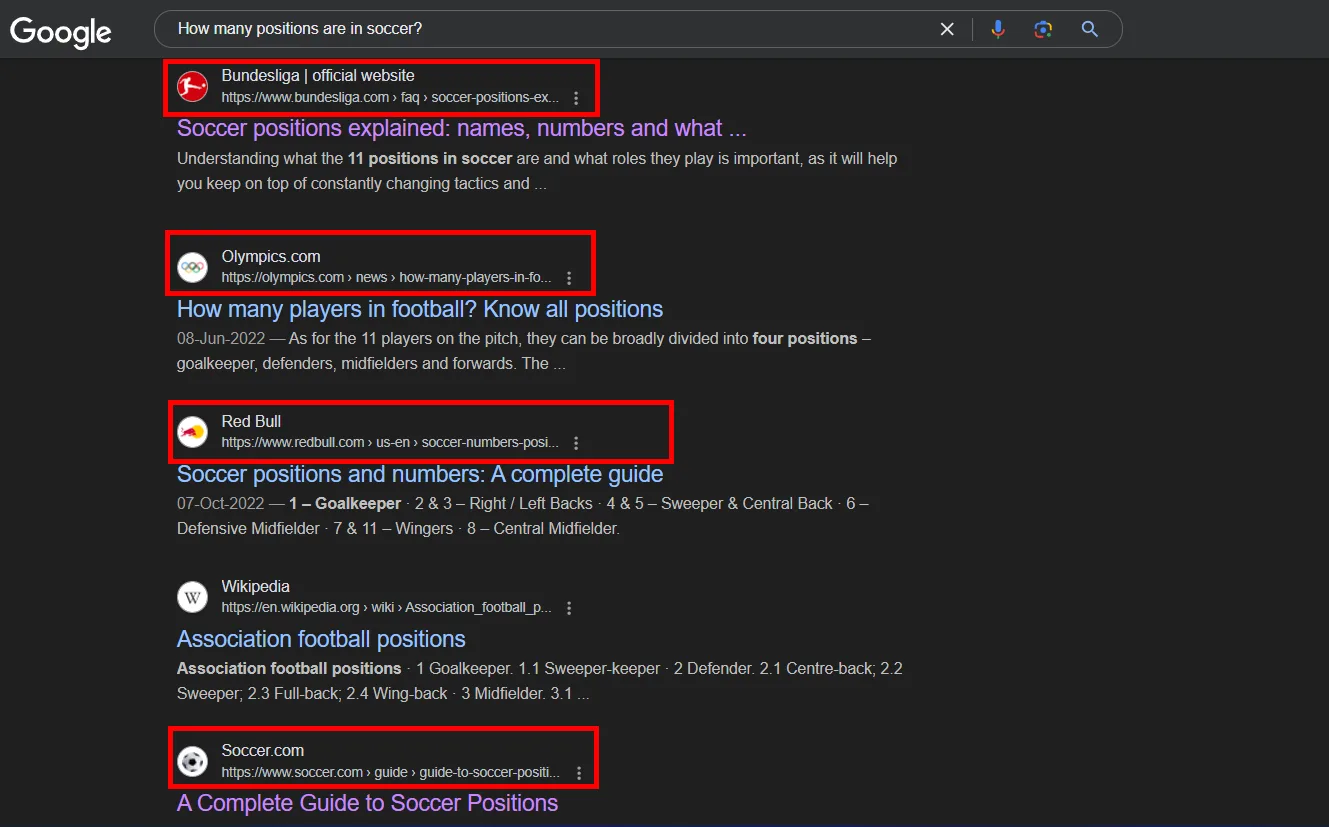
When I searched that phrase, the results were dominated by big players like soccer.com and major sports league sites, a red flag. If the top spots had been smaller informational or niche sites, this would’ve looked promising. With giants like olympics.com in the mix instead, starting a niche explainer site here isn’t the smartest move right now. Still, I’ll keep using soccer as the running example below.
How to Really Know If a Keyword Is Easy to Rank For
When analyzing SERPs, look for these ranking gaps, they’re your actual advantage:
☑ Missing exact-match keywords in titles. If top-ranking pages don’t use the exact phrase in their titles, Google might favor an article that does.
☑ Short content (under 1,000 words). If competitors are thin, a detailed 1,500 to 2,000 word post gives you an edge.
☑ Outdated content. If top results are 2+ years old, an updated take can help you rank faster.
☑ Poor readability. Dense paragraphs and jargon-heavy competitors mean a clearer, better-structured article improves your odds.
☑ Slow-loading pages. Run competitor URLs through PageSpeed Insights, a slow page means Google may favor a faster one.
☑ Non-optimized URLs. If competitor URLs skip the exact keyword, a well-optimized URL on your end can help you edge them out.
This validates ranking difficulty based on real weaknesses, not just a keyword difficulty score.
“Kill a Keyword” Checklist: When to Drop a Keyword
Avoid keywords with one or more of these red flags:
☒ All top-ranking results are big brands (Amazon, Wikipedia, Forbes, etc.)
☒ Every top-ranking page has 1,000+ backlinks (too competitive)
☒ No smaller blogs or niche sites anywhere in the top 10
☒ Google mostly ranks product pages (bad fit for blog content)
☒ Low search volume paired with weak commercial intent
This saves you from sinking time into content for a keyword you were never realistically going to rank for.
4. Use Keyword Research Tools
Say you’ve found a few niche sites ranking well for soccer-related terms. Next, figure out how big the niche actually is. Doing this by hand would take forever, so I use Semrush’s Keyword Magic Tool.
Search a broad term like “soccer” and browse the related keywords and volumes.
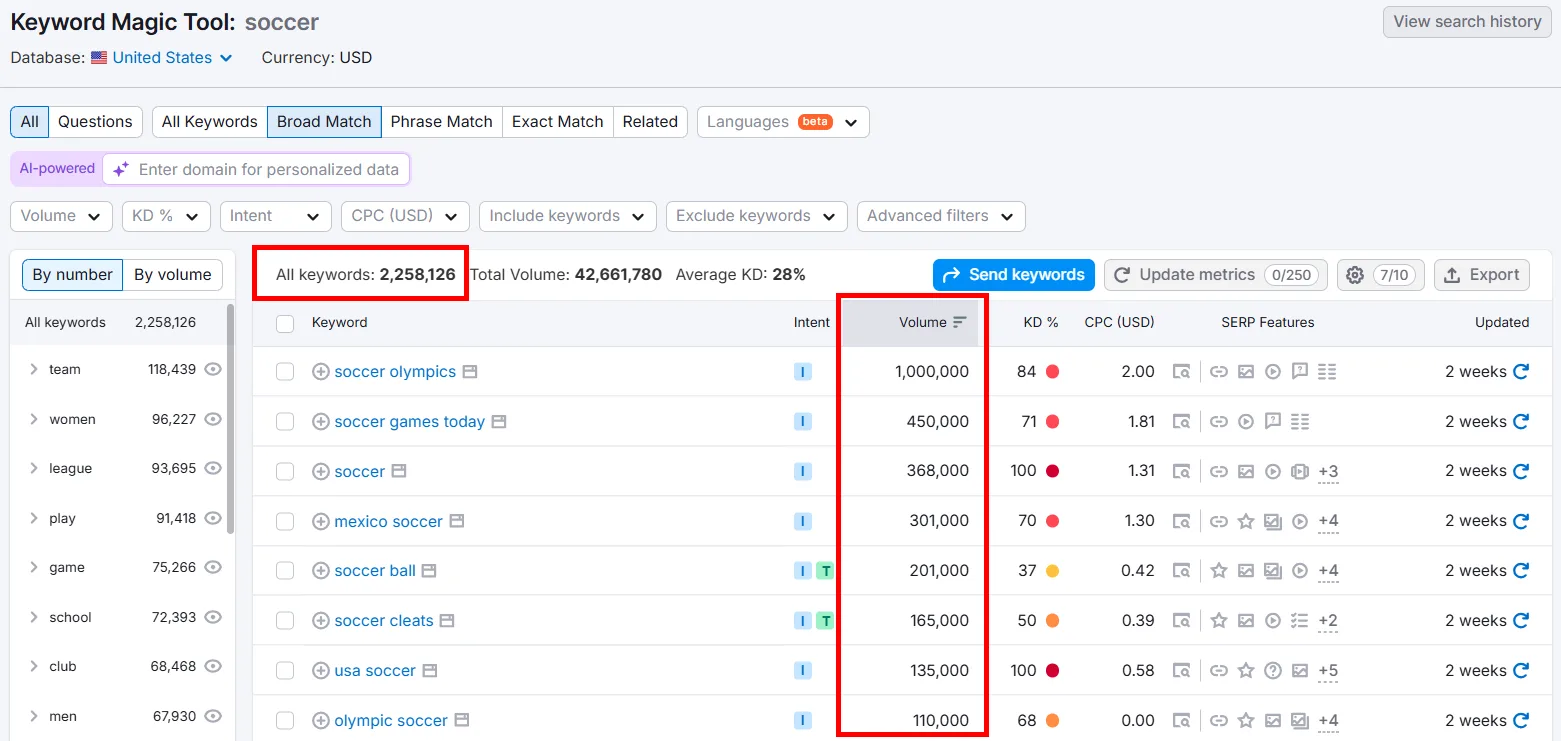
Filter by Questions to narrow things down.
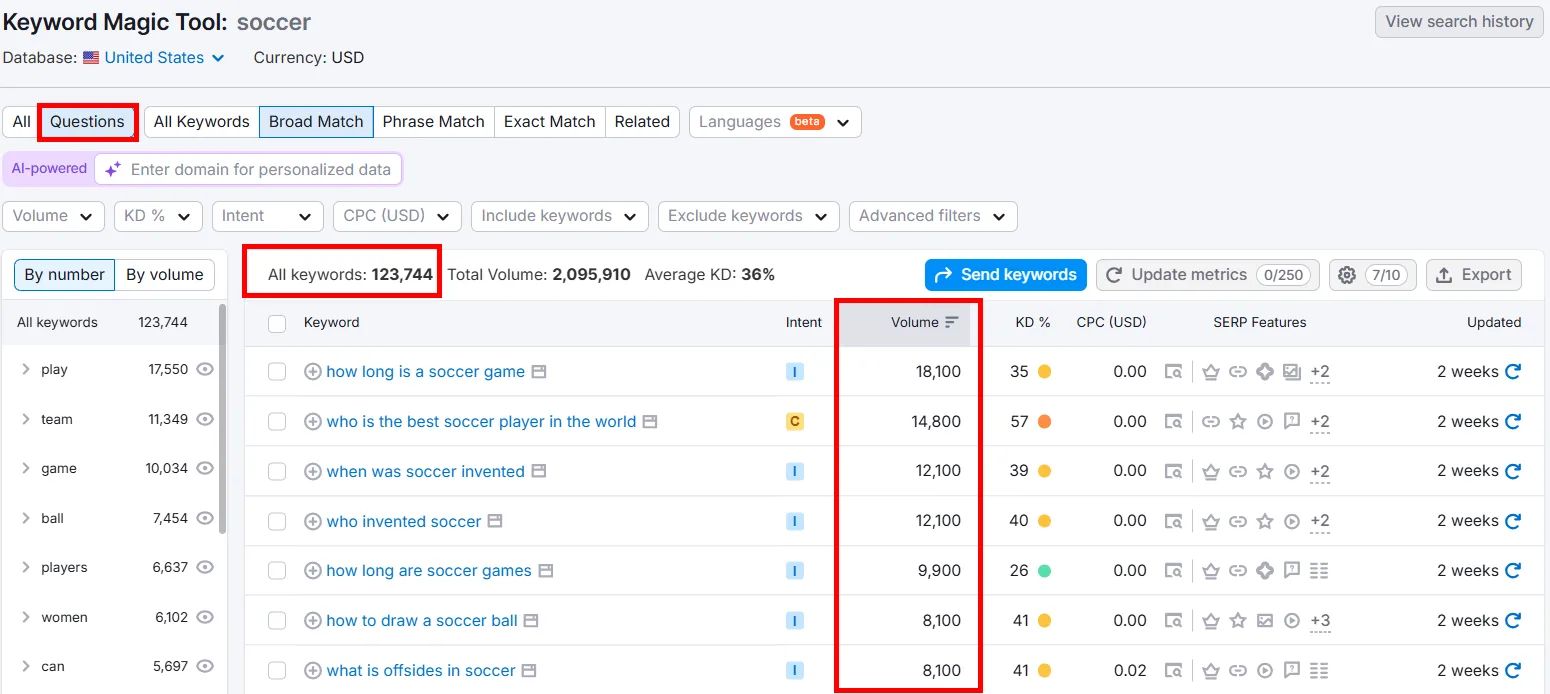
That alone dropped the total from over two million keywords to around 123K, still plenty of opportunity. Filter further by setting KD% to 50 or less: click the KD% dropdown, type your range into Custom range, and Apply.
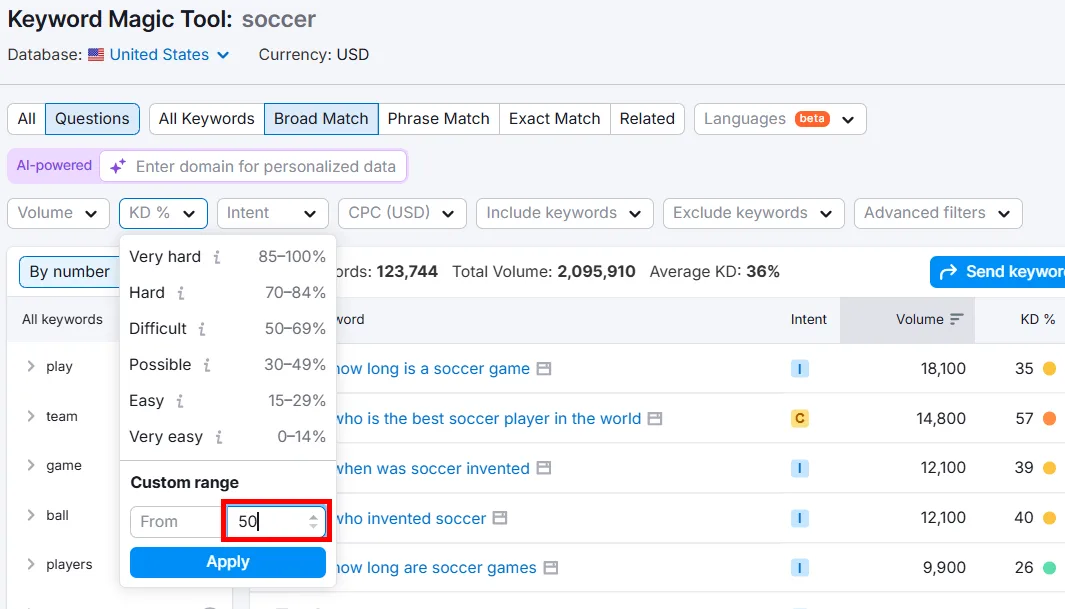
Now you’re looking at a much smaller, more realistic list.
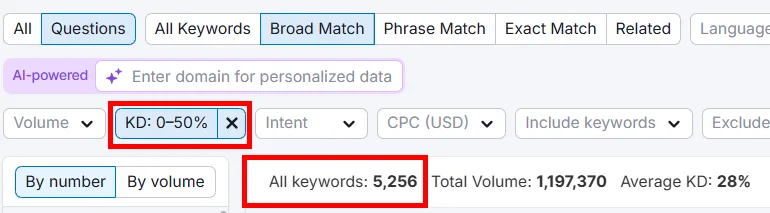
In my case, just over five thousand keywords, but with a substantial combined search volume. At this stage I focus on potential traffic. You’ll never capture 100% of it, but even a rough assumption, say 10%, still put this at around 120K monthly searches. Not bad for a starting point.
Scrolling through the list also turns up plenty of long-tail variations:
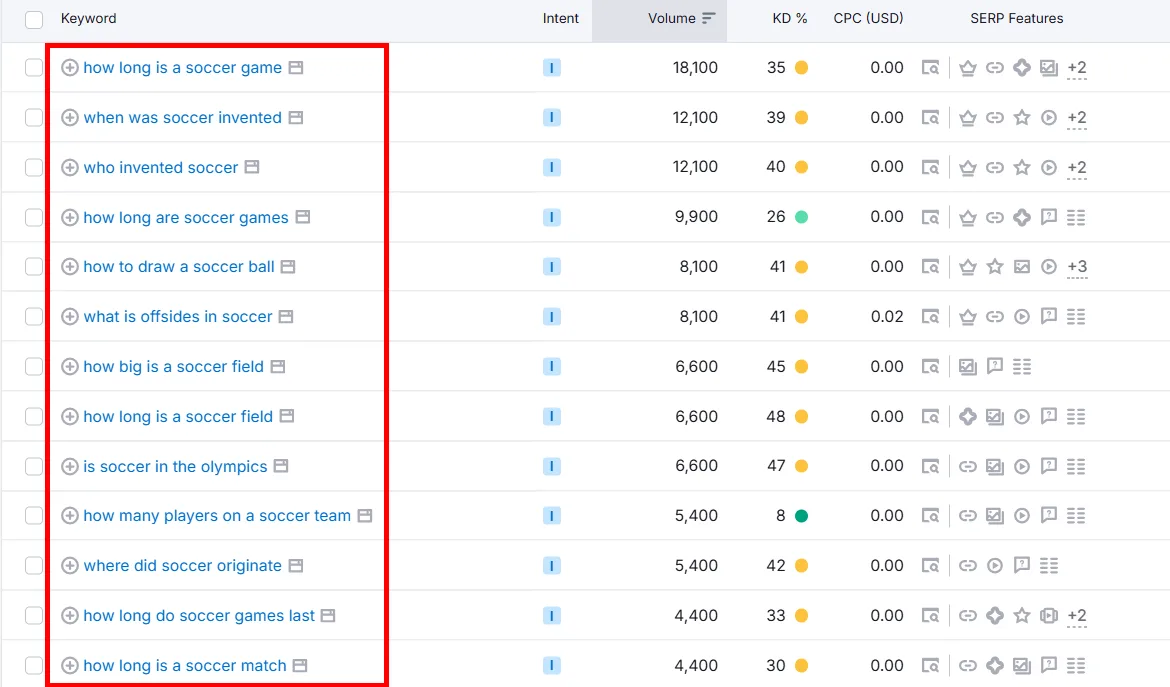
→ is soccer in the olympics
→ what is offsides in soccer
→ how long is a soccer game
→ how many players on a soccer team
These all sit under 50 KD with thousands of monthly searches, ranking in the top three for even a handful would drive real traffic.
Pro tip: mix free (Google Trends, AnswerThePublic) and premium (Ahrefs, Semrush) tools for a well-rounded view. Free tools give broad insight, paid tools fill in the crucial metrics like volume, difficulty, and competitive data.
5. Analyze the Competitor Domains
The top five results for my search terms weren’t blogs or informational sites, so I dug deeper and found a few more relevant domains worth analyzing in Semrush’s Domain Overview:
↳ ytpsports.com
↳ rookieroad.com
↳ soccermaniak.com
Enter the first domain. Here’s what came back for ytpsports.com:
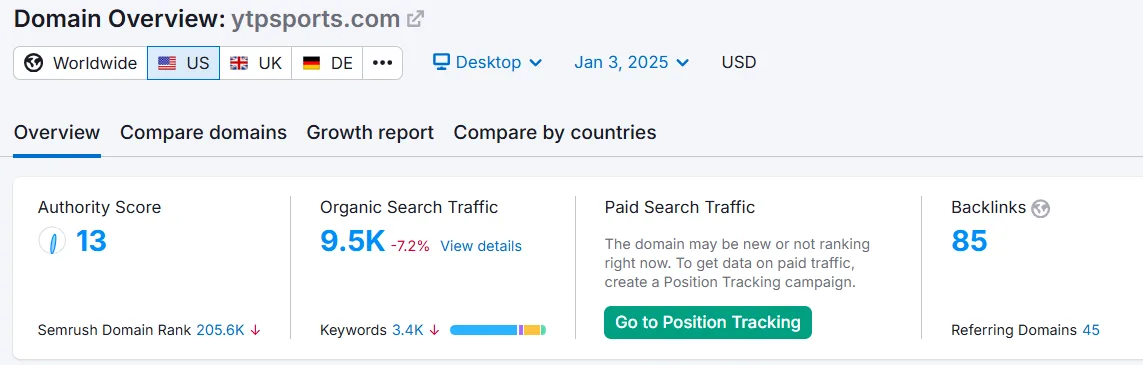
An authority score of 13, 9.5K in organic traffic, launched in 2024. Still new, but showing early promise with 45 referring domains already pointing to it. Steady growth in both traffic and backlinks hints there’s room in this niche.
To get a clearer picture, compare against other sites ranking for similar terms. Checking rookieroad.com next:
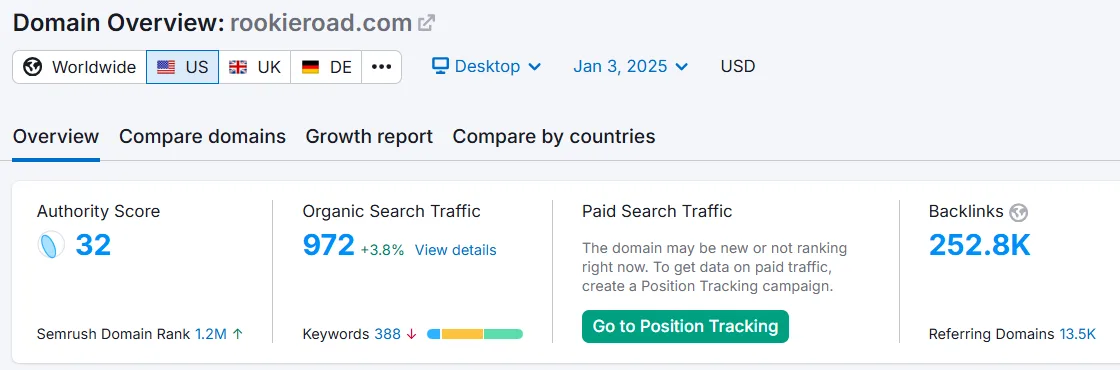
Authority score of 32, roughly 972 monthly visitors. Further confirmation, soccer looks like a promising niche with room for multiple sites to do well. Last, soccermaniak.com:
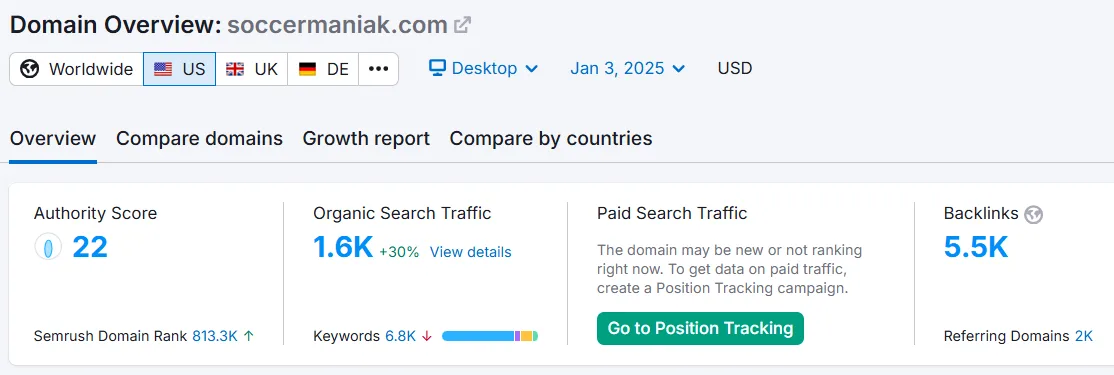
All three confirm the niche has real potential, and real competition alongside it, but clearly room to carve out a space with the right strategy.
So what do these numbers actually say? Based on the three sites analyzed, succeeding here would take a domain authority over 50 and a strong backlinking strategy. Most of these sites were built in the last couple of years and took time to gain traction, meaning success isn’t instant, it takes patience and sustained effort.
Realistically, competing here could take one to two years or more, more than I personally wanted to take on, but a real opportunity if you’re up for the challenge.
When evaluating any niche, ask:
→ How strong are the competitors?
→ How defensible are their current positions?
→ How big is the overall search opportunity?
Had these sites shown only a few hundred referring domains, I’d likely have jumped at it. After weighing authority scores, backlink profiles, and how long it took each site to gain traction, I passed on this one, hopefully a useful example of how to size up a niche quickly.
Find the Right Niche SEO Keywords to Rank For
Focus on specific, intent-driven keywords and you’ll attract targeted traffic, compete in less crowded spaces, and get more out of your SEO investment.
Trying to rank in a competitive industry as a small, local business? A few guides worth checking out:
↳ How to Do Local Keyword Research For Small Businesses
↳ How to Get Local Keyword Search Volumes by City
↳ Keyword Research Tips For Small Businesses
Frequently Asked Questions
What are niche SEO keywords?
Keywords that target a specific audience within a broader market, usually long-tail variations that attract highly relevant traffic while facing less competition than generic terms. Fewer sites optimize for them, so it’s easier to rank and pull in visitors actively searching for a precise solution.
How do I know if a niche keyword is truly easy to rank for?
Check for SERP weaknesses (are top pages outdated, short, or missing the exact keyword?), domain authority (do sites under DA 50 rank in the top 5?), backlinks (do top pages have fewer than 100?), search intent match (is Google ranking the content type you plan to create?), and competitor readability (are top pages poorly written?).
How can I find niche SEO keywords using Semrush?
Enter a broad niche keyword into the Keyword Magic Tool, set KD% under 50, apply the Questions filter for long-tail intent-driven queries, filter for keywords with 100+ monthly searches to confirm demand, then check SERP competition in Keyword Overview and refine using related keywords with low difficulty scores.
How do I validate search intent for a niche keyword?
Google it and see what ranks. Mostly blog posts means you can likely compete with a well-written article. Mostly product pages means it’s a poor fit for a blog but might work for an e-commerce page. Mixed results (forums, niche sites, smaller blogs) signal lower competition and real opportunity.
How can I refine a broad keyword into a hyper-specific, low-competition keyword?
Add modifiers targeting a niche audience, combine intent words (“best,” “affordable,” “for beginners”) with specific factors like budget or use case. Instead of “best gaming laptops,” try “best gaming laptops under $1000 with long battery life.” The more precise the keyword, the less competition and the more targeted the audience.
When should I avoid targeting a niche keyword?
Skip it if big brands dominate every top result, if all top-ranking pages have 1,000+ backlinks, if search intent doesn’t match your content plan, or if volume sits under 50 searches/month with no related keywords worth targeting instead.
How can I track whether my niche keyword remains easy to rank for?
Check every 2 to 3 months for new competitors entering the SERP, big brands starting to rank, or shifts in search intent, then refresh older posts with updated insights and related keywords to stay competitive.
Can I use niche keywords for both SEO and PPC campaigns?
Yes. For SEO, build long-form content around low-competition long-tail keywords. For PPC, target niche commercial keywords with low CPC to attract high-intent buyers at a lower cost.
How long does it take to rank for a niche keyword?
Depends on competition and domain authority. Low-competition keywords can rank within one to three months with a well-optimized article, medium-competition ones take three to six months, and high-competition terms can take six months or more, especially against strong backlink profiles.
How can I continuously discover new niche keyword opportunities?
Use Google Autocomplete for partial-phrase suggestions, check People Also Ask and People Also Search For for expanded questions, look at competitor blog categories for untapped sub-niches, and monitor keyword trends since seasonal terms open up new ranking opportunities every year.